
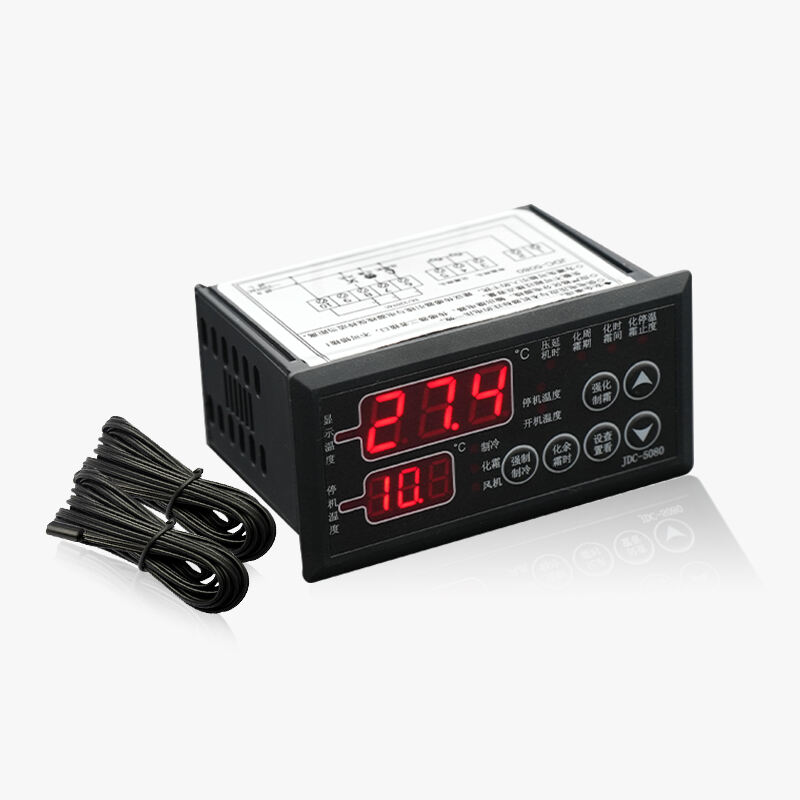
Installing a digital temperature controller properly is crucial for maintaining optimal temperature control in various industrial and commercial applications. Whether you're working with refrigeration systems, HVAC units, or specialized cooling equipment, understanding the correct installation procedures can mean the difference between efficient operation and costly system failures. A digital temperature controller serves as the brain of your temperature management system, providing precise control and monitoring capabilities that analog systems simply cannot match.
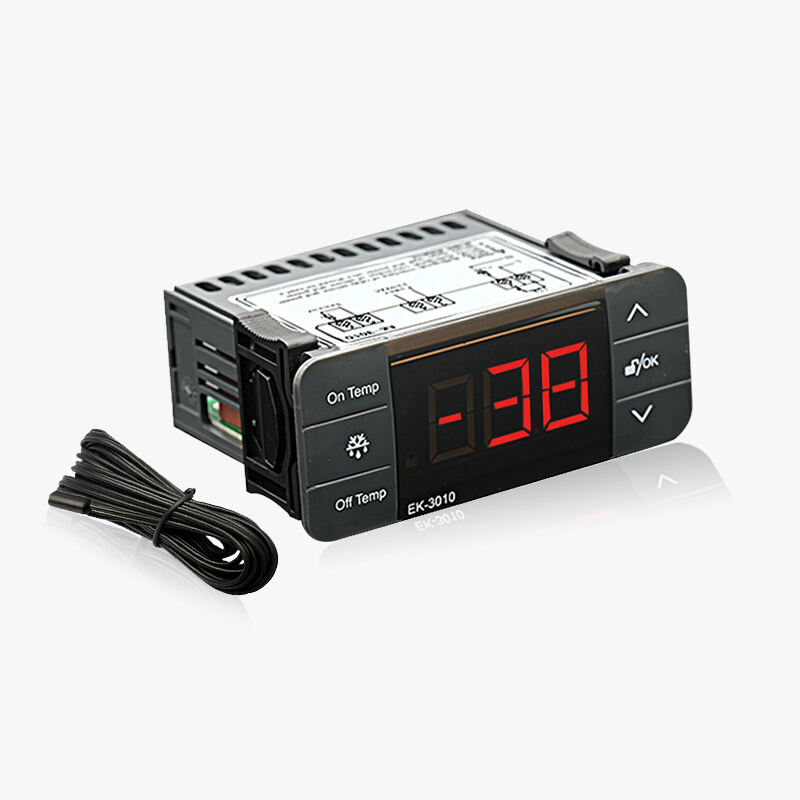
Modern temperature control systems rely heavily on sophisticated electronic components that require careful handling and precise installation techniques. The success of your digital temperature controller installation depends on factors such as proper electrical connections, appropriate sensor placement, and correct parameter configuration. Understanding these fundamentals will help you avoid common pitfalls that can lead to inaccurate readings, system instability, or equipment damage.
Pre-Installation Planning and Assessment
Site Evaluation and Requirements
Before beginning any digital temperature controller installation, conducting a thorough site evaluation is essential. Examine the existing electrical infrastructure to ensure it can support the new control system requirements. Most digital temperature controllers require stable power supplies with minimal voltage fluctuations, so verifying your electrical panel capacity and grounding systems becomes critical for long-term reliability.
Environmental factors also play a significant role in controller placement and performance. Consider ambient temperature ranges, humidity levels, and potential sources of electromagnetic interference that could affect your digital temperature controller operation. Locations near high-power motors, welding equipment, or radio transmitters may require additional shielding or alternative mounting positions to ensure accurate temperature readings and stable system performance.
Tool Preparation and Safety Considerations
Gathering the appropriate tools and safety equipment before starting your installation project saves time and reduces the risk of installation errors. Essential tools typically include wire strippers, multimeters, screwdrivers, drill bits, and cable management accessories. Having quality tools readily available prevents delays and ensures professional installation results that meet industry standards.
Safety protocols must be established and followed throughout the installation process. Turn off power to all circuits that will be connected to the digital temperature controller, and use lockout/tagout procedures to prevent accidental energization. Verify that all personnel involved in the installation understand proper electrical safety practices and have access to appropriate personal protective equipment.
Electrical Connection Procedures
Power Supply Wiring
Connecting power supply wiring correctly forms the foundation of any successful digital temperature controller installation. Most units operate on standard voltage levels such as 110V or 220V AC, though some specialized applications may require 24V DC power supplies. Always verify the voltage requirements specified in your controller documentation before making any electrical connections to prevent damage to sensitive electronic components.
Wire sizing and routing considerations become particularly important when dealing with longer cable runs or high-current applications. Use appropriately rated conductors that can handle the expected load while minimizing voltage drop across the connection. Proper cable management not only improves the professional appearance of your installation but also reduces the likelihood of electromagnetic interference affecting your digital temperature controller performance.
Sensor Integration and Calibration
Temperature sensor connections require special attention to detail since these inputs directly affect the accuracy and reliability of your control system. Most digital temperature controllers accept various sensor types including thermocouples, RTDs, and thermistors, each with specific wiring requirements and calibration procedures. Matching the sensor type to your application requirements ensures optimal measurement accuracy across your expected temperature range.
Sensor placement location significantly impacts the effectiveness of your temperature control system. Position sensors in areas that provide representative temperature readings for the controlled environment while avoiding locations subject to air currents, direct heat sources, or mechanical vibration. Proper sensor mounting and cable routing protect these critical components from environmental damage while maintaining measurement accuracy over time.
Programming and Configuration
Initial Parameter Setup
Configuring your digital temperature controller parameters correctly ensures optimal system performance and energy efficiency. Begin by setting the basic operating parameters such as temperature units, sensor type selection, and control algorithm preferences. Most modern controllers offer multiple control modes including on/off, PID, and adaptive control options that can be tailored to your specific application requirements.
Alarm and safety settings provide crucial protection for your equipment and processes. Configure high and low temperature alarms with appropriate deadbands to prevent nuisance alarms while ensuring adequate protection against temperature excursions. Many digital temperature controller units also offer advanced features such as sensor failure detection and backup control modes that enhance system reliability.
Advanced Feature Configuration
Utilizing advanced features available in modern digital temperature controllers can significantly improve system performance and operational efficiency. Communication capabilities such as Modbus, RS-485, or Ethernet connectivity allow integration with building management systems or remote monitoring platforms. These features enable centralized control, data logging, and predictive maintenance capabilities that add value beyond basic temperature control.
Scheduling and setback functions help optimize energy consumption while maintaining necessary temperature conditions. Programming time-based temperature profiles or occupancy-based setpoints can reduce operating costs while extending equipment life. Understanding how to configure these advanced features expands the capabilities of your digital temperature controller installation and provides greater flexibility for future system modifications.
Testing and Commissioning
Functional Testing Procedures
Comprehensive testing procedures verify that your digital temperature controller installation meets design specifications and operates reliably under various conditions. Begin with basic functionality tests including power-up sequences, display operation, and manual control responses. These initial tests help identify obvious wiring errors or configuration problems before proceeding to more complex system integration testing.
Temperature accuracy verification requires careful comparison between controller readings and calibrated reference instruments. Use precision temperature sources or calibrated sensors to verify measurement accuracy across the expected operating range. Document any deviations and adjust calibration settings as necessary to achieve specified accuracy requirements for your digital temperature controller application.
System Integration Verification
Testing the complete system integration ensures that your digital temperature controller works effectively with other system components such as heating elements, cooling equipment, and safety devices. Verify that control outputs properly activate connected equipment and that feedback signals provide accurate status information. This comprehensive testing approach identifies potential interaction problems before the system enters regular operation.
Performance monitoring during initial operation provides valuable insights into system behavior and optimization opportunities. Monitor key parameters such as temperature stability, control response times, and energy consumption patterns to establish baseline performance metrics. This data helps identify when future maintenance or adjustments may be necessary to maintain optimal digital temperature controller performance.
Maintenance and Troubleshooting
Preventive Maintenance Protocols
Establishing regular maintenance schedules helps ensure long-term reliability and accuracy of your digital temperature controller system. Routine maintenance tasks include cleaning dust and debris from controller enclosures, checking electrical connections for tightness, and verifying sensor calibration accuracy. These simple maintenance procedures prevent many common problems and extend the operational life of your control system components.
Documentation and record keeping play crucial roles in effective maintenance programs. Maintain detailed records of installation parameters, calibration data, and any modifications made to your digital temperature controller configuration. This documentation proves invaluable for troubleshooting problems, planning upgrades, and ensuring consistent system operation over time.
Common Problem Diagnosis
Understanding common digital temperature controller problems and their solutions helps minimize downtime and repair costs. Temperature reading errors often result from sensor problems, wiring issues, or electromagnetic interference affecting measurement circuits. Systematic troubleshooting approaches help identify the root cause quickly and guide appropriate corrective actions.
Control stability problems may indicate improper PID parameter settings, mechanical issues with controlled equipment, or environmental factors affecting system performance. Analyzing trend data and system responses helps distinguish between controller configuration issues and external factors that may be affecting your digital temperature controller operation. Professional troubleshooting techniques ensure problems are resolved efficiently without unnecessary component replacement costs.
FAQ
What voltage requirements are typical for digital temperature controllers?
Most digital temperature controllers operate on standard AC voltages including 110V, 220V, or 240V, though some specialized units may require 24V DC power supplies. Always verify the specific voltage requirements listed in your controller documentation before making electrical connections. Using incorrect voltage can damage sensitive electronic components and void warranty coverage.
How do I choose the correct sensor type for my application?
Sensor selection depends on your temperature range, accuracy requirements, and environmental conditions. Thermocouples work well for high-temperature applications, RTDs provide excellent accuracy for moderate temperature ranges, and thermistors offer good sensitivity for lower temperature applications. Consider factors such as response time, durability, and cost when selecting sensors for your digital temperature controller installation.
What causes temperature reading fluctuations in digital controllers?
Temperature reading fluctuations can result from electromagnetic interference, poor electrical connections, sensor placement issues, or environmental factors such as air currents. Check sensor wiring for proper shielding, verify connection tightness, and ensure sensors are positioned in representative locations away from heat sources or air movement that could affect readings.
How often should I calibrate my digital temperature controller?
Calibration frequency depends on your accuracy requirements and operating environment, but annual calibration verification is typically recommended for most applications. Critical processes may require more frequent calibration checks, while less demanding applications might extend calibration intervals. Always follow manufacturer recommendations and applicable industry standards for your specific digital temperature controller application.