
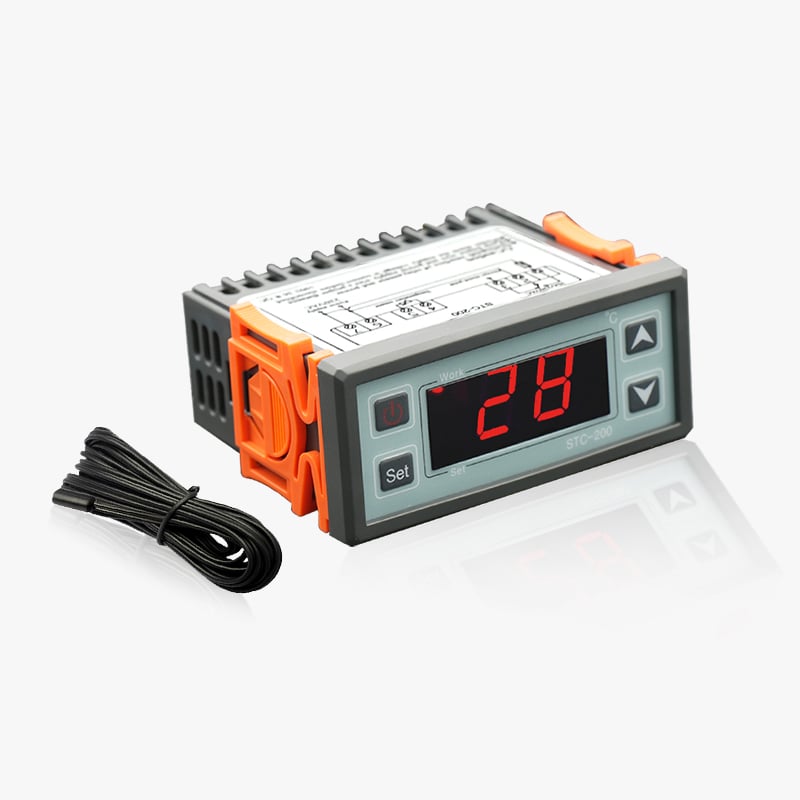
Modern industrial processes rely heavily on precise temperature management, making the digital temperature controller an indispensable component across manufacturing, HVAC, food processing, and laboratory environments. These sophisticated devices monitor and regulate temperatures with exceptional accuracy, ensuring optimal conditions for various applications. However, even the most reliable digital temperature controller systems can encounter operational challenges that disrupt productivity and compromise process integrity. Understanding common issues and their solutions empowers technicians and facility managers to maintain consistent performance and minimize costly downtime.
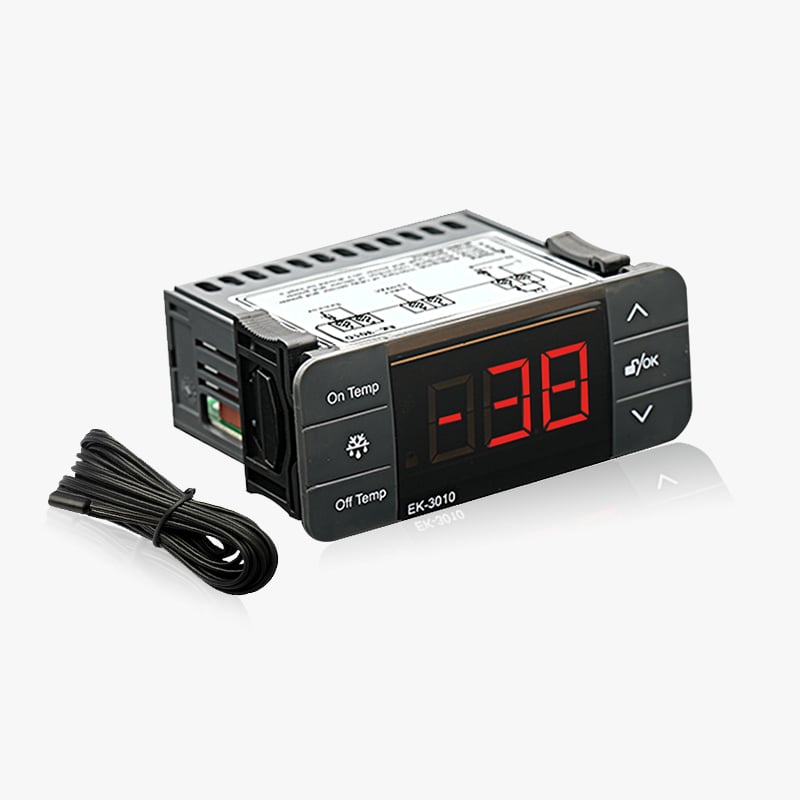
Temperature control failures can result in significant financial losses, particularly in industries where product quality depends on maintaining specific thermal conditions. From pharmaceutical manufacturing to food storage facilities, a malfunctioning digital temperature controller can compromise entire batches of products. This comprehensive guide examines the most frequently encountered problems affecting digital temperature controller performance and provides practical troubleshooting strategies that technical professionals can implement immediately.
Display and Interface Malfunctions
Blank or Flickering Display Issues
A blank or intermittently flickering display represents one of the most common digital temperature controller malfunctions that technicians encounter during routine maintenance inspections. This problem typically stems from power supply irregularities, internal component degradation, or environmental factors affecting the controller's electronic systems. When the display fails to show temperature readings or setpoint values, operators lose critical visibility into system performance, potentially leading to process deviations and quality control issues.
The root cause often involves insufficient voltage reaching the display module due to loose connections, corroded terminals, or aging power supply components within the digital temperature controller housing. Environmental conditions such as excessive humidity, temperature fluctuations, or electromagnetic interference can also contribute to display instability. Additionally, prolonged exposure to vibration in industrial environments may cause internal connections to become intermittent, resulting in sporadic display behavior that complicates troubleshooting efforts.
Effective resolution begins with systematic power supply verification using calibrated multimeters to measure voltage levels at critical connection points throughout the digital temperature controller circuitry. Technicians should inspect all wiring harnesses for signs of corrosion, mechanical damage, or thermal stress that might compromise electrical continuity. In many cases, cleaning oxidized terminals and securing loose connections restores normal display functionality without requiring component replacement or extensive repairs.
Unresponsive Touch Panel Controls
Modern digital temperature controller units frequently incorporate touch-sensitive interfaces that enhance user interaction but can become unresponsive due to various technical factors. Touch panel malfunctions manifest as delayed responses to operator inputs, incorrect parameter changes, or complete failure to register touch commands during critical adjustment procedures. These issues significantly impact operational efficiency and may force operators to rely on backup control methods or manual overrides.
Surface contamination represents the primary cause of touch panel responsiveness problems in industrial digital temperature controller applications. Accumulated dust, oil residues, cleaning chemicals, or moisture can interfere with capacitive touch sensing mechanisms, creating false readings or preventing accurate input detection. Additionally, calibration drift over time may cause the touch interface to misinterpret operator intentions, leading to incorrect parameter adjustments that affect temperature control accuracy.
Systematic cleaning procedures using appropriate solvents and lint-free materials typically restore touch panel functionality in most digital temperature controller systems. Technicians should follow manufacturer-specified cleaning protocols to avoid damaging sensitive touch sensors or protective coatings. Regular calibration procedures, performed according to recommended maintenance schedules, help prevent drift-related issues and maintain optimal touch interface performance throughout the controller's operational lifespan.
Temperature Reading Inaccuracies
Sensor Calibration Drift
Accurate temperature measurement forms the foundation of effective digital temperature controller operation, making sensor calibration drift a critical concern for process engineers and maintenance technicians. Over time, temperature sensors experience gradual changes in their electrical characteristics due to thermal cycling, mechanical stress, chemical exposure, and normal aging processes. This calibration drift causes the digital temperature controller to receive incorrect temperature signals, resulting in poor control accuracy and potential process deviations.
Thermocouple sensors, commonly used with digital temperature controller systems, are particularly susceptible to calibration drift caused by metallurgical changes in the junction materials. High-temperature applications accelerate these changes, while corrosive environments can alter sensor characteristics unpredictably. Resistance temperature detectors (RTDs) used in precision digital temperature controller applications may also experience drift due to mechanical strain, contamination, or changes in the platinum element's purity over extended service periods.
Implementing regular calibration verification procedures helps identify sensor drift before it significantly impacts process control quality. Technicians should use certified reference standards to compare actual temperatures with digital temperature controller readings at multiple points across the operating range. When drift exceeds acceptable tolerances, sensor replacement or professional recalibration becomes necessary to restore measurement accuracy and maintain process integrity.
Signal Interference and Noise
Electrical noise and signal interference can severely compromise the accuracy of temperature measurements in digital temperature controller systems, particularly in industrial environments with heavy electrical equipment, variable frequency drives, and switching power supplies. These electromagnetic disturbances can introduce erratic readings, cause temperature oscillations, or create false alarms that disrupt normal operations and reduce system reliability.
Common sources of interference affecting digital temperature controller performance include nearby motor drives, welding equipment, radio transmitters, and improperly grounded electrical systems. Poor cable routing practices, such as running sensor wires parallel to power cables or through areas with high electromagnetic activity, can also introduce unwanted signals into the temperature measurement circuits. Additionally, damaged or degraded cable shielding may allow external noise to penetrate sensor circuits and corrupt temperature data.
Effective noise mitigation strategies include implementing proper cable shielding, maintaining adequate separation between signal and power cables, and ensuring comprehensive system grounding throughout the digital temperature controller installation. Installing signal filters, using twisted-pair wiring configurations, and employing differential input modes can further reduce susceptibility to electromagnetic interference and improve measurement reliability in challenging industrial environments.
Control Output Failures
Relay Contact Degradation
Relay outputs in digital temperature controller systems serve as the primary interface between electronic control logic and external heating or cooling equipment. These electromechanical components endure thousands of switching cycles during normal operation, gradually developing contact wear, oxidation, and thermal damage that can lead to control failures. When relay contacts deteriorate, the digital temperature controller may lose its ability to activate connected equipment, resulting in temperature deviations and potential process disruptions.
High inductive loads, such as contactors and solenoid valves commonly controlled by digital temperature controller outputs, generate significant electrical arcing during switching operations. This arcing gradually erodes relay contact surfaces, increases contact resistance, and may eventually cause complete contact failure. Additionally, frequent cycling in applications with tight temperature tolerances accelerates relay wear and reduces the expected service life of output components within the digital temperature controller assembly.
Preventive maintenance programs should include regular relay contact inspection and resistance measurements to identify degradation before complete failure occurs. Implementing appropriate arc suppression techniques, such as snubber circuits or solid-state relay alternatives, can significantly extend relay life in demanding digital temperature controller applications. When relay replacement becomes necessary, selecting components with appropriate voltage and current ratings ensures reliable long-term performance.
Output Signal Anomalies
Analog and digital output signals from digital temperature controller systems occasionally exhibit irregular behavior that affects connected equipment performance and overall system stability. These anomalies may manifest as signal dropouts, incorrect voltage or current levels, timing irregularities, or complete output failure during critical control periods. Such problems can cause erratic operation of heating elements, cooling systems, or other process equipment dependent on accurate control signals.
Internal circuit malfunctions within the digital temperature controller's output stages often contribute to signal anomalies, particularly in units subjected to electrical transients, temperature extremes, or mechanical shock. Component aging, solder joint failures, and circuit board contamination can also create intermittent output problems that are difficult to diagnose and reproduce consistently. External factors such as wiring faults, connector corrosion, or load impedance changes may further complicate troubleshooting efforts.
Systematic signal analysis using oscilloscopes and signal analyzers helps identify the source and characteristics of output anomalies in digital temperature controller systems. Technicians should verify output signal integrity at multiple points throughout the control circuit, from the controller terminals to the final load connections. Implementing proper signal conditioning, using high-quality connectors, and maintaining clean circuit board environments help prevent many output-related problems from developing.
Communication and Network Issues
Protocol Communication Failures
Modern digital temperature controller systems increasingly rely on industrial communication protocols such as Modbus, Profibus, or Ethernet-based networks to integrate with supervisory control systems and plant-wide automation infrastructure. Communication failures can isolate controllers from central monitoring systems, preventing remote parameter adjustment, data logging, and alarm notification functions that are essential for efficient facility operations.
Network configuration errors represent a significant source of communication problems in digital temperature controller installations, particularly during initial system commissioning or network expansion projects. Incorrect addressing, mismatched baud rates, improper termination resistors, and incompatible protocol versions can prevent reliable data exchange between controllers and host systems. Additionally, cable quality issues, connector problems, or electromagnetic interference may cause intermittent communication failures that are challenging to diagnose and resolve.
Troubleshooting communication issues requires systematic verification of network parameters, cable integrity, and protocol compatibility throughout the digital temperature controller network infrastructure. Network analysis tools can help identify signal quality problems, timing issues, or addressing conflicts that affect system performance. Implementing proper network documentation, standardized configuration procedures, and regular communication testing helps maintain reliable connectivity in complex industrial environments.
Data Transmission Errors
Corrupted or missing data transmissions between digital temperature controller units and supervisory systems can compromise process monitoring, historical data collection, and automated response capabilities. These errors may result from electrical noise, network congestion, hardware malfunctions, or software compatibility issues that affect the integrity of transmitted temperature and status information.
Physical layer problems frequently contribute to data transmission errors in digital temperature controller networks, including damaged cables, loose connections, or inadequate signal levels caused by excessive cable lengths or improper network topology. Environmental factors such as temperature extremes, vibration, or moisture exposure can also degrade network hardware performance and introduce transmission errors that affect system reliability.
Error detection and correction mechanisms built into modern communication protocols help identify and recover from many transmission problems affecting digital temperature controller networks. However, persistent error patterns may indicate underlying hardware issues that require physical inspection and repair. Regular network performance monitoring, preventive cable maintenance, and environmental protection measures help minimize data transmission problems and maintain system integrity.
Power Supply and Electrical Problems
Voltage Fluctuation Sensitivity
Digital temperature controller systems require stable electrical power to maintain accurate operation and prevent component damage from voltage irregularities. Many controllers exhibit sensitivity to voltage fluctuations, brownout conditions, or power quality issues that are common in industrial electrical systems. These power-related problems can cause erratic behavior, measurement errors, or complete system shutdowns that disrupt temperature control processes.
Electrical infrastructure problems such as overloaded transformers, poor power factor correction, or inadequate electrical service can create voltage instability that affects digital temperature controller performance. Additionally, large motor starting currents, welding operations, or other high-power equipment operating on the same electrical circuit may cause transient voltage drops that trigger controller malfunctions or protective shutdowns.
Installing voltage regulation equipment, uninterruptible power supplies, or power conditioning systems can protect digital temperature controller installations from electrical disturbances and ensure consistent operation. Regular electrical system monitoring helps identify power quality problems before they cause equipment failures or process disruptions. Proper electrical design practices, including dedicated circuits for critical controllers, help minimize the impact of electrical disturbances on temperature control systems.
Grounding and Earth Fault Issues
Proper electrical grounding forms the foundation of safe and reliable digital temperature controller operation, providing protection against electrical faults, reducing electromagnetic interference, and ensuring accurate signal transmission. Grounding problems can manifest as measurement errors, communication failures, electrical shock hazards, or equipment damage that compromises system safety and performance.
Common grounding issues in digital temperature controller installations include inadequate ground connections, ground loops created by multiple ground paths, or corroded grounding conductors that increase electrical resistance. These problems can allow electrical noise to enter sensitive circuits, create potential differences between system components, or prevent proper operation of safety protection devices.
Systematic grounding system inspection and testing helps identify deficiencies that affect digital temperature controller performance and safety. Ground resistance measurements, continuity verification, and visual inspection of grounding connections should be performed regularly according to electrical safety standards. Implementing proper grounding design principles and maintaining clean, secure ground connections ensures reliable controller operation and personnel safety.
Environmental and Installation Factors
Temperature and Humidity Effects
Environmental conditions significantly impact digital temperature controller reliability and accuracy, particularly in installations subject to extreme temperatures, high humidity levels, or rapid environmental changes. These factors can cause condensation formation, component thermal stress, or accelerated aging that reduces controller lifespan and affects measurement precision.
High ambient temperatures can cause electronic components within digital temperature controller enclosures to operate beyond their design specifications, leading to thermal drift, component failure, or protective shutdowns. Conversely, extremely low temperatures may affect display visibility, button responsiveness, or internal component characteristics. Humidity-related problems include condensation formation on circuit boards, corrosion of electrical connections, or insulation breakdown that creates electrical faults.
Proper environmental protection through appropriate enclosure selection, ventilation design, and climate control helps maintain optimal operating conditions for digital temperature controller systems. Regular inspection for signs of environmental damage, such as corrosion or moisture intrusion, allows early intervention before serious problems develop. Implementing environmental monitoring and protection systems ensures long-term reliability in challenging installation conditions.
Vibration and Mechanical Stress
Industrial environments often subject digital temperature controller installations to mechanical vibration, shock, or physical stress that can cause connection failures, component damage, or premature wear. These mechanical factors are particularly problematic in applications involving rotating machinery, material handling equipment, or mobile installations where controllers experience continuous vibration exposure.
Vibration-induced problems in digital temperature controller systems typically affect connection integrity, circuit board solder joints, or mechanical components such as relays and switches. Over time, these mechanical stresses can create intermittent electrical connections, component misalignment, or complete mechanical failure that requires replacement or repair. Additionally, shock loads from equipment operation or accidental impact can cause immediate damage to sensitive electronic components.
Vibration isolation mounting systems, shock-absorbing materials, and robust mechanical design help protect digital temperature controller installations from environmental mechanical stress. Regular inspection of mounting hardware, connection tightness, and component condition helps identify developing problems before they cause system failures. Selecting controllers with appropriate vibration ratings and implementing proper installation practices ensures reliable operation in demanding mechanical environments.
FAQ
What causes a digital temperature controller to display incorrect temperature readings?
Incorrect temperature readings in digital temperature controller systems typically result from sensor calibration drift, damaged or contaminated sensors, wiring problems, or electrical interference. Thermocouple and RTD sensors gradually change their electrical characteristics over time due to thermal cycling, chemical exposure, or mechanical stress. Additionally, loose connections, corroded terminals, or electromagnetic interference from nearby equipment can corrupt temperature signals and cause inaccurate readings. Regular calibration verification and systematic troubleshooting help identify and resolve these measurement accuracy problems.
How often should digital temperature controller systems undergo preventive maintenance?
Digital temperature controller maintenance frequency depends on application criticality, environmental conditions, and manufacturer recommendations, but most systems benefit from quarterly visual inspections and annual comprehensive maintenance procedures. Critical applications may require monthly checks of key parameters, while less demanding installations might operate reliably with semi-annual maintenance intervals. Maintenance activities should include calibration verification, connection inspection, cleaning procedures, and performance testing to ensure continued reliability and accuracy throughout the controller's operational lifespan.
Can environmental factors permanently damage digital temperature controller components?
Yes, extreme environmental conditions can cause permanent damage to digital temperature controller components, particularly when exposure exceeds design specifications or occurs over extended periods. High temperatures can degrade electronic components and cause thermal stress failures, while excessive humidity may lead to corrosion, insulation breakdown, or circuit board contamination. Mechanical vibration can create solder joint failures or damage sensitive components, and electrical transients may cause immediate component destruction. Proper environmental protection and adherence to installation guidelines help prevent permanent damage from environmental factors.
What steps should be taken when a digital temperature controller completely fails to respond?
When a digital temperature controller becomes completely unresponsive, systematic troubleshooting should begin with power supply verification, including voltage measurements at the controller terminals and inspection of fuses or circuit breakers. Check all electrical connections for looseness, corrosion, or damage that might interrupt power or signal paths. If power supply integrity is confirmed, internal component failure may require professional diagnosis or controller replacement. Emergency backup procedures should be implemented immediately to maintain temperature control while troubleshooting efforts continue, ensuring process continuity and preventing product quality issues.
Table of Contents
- Display and Interface Malfunctions
- Temperature Reading Inaccuracies
- Control Output Failures
- Communication and Network Issues
- Power Supply and Electrical Problems
- Environmental and Installation Factors
-
FAQ
- What causes a digital temperature controller to display incorrect temperature readings?
- How often should digital temperature controller systems undergo preventive maintenance?
- Can environmental factors permanently damage digital temperature controller components?
- What steps should be taken when a digital temperature controller completely fails to respond?