
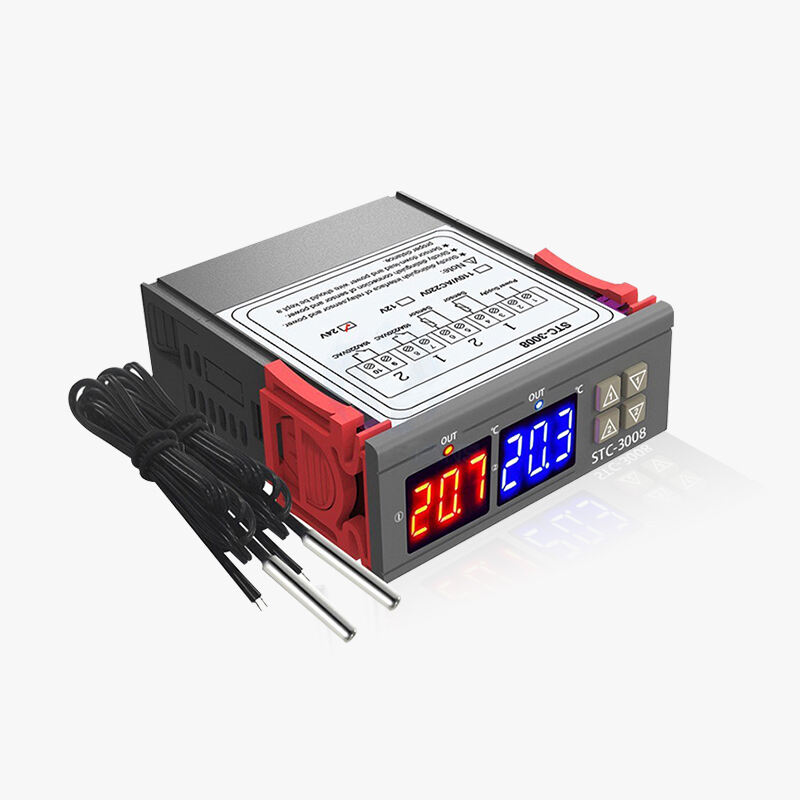
Industrial temperature control has evolved dramatically with the introduction of sophisticated digital systems that offer unprecedented precision and reliability. Modern manufacturing processes require exact temperature management to ensure product quality, operational efficiency, and compliance with industry standards. A digital temperature controller serves as the critical interface between temperature sensors and control elements, providing automated regulation that maintains optimal conditions across diverse industrial applications. These advanced systems have replaced traditional analog controllers in most professional environments due to their superior accuracy, programmability, and integration capabilities.
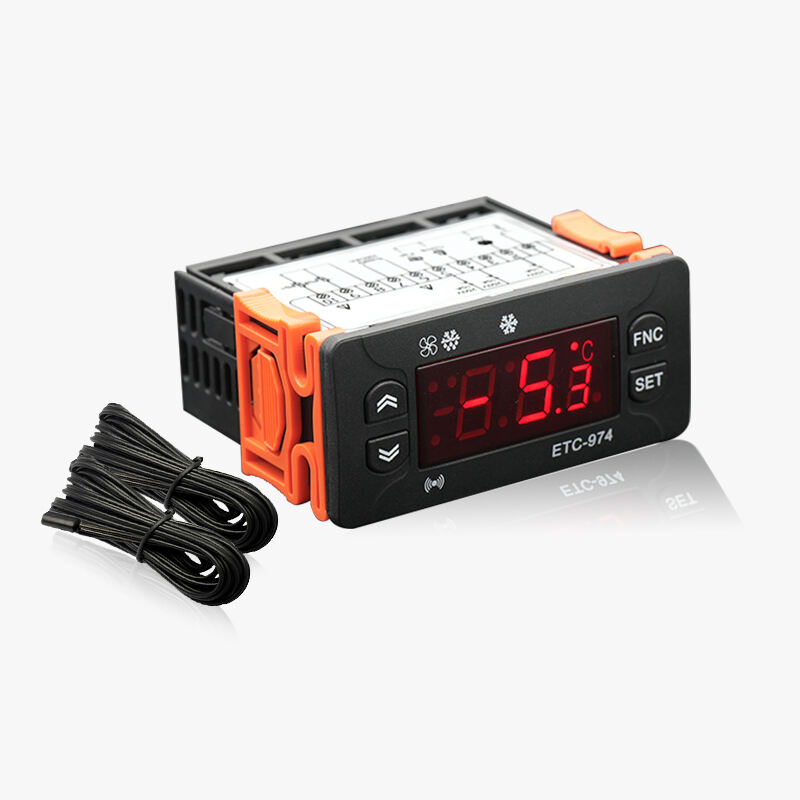
The selection process for industrial temperature control systems requires careful consideration of multiple technical factors that directly impact operational performance. Temperature range requirements, control accuracy specifications, and environmental conditions all influence the choice of appropriate equipment. Digital technology has revolutionized temperature management by providing microprocessor-based control algorithms that deliver consistent performance under varying load conditions. These systems integrate seamlessly with existing automation infrastructure while offering enhanced monitoring capabilities that were impossible with earlier analog solutions.
Understanding Digital Temperature Control Technology
Core Components and Functionality
A digital temperature controller consists of several interconnected components that work together to maintain precise temperature regulation. The microprocessor serves as the central processing unit, executing control algorithms and managing communication with external devices. Input circuits receive signals from temperature sensors such as thermocouples, RTDs, or thermistors, converting analog measurements into digital values for processing. The controller compares actual temperature readings against setpoint values and calculates appropriate output responses based on programmed control parameters.
Output stages in modern systems provide various control methods including relay switching, solid-state relay operation, or continuous analog signals for proportional control. Advanced models incorporate multiple output channels that enable simultaneous control of heating and cooling elements, creating sophisticated temperature management systems. Communication interfaces allow integration with supervisory control systems, enabling remote monitoring and adjustment of temperature parameters. Display modules present real-time temperature data, alarm conditions, and operational status information to operators.
Control Algorithm Sophistication
Modern digital temperature controller units employ advanced control algorithms that significantly outperform traditional on-off control methods. Proportional-Integral-Derivative control provides smooth temperature regulation by calculating output based on error magnitude, error duration, and rate of change. Auto-tuning functions automatically optimize control parameters for specific applications, eliminating the need for manual calibration procedures. These intelligent systems adapt to process characteristics and load variations, maintaining consistent performance across different operating conditions.
Fuzzy logic control algorithms offer superior performance in applications with nonlinear characteristics or variable load conditions. These systems process multiple input variables simultaneously and generate control responses based on expert system knowledge bases. Adaptive control features continuously monitor system performance and adjust parameters to compensate for changing process dynamics. Such sophistication ensures optimal temperature regulation while minimizing energy consumption and reducing wear on control elements.
Industrial Applications and Requirements
Manufacturing Process Integration
Industrial manufacturing processes depend on precise temperature control to maintain product quality and ensure consistent production outcomes. Plastic injection molding requires exact temperature management of heating zones to achieve proper material flow and dimensional accuracy. Food processing applications demand strict temperature regulation to ensure safety and preserve nutritional content throughout production cycles. Pharmaceutical manufacturing relies on digital temperature controller systems to maintain stability conditions required for active ingredient preservation.
Chemical processing operations utilize advanced temperature control systems to manage reaction conditions and prevent dangerous thermal excursions. These applications often require rapid response times and exceptional stability to maintain safe operating conditions. Semiconductor fabrication processes demand ultra-precise temperature control to achieve the tight tolerances required for modern electronic components. Each application presents unique challenges that influence the selection criteria for appropriate control equipment.
Environmental and Safety Considerations
Industrial environments present challenging conditions that affect the performance and reliability of temperature control equipment. High ambient temperatures, vibration, electromagnetic interference, and exposure to corrosive substances all impact system operation. A quality digital temperature controller must incorporate robust construction and protective features to ensure reliable operation under these conditions. Sealed enclosures, conformal coating, and industrial-grade components provide necessary protection against environmental hazards.
Safety certification requirements vary by industry and geographical location, making compliance verification essential during the selection process. Equipment must meet relevant standards for electrical safety, electromagnetic compatibility, and functional safety where applicable. Alarm functions and fail-safe operation modes protect personnel and equipment when temperature conditions exceed acceptable limits. Documentation and traceability requirements in regulated industries necessitate systems with comprehensive data logging and reporting capabilities.
Selection Criteria and Performance Specifications
Accuracy and Resolution Requirements
Temperature measurement accuracy represents one of the most critical specifications when selecting industrial control equipment. Different applications require varying levels of precision, from basic process control requiring ±1°C accuracy to precision applications demanding ±0.1°C or better performance. Resolution specifications determine the smallest temperature change that the system can detect and respond to appropriately. Higher resolution systems provide smoother control and better stability but may increase system complexity and cost.
Sensor compatibility affects measurement accuracy and system integration requirements. RTD sensors provide excellent accuracy and stability for precision applications, while thermocouples offer wide temperature ranges and fast response times. The digital temperature controller must provide appropriate input conditioning and linearization for the selected sensor type. Calibration requirements and drift specifications impact long-term accuracy and maintenance scheduling considerations.
Control Performance and Response Characteristics
Control performance specifications determine how effectively the system maintains desired temperature conditions under varying load conditions. Settling time indicates how quickly the system reaches stable temperature after setpoint changes or load disturbances. Overshoot characteristics affect product quality in applications where temperature excursions must be minimized. Steady-state accuracy specifications define the long-term stability of temperature regulation under normal operating conditions.
Response time requirements depend on process dynamics and the need to compensate for thermal disturbances. Fast-response applications may require high-speed control updates and optimized tuning parameters to maintain stability. Load regulation specifications indicate the system's ability to maintain temperature despite changes in heat load or ambient conditions. These performance characteristics directly impact product quality and operational efficiency in industrial applications.
Installation and Configuration Considerations
Mechanical Integration Requirements
Physical installation requirements significantly impact the selection and implementation of temperature control systems. Panel mounting dimensions and cutout specifications must match available installation space and operator accessibility requirements. Depth behind panel and clearance requirements affect cabinet design and ventilation considerations. Cable routing and connection accessibility influence installation complexity and maintenance procedures.
Vibration isolation may be necessary in applications with mechanical equipment that could affect controller performance. Thermal management considerations become important when controllers are installed in high-temperature environments or enclosed panels. Proper installation techniques ensure optimal performance and extend equipment service life. Documentation of installation procedures and configuration settings facilitates troubleshooting and system modifications.
Electrical Integration and Wiring
Electrical integration involves connecting temperature sensors, control outputs, and communication interfaces according to system requirements. Power supply specifications must match available electrical infrastructure while providing adequate reserves for reliable operation. Input wiring practices affect measurement accuracy, particularly with low-level sensor signals that are susceptible to electrical interference.
Output wiring configurations depend on the type of control elements being used and the power levels involved. Solid-state relay outputs require different wiring practices than mechanical relay contacts or analog output signals. Grounding and shielding techniques minimize electrical noise and ensure stable operation in industrial environments. Proper electrical installation practices prevent interference problems and ensure compliance with electrical codes.
Advanced Features and Connectivity Options
Communication and Data Management
Modern digital temperature controller systems offer extensive communication capabilities that enable integration with plant-wide control and monitoring systems. Ethernet connectivity provides high-speed data transfer and remote access capabilities for monitoring and configuration. Serial communication protocols such as Modbus RTU or RS-485 networks allow multiple controllers to share data and coordinate control strategies. Wireless communication options eliminate wiring requirements in applications where cable installation is impractical.
Data logging capabilities provide historical temperature records for quality assurance and process optimization analysis. Built-in memory stores temperature trends, alarm events, and configuration changes for review and documentation purposes. Cloud connectivity enables remote monitoring and predictive maintenance strategies that reduce downtime and optimize performance. Integration with enterprise resource planning systems facilitates production planning and quality management processes.
User Interface and Operational Features
User interface design affects operator efficiency and reduces the potential for configuration errors. Large, high-contrast displays provide clear visibility under various lighting conditions found in industrial environments. Intuitive menu structures and logical navigation reduce training requirements and minimize operational mistakes. Multi-language support accommodates diverse workforces and international operations.
Security features protect against unauthorized access and accidental parameter changes that could affect process operation. Password protection and user access levels ensure that only qualified personnel can modify critical control parameters. Backup and restore functions facilitate rapid system recovery after maintenance or equipment replacement procedures. These operational features contribute to overall system reliability and operational efficiency.
Maintenance and Lifecycle Management
Preventive Maintenance Requirements
Regular maintenance procedures ensure optimal performance and extend the service life of digital temperature controller equipment. Calibration verification schedules depend on application requirements and regulatory compliance needs. Sensor replacement intervals vary by sensor type and operating conditions, with thermocouples typically requiring more frequent replacement than RTDs. Contact cleaning and connection inspection prevent reliability issues caused by corrosion or loose connections.
Software updates and firmware upgrades may provide enhanced functionality or address security vulnerabilities. Configuration backup procedures ensure rapid restoration after maintenance or component replacement activities. Performance monitoring and trending analysis help identify degradation before it affects process operation. Preventive maintenance programs reduce unplanned downtime and extend equipment service life significantly.
Troubleshooting and Support Resources
Effective troubleshooting capabilities minimize downtime when operational problems occur. Built-in diagnostic functions identify common failure modes and provide guidance for corrective actions. Error codes and alarm messages help operators and maintenance personnel quickly identify and resolve problems. Remote diagnostic capabilities enable expert support without requiring on-site visits in many cases.
Technical support availability and response times affect overall system reliability and operational continuity. Comprehensive documentation including installation manuals, programming guides, and troubleshooting procedures supports effective maintenance practices. Training programs ensure that operators and maintenance personnel understand proper system operation and maintenance procedures. Spare parts availability and supply chain support affect long-term operational costs and system reliability.
FAQ
What accuracy can be expected from a modern digital temperature controller
Modern digital temperature controller systems typically provide accuracy ranging from ±0.1°C to ±1.0°C depending on the specific model and sensor type used. High-precision models with RTD sensors can achieve accuracies better than ±0.05°C in laboratory conditions, while industrial-grade units with thermocouple sensors typically provide ±0.25°C to ±0.5°C accuracy. The overall system accuracy depends on sensor quality, installation practices, and environmental conditions. Regular calibration maintains optimal accuracy throughout the equipment service life.
How do I select the appropriate control algorithm for my application
Control algorithm selection depends on process characteristics such as thermal mass, response time requirements, and load variations. PID control works well for most industrial applications with stable characteristics and moderate response requirements. Fuzzy logic or adaptive control algorithms provide superior performance in applications with nonlinear behavior or variable load conditions. Auto-tuning functions simplify parameter optimization for users without extensive control theory knowledge. Consider consulting with application engineers for complex or critical control applications.
What communication protocols are commonly supported by industrial temperature controllers
Most industrial digital temperature controller units support multiple communication protocols to ensure compatibility with existing control systems. Modbus RTU over RS-485 networks represents the most common protocol for serial communication applications. Ethernet-based protocols including Modbus TCP, EtherNet/IP, and PROFINET enable high-speed communication and remote access capabilities. Some advanced models support wireless protocols such as Wi-Fi or cellular connectivity for remote monitoring applications. Protocol selection should match existing plant infrastructure and communication requirements.
How often should temperature controllers be calibrated in industrial applications
Calibration frequency depends on application requirements, regulatory compliance needs, and operating environment conditions. Critical applications or regulated industries may require monthly or quarterly calibration verification, while general industrial applications typically require annual calibration. Harsh operating environments or applications with high accuracy requirements may necessitate more frequent calibration schedules. Built-in diagnostic functions and drift monitoring help determine optimal calibration intervals for specific applications. Maintaining calibration records demonstrates compliance and supports quality management systems.
Table of Contents
- Understanding Digital Temperature Control Technology
- Industrial Applications and Requirements
- Selection Criteria and Performance Specifications
- Installation and Configuration Considerations
- Advanced Features and Connectivity Options
- Maintenance and Lifecycle Management
-
FAQ
- What accuracy can be expected from a modern digital temperature controller
- How do I select the appropriate control algorithm for my application
- What communication protocols are commonly supported by industrial temperature controllers
- How often should temperature controllers be calibrated in industrial applications