Temperature Controller for Cold Storage

temperature controller for cold storage

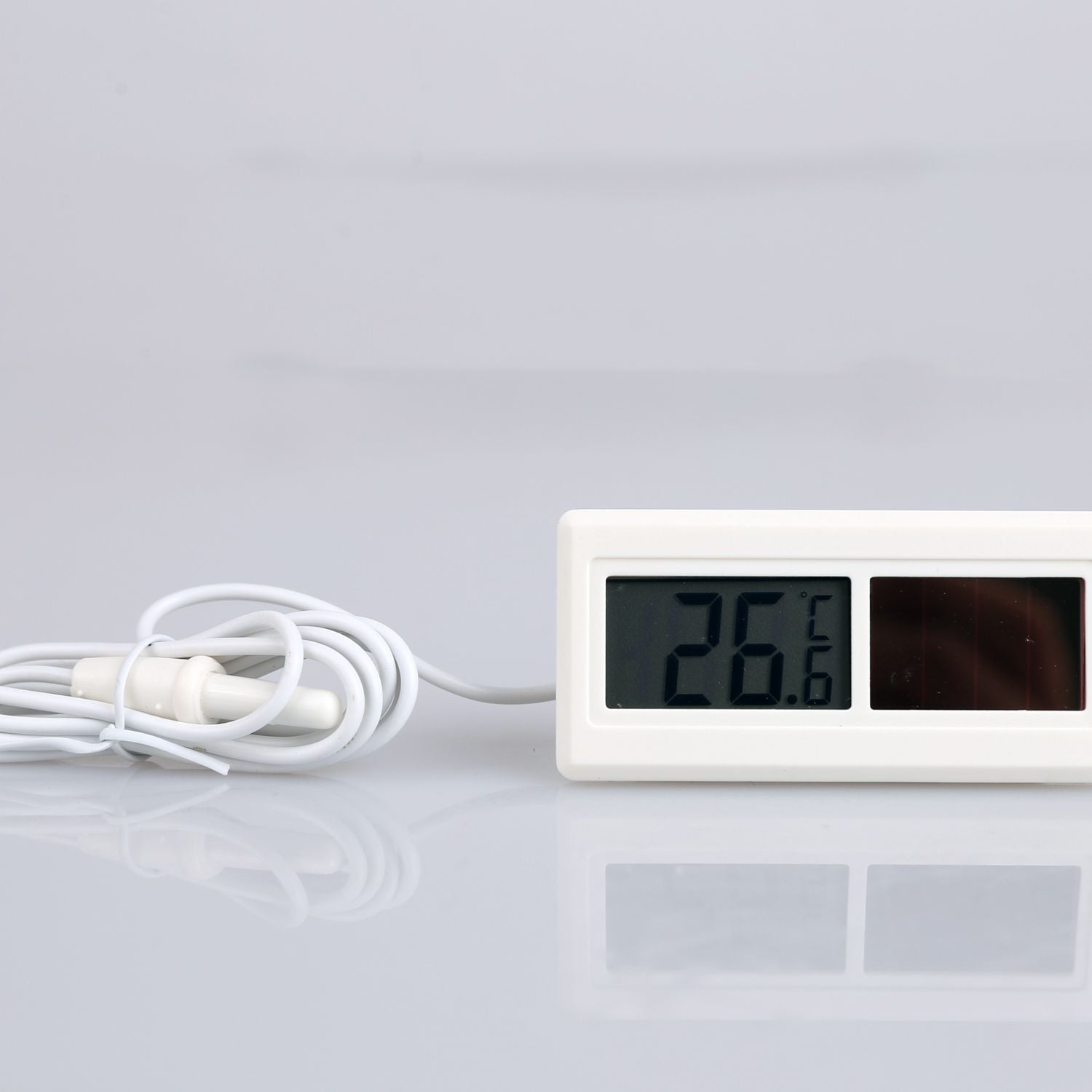
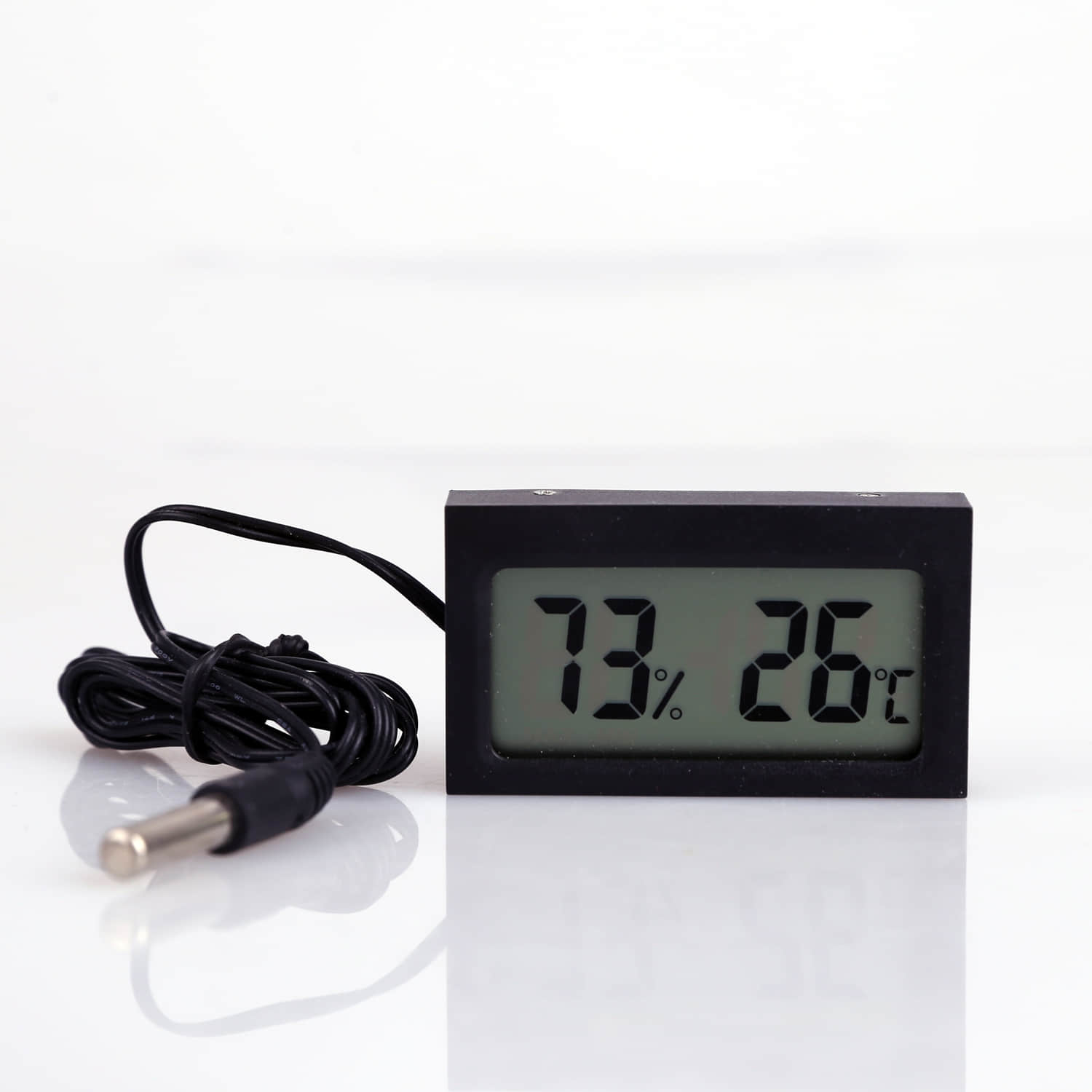
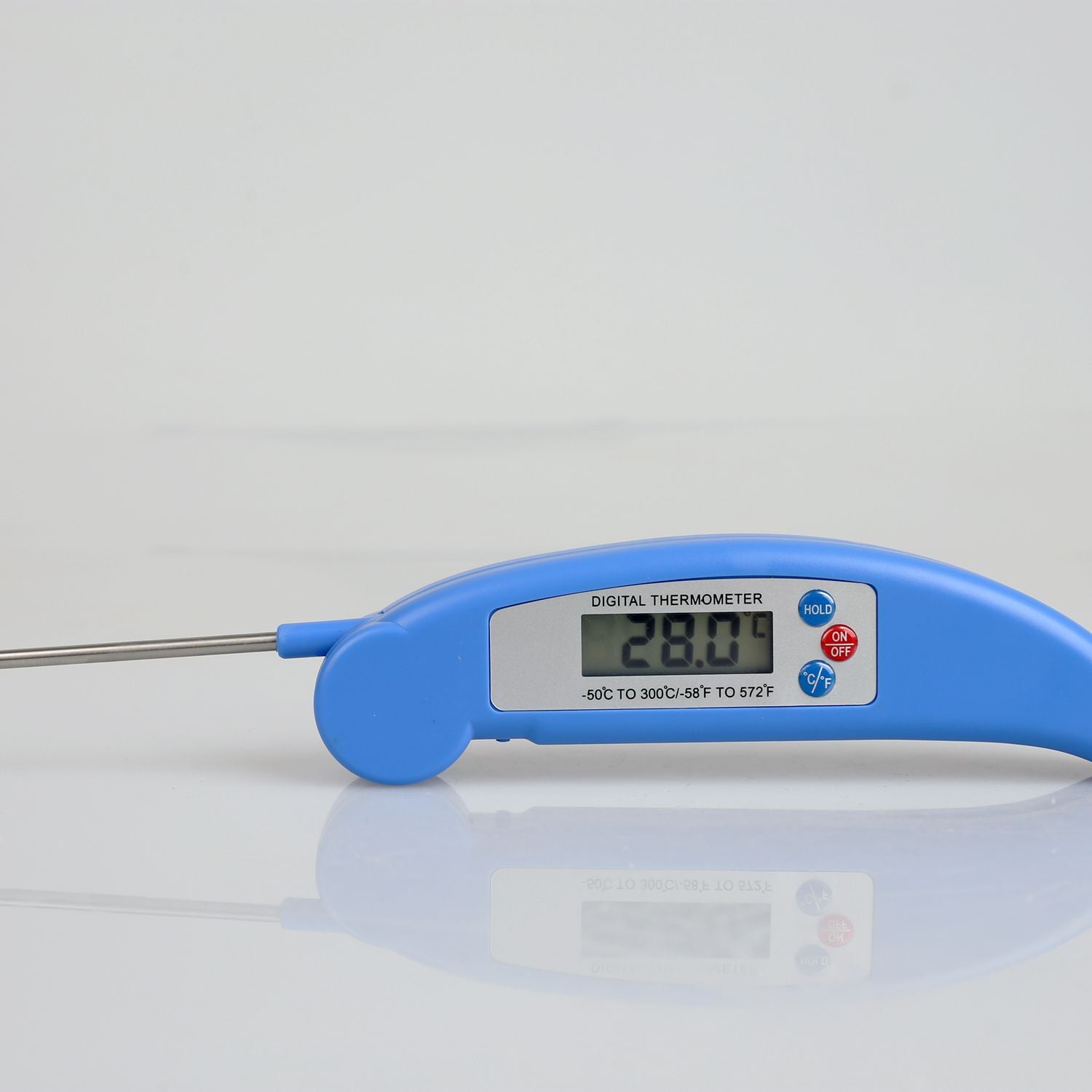
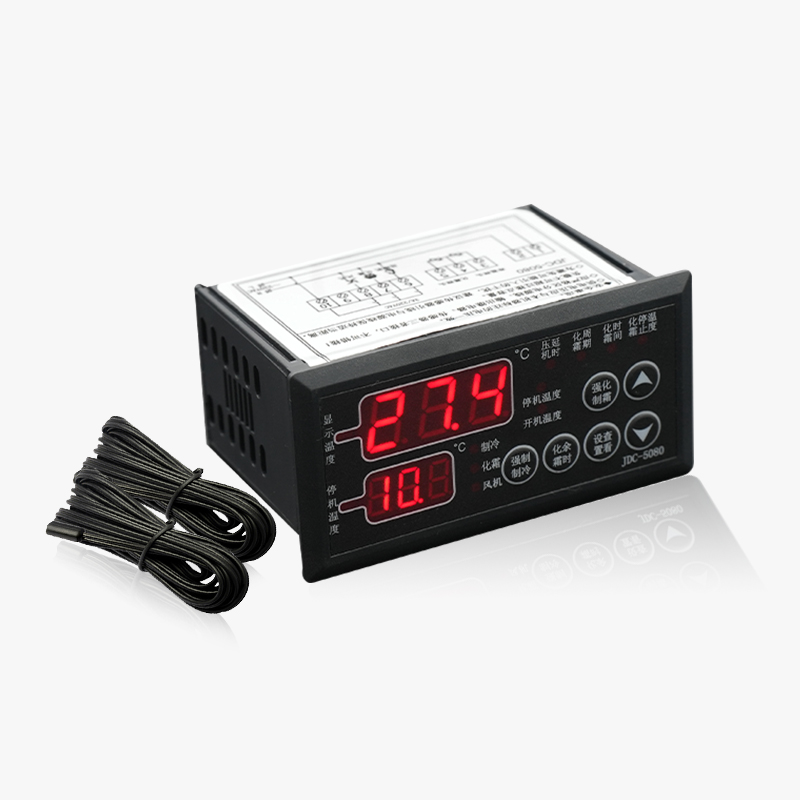
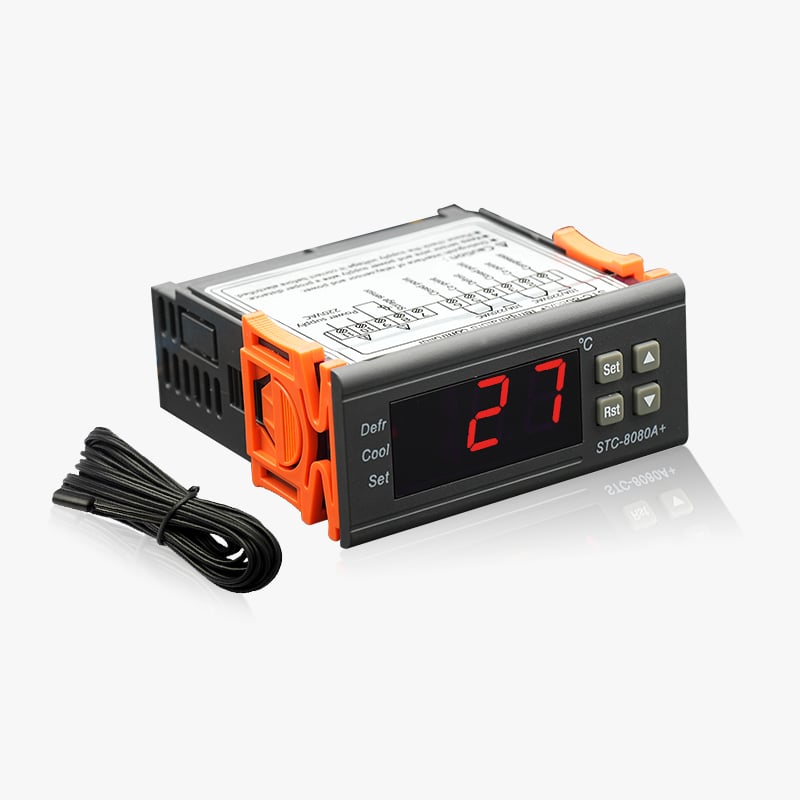
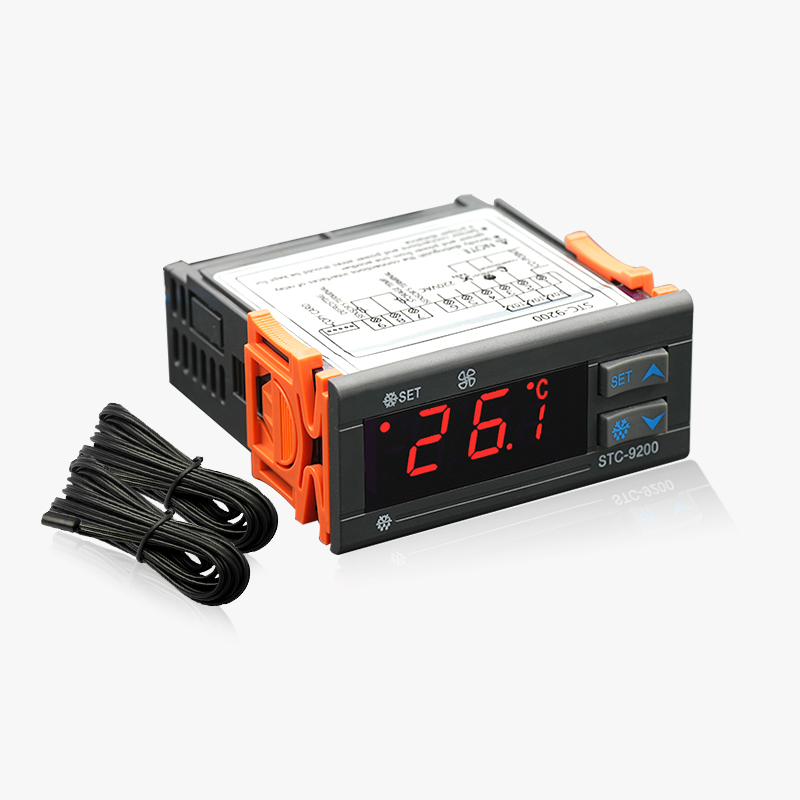
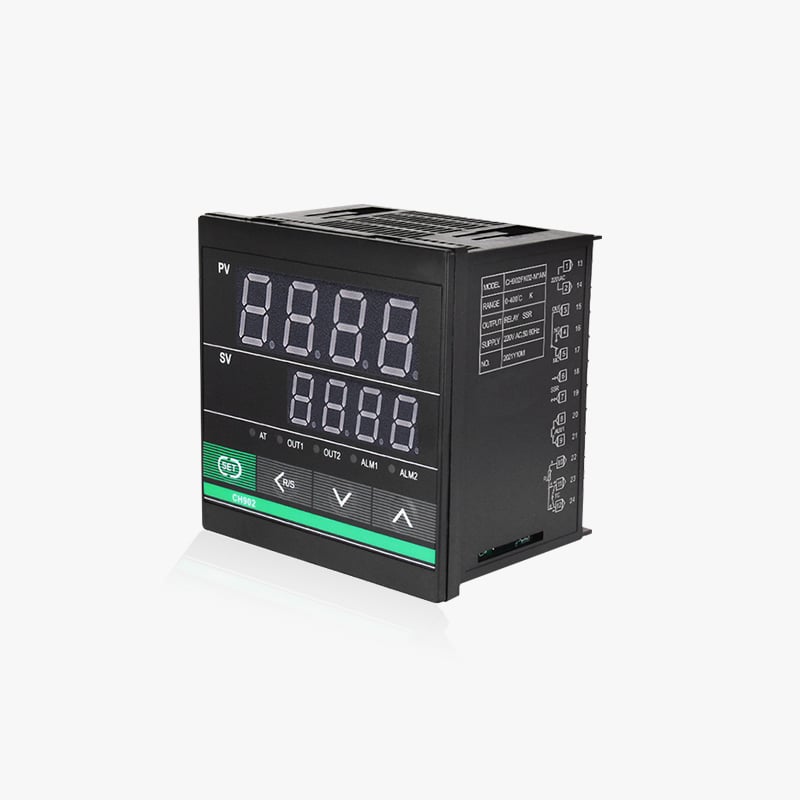
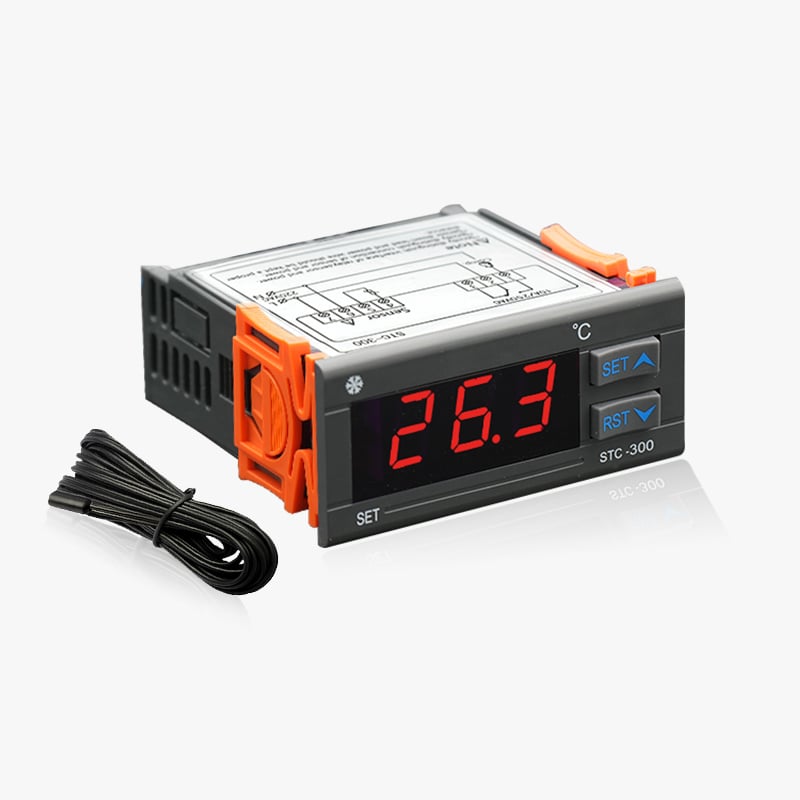
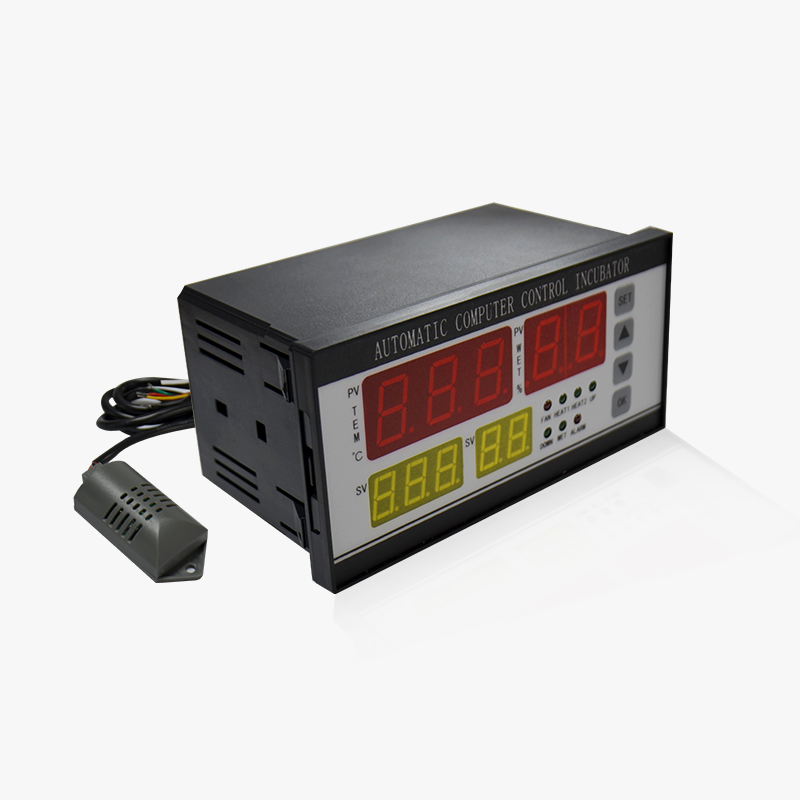
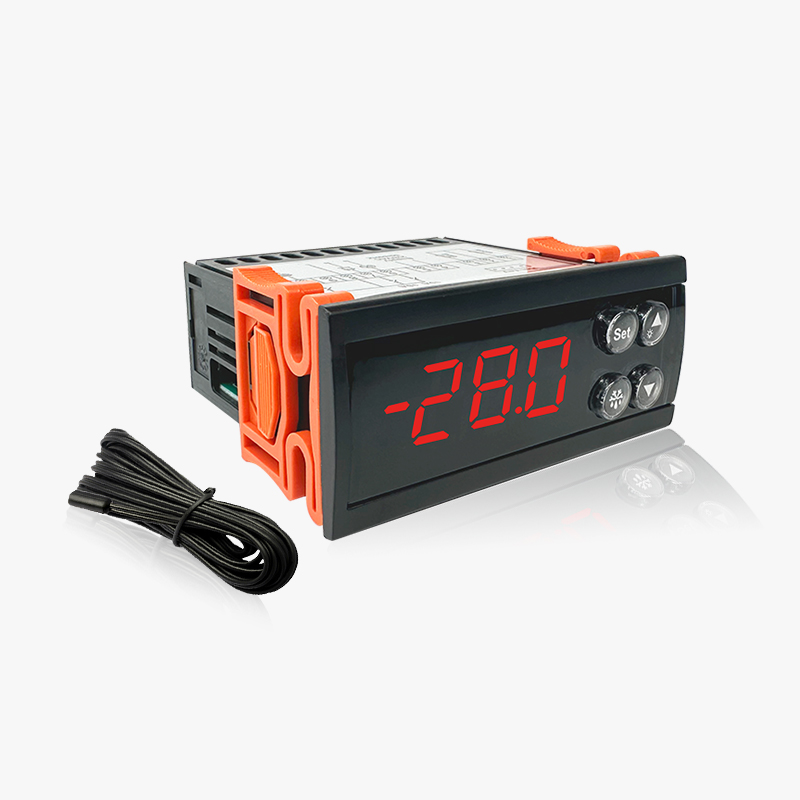
A temperature controller for cold storage is an essential device designed to maintain precise temperature conditions in refrigeration systems, freezers, and specialized storage environments. This sophisticated equipment automatically regulates cooling cycles to keep stored products at optimal temperatures, ensuring product quality, safety, and longevity. The temperature controller for cold storage works by monitoring ambient conditions through integrated sensors and adjusting compressor operation accordingly, preventing temperature fluctuations that could compromise inventory. Modern temperature controllers feature advanced technological capabilities including digital displays, programmable setpoints, and real-time alerts. These systems incorporate microprocessor-based controls that provide accurate temperature management within tenths of a degree. The temperature controller for cold storage often includes multiple sensor inputs, allowing simultaneous monitoring of different zones or compartments within large storage facilities. Key technological features include alarm systems that notify operators of temperature deviations, data logging capabilities for compliance documentation, and remote monitoring options through smart connectivity. Many units offer user-friendly interfaces with intuitive controls and customizable parameters. Applications span across pharmaceutical storage, food preservation, laboratory environments, and commercial refrigeration operations. The temperature controller for cold storage serves critical roles in hospitals, restaurants, supermarkets, warehouses, and research facilities. These controllers ensure compliance with industry regulations while maintaining product integrity and preventing spoilage or degradation throughout storage periods.

New Product Recommendations

Investing in a quality temperature controller for cold storage delivers substantial operational and financial benefits. First, it ensures consistent product preservation by maintaining stable temperatures that prevent spoilage, degradation, or quality loss. This reliability directly translates to reduced waste and improved profitability for businesses relying on temperature-sensitive inventory. Second, a temperature controller for cold storage enhances operational efficiency by automating temperature management without requiring constant manual monitoring. Operators gain peace of mind knowing the system continuously regulates conditions, freeing staff to focus on other essential tasks. This automation reduces human error and ensures compliance with strict industry standards for food safety, pharmaceuticals, and laboratory requirements. Third, these controllers provide cost savings through optimized energy consumption. Advanced temperature control systems prevent unnecessary compressor cycling, reducing electricity bills while extending equipment lifespan. The temperature controller for cold storage minimizes energy waste by maintaining precise settings rather than allowing temperature swings that force equipment to work harder. Fourth, real-time alert capabilities enable immediate problem identification and resolution. If temperatures drift outside acceptable ranges, the system notifies operators instantly, preventing costly product loss before damage occurs. This proactive approach protects inventory investment and maintains customer satisfaction through consistent product quality. Finally, comprehensive data logging and documentation features support regulatory compliance and quality assurance programs. Businesses can easily generate reports demonstrating adherence to temperature requirements, which proves invaluable during audits and inspections. The temperature controller for cold storage essentially becomes a critical business asset that protects revenue, ensures safety, and streamlines operations across various industries.

Latest News

Temperature Controller Troubleshooting: Common Issues

19

Jan

Temperature Controller Troubleshooting: Common Issues

Modern industrial and commercial operations rely heavily on precise temperature control systems to maintain optimal conditions across various applications. When a temperature controller malfunctions, it can disrupt entire production processes, compro...
View More
Digital vs. Analog: Why Your Facility Needs Digital Temperature Control Now

20

Mar

Digital vs. Analog: Why Your Facility Needs Digital Temperature Control Now

The choice between digital and analog temperature control systems represents a critical decision point that can significantly impact your facility's operational efficiency, energy costs, and product quality. While analog temperature controllers have ...
View More
Key Features to Look for When Sourcing Digital Temperature Control Wholesale

20

Mar

Key Features to Look for When Sourcing Digital Temperature Control Wholesale

When sourcing digital temperature controllers for wholesale distribution, understanding the critical features that differentiate quality units from basic models becomes essential for business success. The wholesale market for digital temperature cont...
View More
Industrial PID Temperature Controller Features Guide

20

Apr

Industrial PID Temperature Controller Features Guide

Industrial temperature control systems require precise, reliable, and efficient solutions to maintain optimal operating conditions across diverse manufacturing environments. The pid temperature controller represents the pinnacle of automated thermal ...
View More

Get a Free Quote

Our representative will contact you soon.
Email
Country/Region
Mobile
Name
Company Name
Message
0/1000
Attachment
Please upload at least an attachment
Up to 3 files,more 30mb,suppor jpg、jpeg、png、pdf、doc、docx、xls、xlsx、csv、txt

temperature controller for cold storage

Precision Temperature Regulation for Optimal Storage Conditions

Precision Temperature Regulation for Optimal Storage Conditions

A temperature controller for cold storage delivers exceptional precision by maintaining exact temperature setpoints within narrow tolerances. This accuracy prevents the temperature fluctuations that compromise product quality, extend shelf life, and reduce waste. Whether storing pharmaceuticals requiring exact specifications or food products demanding consistent conditions, precision control ensures every item remains in ideal circumstances. The temperature controller for cold storage uses advanced sensor technology and microprocessor controls to make continuous micro-adjustments to cooling systems. Rather than allowing temperatures to swing between high and low points, these controllers maintain steady conditions that preserve product integrity. This precision capability is particularly valuable in pharmaceutical storage, where even minor temperature deviations can render medications ineffective or dangerous. Food distributors also benefit tremendously, as consistent temperatures prevent bacterial growth and maintain nutritional value. The temperature controller for cold storage essentially guarantees that stored inventory maintains peak quality throughout its entire storage period, protecting business revenue and customer satisfaction simultaneously.
Intelligent Monitoring and Automated Alert Systems

Intelligent Monitoring and Automated Alert Systems

Modern temperature controllers include sophisticated monitoring capabilities that provide continuous oversight without human intervention. The temperature controller for cold storage features real-time sensors that track conditions every second, immediately detecting any deviation from programmed parameters. When anomalies occur, automated alert systems notify operators through audible alarms, visual indicators, or digital notifications, enabling rapid response before significant damage occurs. This intelligent monitoring transforms how businesses protect temperature-sensitive inventory. Instead of discovering spoilage after the fact, operators receive instant warnings about compressor failures, sensor malfunctions, or unexpected temperature rises. The temperature controller for cold storage essentially acts as a vigilant guardian, working around the clock to catch problems immediately. Many systems offer remote monitoring capabilities, allowing managers to check conditions from anywhere using smartphones or computers. This accessibility proves invaluable for multi-location operations or after-hours emergencies. Data logging features automatically record temperature history, creating audit trails that demonstrate compliance with regulatory requirements. The temperature controller for cold storage transforms reactive maintenance into proactive protection, saving businesses thousands in prevented losses.
Energy-Efficient Operation and Cost Reduction

Energy-Efficient Operation and Cost Reduction

A temperature controller for cold storage optimizes energy consumption through intelligent compressor management and precise temperature control. Unlike basic on-off systems that cause excessive cycling and energy waste, modern controllers use sophisticated algorithms to minimize electricity usage while maintaining perfect conditions. This efficiency directly reduces operational costs, particularly important for large facilities running refrigeration systems continuously. The temperature controller for cold storage prevents energy waste by avoiding unnecessary compressor engagement. Traditional systems often cycle on and off dramatically as temperatures drift beyond setpoint ranges, consuming excessive electricity. Advanced controllers make subtle adjustments that keep conditions stable, requiring less compressor activity and significantly lower power consumption. Facilities report electricity cost reductions ranging from 15 to 30 percent after upgrading to sophisticated temperature control systems. Over months and years, these savings accumulate into substantial financial benefits that improve bottom-line profitability. Additionally, reduced compressor cycling extends equipment lifespan, delaying expensive replacement costs. The temperature controller for cold storage essentially pays for itself through energy savings while simultaneously protecting inventory and improving operational efficiency across the entire facility.
Whatsapp Whatsapp Email Email TopTop