
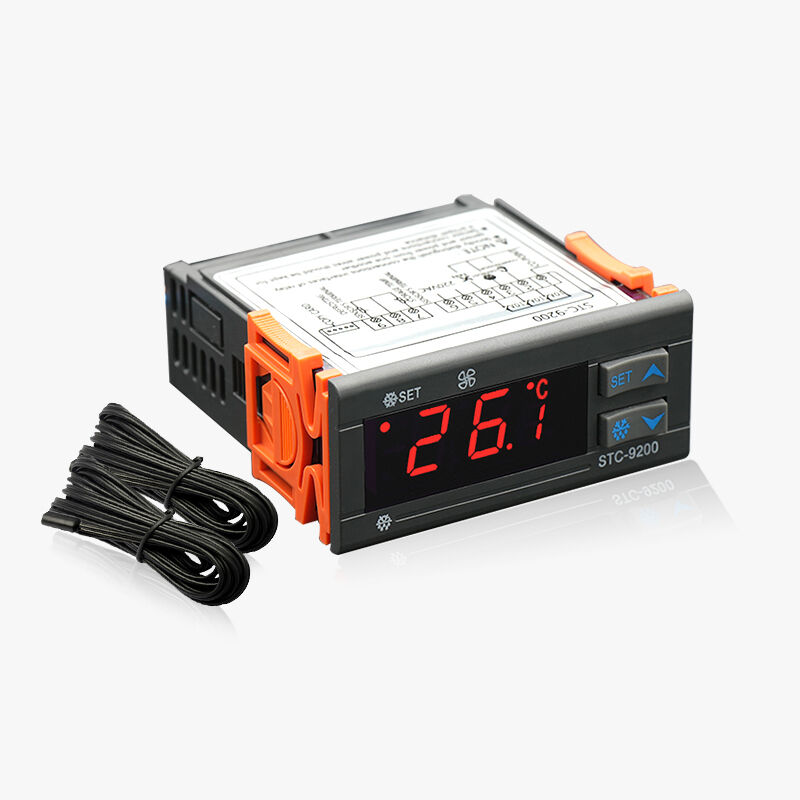
When sourcing digital temperature controllers for wholesale distribution, understanding the critical features that differentiate quality units from basic models becomes essential for business success. The wholesale market for digital temperature controllers has evolved significantly, with buyers demanding sophisticated functionality, reliability, and cost-effectiveness in their procurement decisions. Professional distributors and industrial buyers must evaluate multiple technical specifications, performance characteristics, and compatibility factors to ensure their digital temperature controller selection meets diverse customer requirements while maintaining competitive pricing structures.
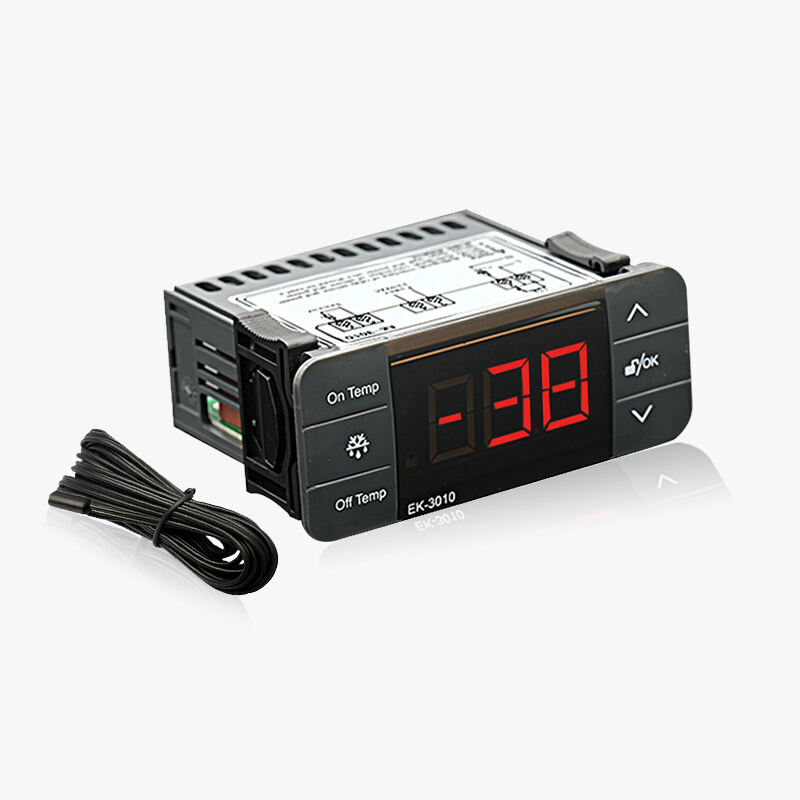
The wholesale procurement process for digital temperature controllers requires a systematic approach to feature evaluation that considers both immediate market demands and long-term business sustainability. Successful wholesale buyers recognize that the most profitable digital temperature controller units combine advanced technical capabilities with user-friendly operation, ensuring broad market appeal across various industrial sectors. This comprehensive feature assessment methodology enables wholesale distributors to build robust product portfolios that satisfy diverse customer segments while maximizing profit margins and maintaining competitive advantages in the rapidly evolving temperature control market.
Essential Display and Interface Features
Digital Display Technology and Readability
The display quality of a digital temperature controller directly impacts user experience and operational efficiency in commercial and industrial applications. Premium wholesale units should feature high-contrast LED or LCD displays with clear numerical readouts that remain visible under various lighting conditions. The display resolution must provide precise temperature readings with decimal precision, typically showing values to within 0.1 degrees for most applications. Advanced digital temperature controller models incorporate multi-color displays that change colors based on operational status, providing immediate visual feedback about system performance and alert conditions.
Display size considerations become crucial for wholesale applications where end-users operate equipment in diverse environments. Larger displays improve readability from greater distances, reducing operator errors and improving workplace safety. The best wholesale digital temperature controller units feature displays ranging from 0.5 to 1.2 inches in height, ensuring visibility across typical industrial distances. Additionally, displays with adjustable brightness settings accommodate various ambient light conditions, from dimly lit storage areas to brightly illuminated manufacturing floors.
Digital display durability directly affects the long-term value proposition for wholesale buyers and their customers. Industrial-grade digital temperature controllers incorporate sealed display assemblies that resist moisture, dust, and chemical exposure common in harsh operating environments. The display technology should maintain consistent performance across wide temperature ranges, ensuring reliable operation in both refrigerated and heated applications.
User Interface Design and Navigation
Intuitive user interfaces distinguish premium digital temperature controllers from basic models in wholesale markets. The control interface should minimize the learning curve for operators while providing access to advanced configuration options. Simple button layouts with clearly labeled functions enable quick parameter adjustments without extensive training requirements. Digital temperature controller units with dedicated buttons for common functions like setpoint adjustment, mode selection, and alarm acknowledgment improve operational efficiency and reduce user errors.
Menu structure organization affects the practicality of digital temperature controllers in real-world applications. Well-designed units present frequently accessed functions through direct button access while organizing advanced settings in logical menu hierarchies. The navigation system should provide clear visual feedback about current selections and parameter values, preventing configuration mistakes that could compromise system performance. Professional-grade digital temperature controller models include menu lockout features that prevent unauthorized changes to critical settings while allowing operators access to routine functions.
Programming interface efficiency becomes particularly important for wholesale applications where customers deploy multiple units with similar configurations. Advanced digital temperature controllers offer parameter copying functions, allowing technicians to replicate settings across multiple devices quickly. Some models include PC connectivity options for bulk configuration management, streamlining installation processes for large-scale deployments.
Temperature Sensing and Control Accuracy
Sensor Compatibility and Signal Processing
Sensor compatibility determines the versatility and application range of digital temperature controllers in wholesale markets. Premium units should support multiple sensor types including thermocouples, RTDs, and thermistors, enabling use across diverse temperature ranges and accuracy requirements. The digital temperature controller should automatically compensate for sensor characteristics, ensuring accurate readings regardless of the selected sensor type. Universal sensor inputs eliminate the need for specialized models, simplifying inventory management for wholesale distributors.
Signal processing quality affects measurement accuracy and system stability in demanding applications. Advanced digital temperature controllers incorporate high-resolution analog-to-digital converters that minimize measurement noise and provide stable readings even in electrically noisy environments. The processing algorithms should include digital filtering capabilities that smooth sensor readings while maintaining responsive control performance. Cold junction compensation for thermocouple inputs ensures measurement accuracy across varying ambient temperatures.
Sensor fault detection capabilities enhance system reliability and reduce maintenance costs for end-users. Quality digital temperature controller units continuously monitor sensor connections and signal integrity, providing immediate alerts when sensor failures occur. These diagnostic features prevent system damage and product loss that could result from undetected sensor malfunctions. Advanced models differentiate between various fault conditions, helping technicians quickly identify and resolve sensor-related issues.
Control Algorithm Performance
Control algorithm sophistication determines how effectively a digital temperature controller maintains stable temperatures under varying load conditions. PID control algorithms provide superior performance compared to simple on-off controls, minimizing temperature overshoots and reducing system cycling. The algorithm should automatically adapt to system characteristics, optimizing control parameters for different applications without manual tuning. Self-tuning capabilities enable the digital temperature controller to maintain optimal performance as system conditions change over time.
Response speed and stability represent critical performance metrics for wholesale digital temperature controllers. Fast response times enable quick recovery from temperature disturbances while stable control prevents excessive system cycling that wastes energy and reduces equipment lifespan. The control algorithm should balance these competing requirements based on application needs, providing adjustable response characteristics for different operational priorities.
Advanced control features expand the application potential for wholesale digital temperature controller units. Cascade control capabilities enable sophisticated multi-stage temperature management systems. Rate limiting functions prevent rapid temperature changes that could damage sensitive products or processes. These advanced features increase the market value of wholesale units while enabling customers to implement more sophisticated temperature control strategies.
Output and Relay Specifications
Relay Configuration and Capacity
Relay specifications directly impact the electrical compatibility and application range of digital temperature controllers in wholesale markets. The output relay configuration should accommodate common heating and cooling system requirements, typically including separate relay contacts for heating, cooling, and alarm functions. High-quality digital temperature controller units feature relay contacts rated for appropriate current levels, typically ranging from 10 to 20 amperes for direct load control applications. The relay contact material and construction affect longevity and reliability, with silver contacts providing superior performance for most temperature control applications.
Relay switching characteristics influence system performance and component lifespan in various applications. Fast relay response times enable precise temperature control, while contact bounce suppression prevents false triggering and extends relay life. The digital temperature controller should include relay protection features such as arc suppression and contact welding prevention. These protective measures ensure consistent performance throughout the product lifespan while reducing maintenance requirements for end-users.
Output relay isolation protects the digital temperature controller electronics from electrical noise and voltage transients present in industrial environments. Optical isolation between control circuits and relay outputs prevents ground loops and electromagnetic interference that could compromise measurement accuracy. This isolation also protects the controller from damage caused by load circuit faults, improving system reliability and reducing warranty claims for wholesale distributors.
Signal Output Options
Analog output capabilities expand the integration possibilities for digital temperature controllers in complex automation systems. Standard 4-20mA or 0-10V outputs enable connection to building management systems, data loggers, and supervisory control systems. The analog output should accurately represent the controlled temperature or control signal, providing smooth operation without stepping or noise that could affect downstream equipment. Scalable output ranges allow customers to customize the signal span for specific application requirements.
Digital communication interfaces enhance the value proposition for wholesale digital temperature controller units in modern automation environments. RS-485 Modbus communication enables integration with industrial control systems and remote monitoring equipment. The communication protocol should provide access to all critical parameters including temperature readings, setpoints, alarm status, and configuration settings. Network addressing capabilities allow multiple controllers to operate on the same communication bus without conflicts.
Communication reliability becomes crucial for applications where remote monitoring and control are essential. The digital temperature controller should include error detection and recovery mechanisms that maintain communication integrity even in noisy electrical environments. Automatic re-transmission of corrupted messages ensures data accuracy while timeout handling prevents communication lockups that could compromise system operation.
Power Supply and Environmental Specifications
Power Input Requirements
Power supply flexibility affects the global market appeal of wholesale digital temperature controllers. Universal power input designs that accept both AC and DC power sources expand application possibilities while simplifying inventory management for distributors. Wide voltage ranges, typically accommodating 85-265VAC or 12-24VDC inputs, ensure compatibility with various international power standards. The digital temperature controller should maintain consistent performance across the entire voltage range without requiring manual adjustments or configuration changes.
Power consumption characteristics impact operational costs and system design considerations for end-users. Low power consumption reduces operating expenses while enabling battery backup operation in critical applications. Efficient switching power supplies minimize heat generation within control panels, reducing cooling requirements and improving overall system reliability. The power supply design should include surge protection and noise filtering that protects sensitive control electronics from power quality issues common in industrial environments.
Power supply reliability directly affects system uptime and customer satisfaction. Industrial-grade digital temperature controller units incorporate robust power supply designs that operate reliably under adverse conditions including voltage fluctuations, power interruptions, and electrical noise. Automatic restart capabilities ensure proper system operation following power outages without requiring manual intervention from operators or maintenance personnel.
Environmental Durability
Operating temperature ranges determine the environmental versatility of digital temperature controllers in wholesale markets. Industrial applications often require operation in extreme temperatures, making wide operating ranges essential for broad market appeal. Quality units should operate reliably from -10°C to +55°C ambient temperature while maintaining specification accuracy. Extended temperature ranges enable use in outdoor installations, unheated buildings, and high-temperature industrial environments where standard controllers would fail.
Moisture resistance protects digital temperature controllers from humidity and condensation that occur in many industrial applications. IP-rated enclosures provide standardized protection levels that customers can evaluate for specific environmental conditions. The controller housing should seal critical components while allowing necessary heat dissipation and user interface access. Conformal coating on circuit boards provides additional protection against moisture and corrosive atmospheres that could cause component failure.
Vibration and shock resistance ensure reliable operation in demanding industrial environments. The digital temperature controller mechanical construction should withstand vibrations from nearby machinery, transportation stresses, and installation handling without affecting calibration or functionality. Solid-state designs without mechanical moving parts typically provide superior durability compared to controllers with mechanical switches or displays that could be damaged by physical stress.
Advanced Features and Integration Capabilities
Alarm and Safety Functions
Comprehensive alarm systems distinguish professional-grade digital temperature controllers from basic models in wholesale markets. Multiple alarm types including high temperature, low temperature, deviation, and sensor fault alarms provide complete system monitoring coverage. The alarm configuration should allow independent setpoints for each alarm type with adjustable deadbands that prevent nuisance triggering near alarm thresholds. Visual and audible alarm indicators provide immediate notification of alarm conditions while alarm logging capabilities maintain historical records for analysis and compliance documentation.
Alarm latching options ensure critical alarms receive appropriate attention even if conditions return to normal before operators respond. The digital temperature controller should provide both latching and non-latching alarm modes with clear indication of alarm acknowledgment status. Remote alarm signaling through communication interfaces enables integration with building management systems and emergency notification systems for comprehensive facility monitoring.
Safety interlock functions protect personnel and equipment from potentially dangerous temperature conditions. Emergency shutdown capabilities provide immediate system protection when critical limits are exceeded. The digital temperature controller should include fail-safe operation modes that ensure safe system states during controller malfunctions or power failures. These safety features reduce liability concerns for wholesale distributors while improving customer confidence in product reliability.
Data Logging and Connectivity
Built-in data logging capabilities add significant value to wholesale digital temperature controller offerings. Internal memory storage enables continuous recording of temperature trends, alarm events, and system parameters without external equipment requirements. The logging capacity should accommodate weeks or months of data storage with configurable sampling intervals that balance data resolution with storage duration. Time-stamped records provide audit trails for quality control and regulatory compliance requirements.
Data export functions enable customers to analyze historical performance and optimize system operation. USB connectivity or removable memory cards provide convenient data transfer methods without requiring specialized software or network connections. Standard data formats such as CSV ensure compatibility with common analysis tools and database systems. The digital temperature controller should maintain data integrity during power outages through battery backup or non-volatile memory systems.
Remote monitoring capabilities expand the market appeal of wholesale digital temperature controllers in connected facility environments. Ethernet or wireless communication options enable real-time system monitoring from centralized control rooms or mobile devices. Web-based interfaces provide universal access without requiring proprietary software installations. Cloud connectivity options enable off-site monitoring and data backup services that add ongoing value for customers while creating potential recurring revenue opportunities for distributors.
FAQ
What accuracy specifications should I prioritize when sourcing digital temperature controllers for wholesale?
When sourcing digital temperature controllers for wholesale, prioritize units with accuracy specifications of ±0.1% of reading or ±1°C, whichever is greater. This accuracy level satisfies most commercial and light industrial applications while remaining cost-effective for wholesale pricing. Look for controllers that maintain accuracy across their entire operating temperature range and include calibration certificates. Higher accuracy models command premium pricing but serve specialized markets with strict precision requirements, making them valuable for targeted customer segments.
How important is sensor compatibility when selecting wholesale digital temperature controllers?
Sensor compatibility is crucial for wholesale digital temperature controller selection as it determines application versatility and market reach. Universal input controllers that accept thermocouples, RTDs, and thermistors provide maximum flexibility for customers with diverse applications. This compatibility reduces inventory complexity while enabling customers to standardize on single controller models. Controllers supporting multiple sensor types typically cost 15-20% more than single-sensor models but offer significantly broader market appeal and higher customer satisfaction.
What communication features add the most value for wholesale digital temperature controller customers?
RS-485 Modbus communication provides the highest value for wholesale digital temperature controller customers, offering reliable industrial networking capabilities at reasonable cost. This protocol enables integration with building management systems, SCADA networks, and data logging equipment commonly used in commercial facilities. Ethernet connectivity adds premium value for customers requiring web-based monitoring or cloud connectivity. Wireless options appeal to retrofit applications where cable installation is impractical, though they typically command 30-40% price premiums over wired models.
Should wholesale digital temperature controllers include built-in data logging capabilities?
Built-in data logging adds significant value to wholesale digital temperature controller offerings, particularly for food service, pharmaceutical, and manufacturing customers with compliance requirements. Controllers with 30-90 days of internal data storage satisfy most customer needs without requiring external logging equipment. The logging feature typically adds 20-25% to unit cost but enables premium pricing and differentiation from basic controllers. Ensure logged data includes timestamps, alarm events, and parameter changes for comprehensive audit trail capabilities that support regulatory compliance and quality control programs.
Table of Contents
- Essential Display and Interface Features
- Temperature Sensing and Control Accuracy
- Output and Relay Specifications
- Power Supply and Environmental Specifications
- Advanced Features and Integration Capabilities
-
FAQ
- What accuracy specifications should I prioritize when sourcing digital temperature controllers for wholesale?
- How important is sensor compatibility when selecting wholesale digital temperature controllers?
- What communication features add the most value for wholesale digital temperature controller customers?
- Should wholesale digital temperature controllers include built-in data logging capabilities?