
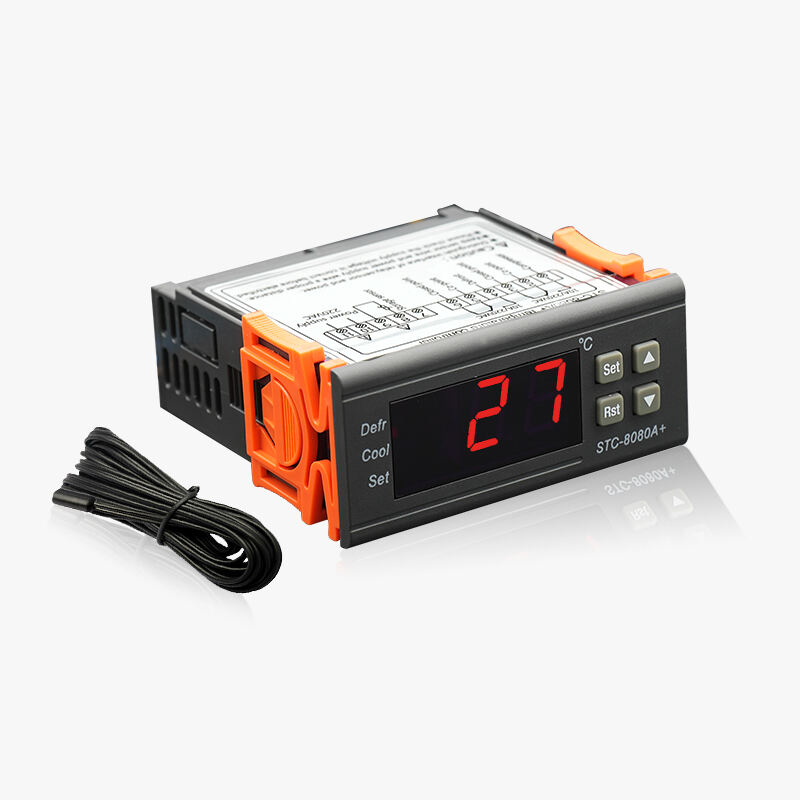
The choice between digital and analog temperature control systems represents a critical decision point that can significantly impact your facility's operational efficiency, energy costs, and product quality. While analog temperature controllers have served industries for decades, the compelling advantages of digital temperature controller technology have made the transition not just beneficial, but essential for competitive operations in today's demanding industrial landscape.
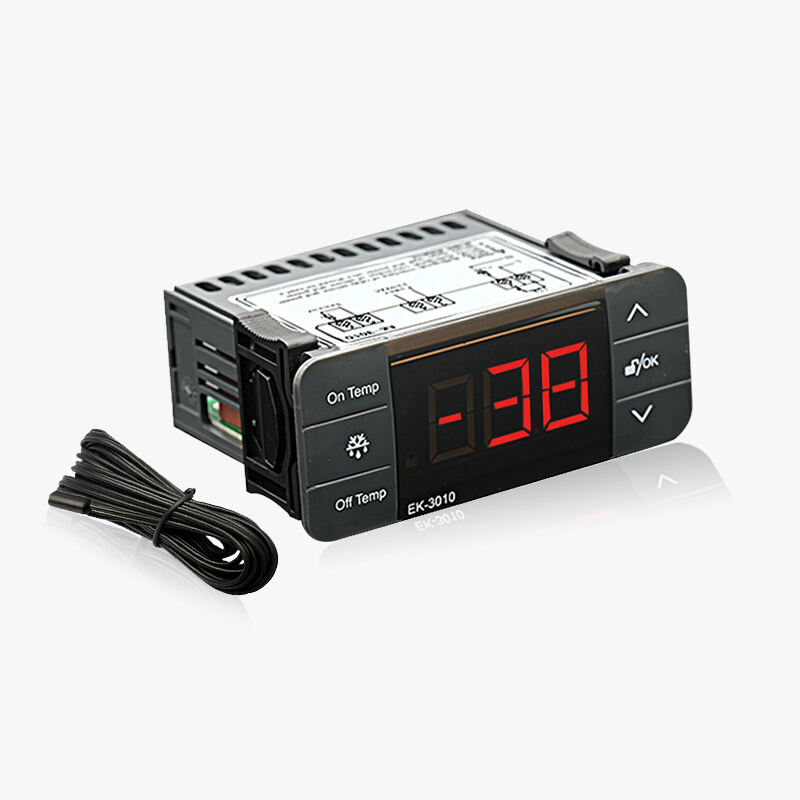
Modern facilities face unprecedented pressure to optimize energy consumption, maintain precise environmental conditions, and reduce operational costs while ensuring compliance with increasingly stringent quality standards. The fundamental limitations of analog systems—including temperature drift, limited accuracy, and lack of data logging capabilities—create operational bottlenecks that directly impact your bottom line. Understanding why digital temperature controller systems have become the industry standard requires examining the specific technical and economic advantages that drive this technological shift.
Precision and Accuracy Advantages of Digital Systems
Superior Temperature Stability and Control Range
Digital temperature controller systems deliver precision levels that analog systems simply cannot match, typically achieving accuracy within ±0.1°C compared to analog systems that often struggle to maintain ±1°C or wider tolerances. This enhanced precision stems from advanced microprocessor-based control algorithms that continuously monitor and adjust system parameters in real-time. The improved accuracy directly translates to better product quality, reduced waste, and more consistent manufacturing outcomes across your facility operations.
The control stability offered by digital temperature controller technology eliminates the temperature fluctuations common in analog systems, which can cause costly product variations or equipment stress. Digital controllers maintain setpoint accuracy even under varying load conditions, ambient temperature changes, or system disturbances that would typically cause analog controllers to drift significantly from target values.
Advanced Sensing and Feedback Mechanisms
Digital temperature controller units incorporate sophisticated sensor integration capabilities that enable multiple input types, including thermocouples, RTDs, and thermistors, with automatic sensor compensation for lead resistance and ambient temperature effects. This versatility allows facilities to optimize sensor selection based on specific application requirements rather than being limited to basic sensor types supported by analog systems.
The feedback mechanisms in digital systems provide continuous system diagnostics and sensor validation, immediately alerting operators to sensor degradation, wiring issues, or calibration drift before these problems affect process control. This proactive approach to system monitoring prevents the gradual performance degradation that often goes unnoticed in analog systems until significant process problems emerge.
Economic Benefits and Operational Efficiency
Energy Consumption Optimization
Digital temperature controller systems incorporate intelligent control algorithms such as PID (Proportional-Integral-Derivative) tuning that optimize energy usage by minimizing overshoot, reducing cycle times, and eliminating the constant hunting behavior typical of analog controllers. These efficiency improvements typically result in 15-30% energy savings compared to analog systems, with payback periods often occurring within 12-18 months of installation.
The adaptive control capabilities of digital systems automatically adjust control parameters based on system load conditions, ambient factors, and process requirements, ensuring optimal energy utilization throughout varying operational cycles. This dynamic optimization capability represents a fundamental advantage over analog controllers, which operate with fixed parameters regardless of changing conditions.
Maintenance Cost Reduction and System Longevity
Digital temperature controller technology significantly reduces maintenance requirements through self-diagnostic capabilities that identify potential issues before they cause system failures. Predictive maintenance features monitor system performance trends, component aging, and operational parameters to schedule maintenance activities during planned downtime rather than responding to unexpected failures.
The solid-state electronics used in digital controllers eliminate the mechanical wear components common in analog systems, such as relay contacts, mechanical switches, and analog meters that require regular adjustment and replacement. This improved reliability translates to reduced service calls, fewer replacement parts, and extended system operational life compared to analog alternatives.
Data Integration and Process Monitoring Capabilities
Real-Time Data Logging and Analysis
Modern digital temperature controller systems provide comprehensive data logging capabilities that capture temperature profiles, setpoint changes, alarm events, and system performance metrics with timestamp accuracy that enables detailed process analysis and optimization. This data visibility allows facility managers to identify process inefficiencies, validate product quality protocols, and demonstrate regulatory compliance through comprehensive documentation.
The integration of digital controllers with facility management systems enables centralized monitoring and control across multiple zones or processes, providing operational visibility that would require extensive additional hardware and wiring with analog systems. Remote monitoring capabilities allow operators to track system performance, receive alarm notifications, and adjust parameters from central control rooms or even mobile devices.
Compliance and Quality Assurance Benefits
Digital temperature controller systems automatically generate the detailed documentation required for regulatory compliance in industries such as pharmaceuticals, food processing, and healthcare facilities. The ability to provide complete temperature histories, calibration records, and alarm logs eliminates the manual record-keeping burden associated with analog systems while ensuring data accuracy and integrity.
Quality assurance processes benefit significantly from the traceability and validation capabilities built into digital temperature controller systems. The ability to correlate product quality metrics with precise temperature control data enables continuous process improvement and helps identify the root causes of quality variations that might be attributed to temperature control inconsistencies.
Implementation Strategy and System Integration
Retrofit Considerations and Compatibility
Upgrading from analog to digital temperature controller systems typically involves straightforward retrofit processes that utilize existing sensor wiring and control panel spaces while providing immediate operational improvements. Most digital controllers are designed with standard mounting dimensions and connection terminals that simplify installation and reduce conversion costs compared to complete system replacements.
The modular design of digital temperature controller units allows for phased implementation strategies that enable facilities to upgrade critical processes first while maintaining existing analog systems in less critical applications. This approach spreads implementation costs over time while demonstrating the benefits of digital control to justify continued upgrades across the facility.
Training and Operational Transition
Digital temperature controller systems feature intuitive user interfaces with clear displays and menu-driven programming that simplify operator training compared to analog systems requiring specialized knowledge of mechanical adjustments and calibration procedures. The consistent interface design across digital controller models reduces training complexity when facilities standardize on digital control platforms.
The diagnostic and troubleshooting capabilities built into digital controllers reduce the specialized technical knowledge required for system maintenance, enabling facility maintenance staff to identify and resolve issues that would previously require external service technicians. This operational independence reduces service costs and minimizes downtime associated with waiting for specialized technical support.
Future-Proofing and Technology Evolution
Connectivity and Industry 4.0 Integration
Digital temperature controller technology provides the foundation for Industry 4.0 initiatives through built-in communication protocols that enable integration with enterprise resource planning systems, predictive analytics platforms, and automated reporting systems. This connectivity capability positions facilities to leverage emerging technologies such as machine learning optimization and predictive maintenance without requiring additional control system investments.
The software-based functionality of digital controllers enables feature updates and capability enhancements through firmware upgrades rather than hardware replacements, ensuring that control systems can evolve with changing facility requirements and technological advances. This upgrade capability protects technology investments while enabling continuous improvement in system performance and functionality.
Scalability and Expansion Considerations
Digital temperature controller systems support scalable architecture that accommodates facility expansion without requiring fundamental changes to control philosophy or operator training. The standardized communication protocols and programming interfaces enable consistent system behavior across multiple controller installations, simplifying expansion projects and reducing engineering costs.
The flexibility of digital control platforms allows facilities to adapt control strategies to changing process requirements, product specifications, or regulatory demands without hardware modifications. This adaptability ensures that temperature control investments continue to provide value as facility operations evolve and expand over time.
FAQ
What is the typical cost difference between digital and analog temperature controllers?
Digital temperature controller systems typically cost 20-40% more than analog controllers initially, but the total cost of ownership is usually lower due to reduced energy consumption, lower maintenance requirements, and improved process efficiency. Most facilities see payback within 12-24 months through operational savings and reduced downtime costs.
How difficult is it to retrofit existing analog systems with digital controllers?
Retrofitting analog systems with digital temperature controller units is typically straightforward since most digital controllers use standard mounting dimensions and can connect to existing sensor wiring. The main considerations involve programming the digital controller parameters and training operators on the new interface, which usually requires 1-2 days per installation.
Do digital temperature controllers require special maintenance or technical expertise?
Digital temperature controller systems actually require less maintenance than analog systems due to solid-state electronics and self-diagnostic capabilities. Basic operational training enables most facility maintenance staff to handle routine troubleshooting and parameter adjustments, though initial programming may benefit from technical support during installation.
Can digital controllers integrate with existing building management systems?
Modern digital temperature controller units typically include multiple communication protocol options such as Modbus, BACnet, or Ethernet connectivity that enable integration with most building management systems. This integration capability allows centralized monitoring and control while maintaining local controller autonomy for critical temperature control functions.
Table of Contents
- Precision and Accuracy Advantages of Digital Systems
- Economic Benefits and Operational Efficiency
- Data Integration and Process Monitoring Capabilities
- Implementation Strategy and System Integration
- Future-Proofing and Technology Evolution
-
FAQ
- What is the typical cost difference between digital and analog temperature controllers?
- How difficult is it to retrofit existing analog systems with digital controllers?
- Do digital temperature controllers require special maintenance or technical expertise?
- Can digital controllers integrate with existing building management systems?