refrigeration temperature controller
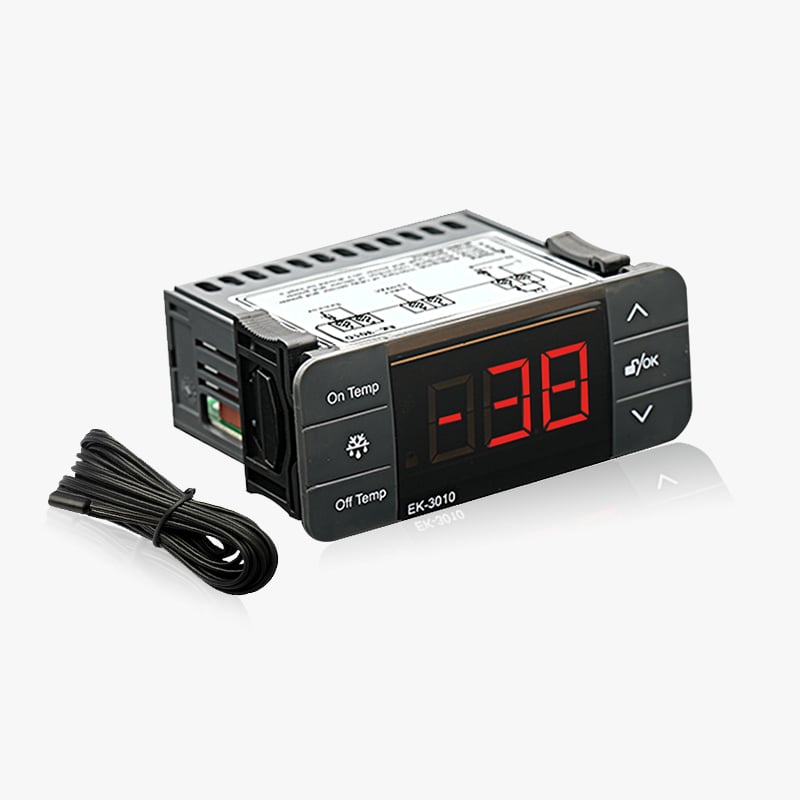
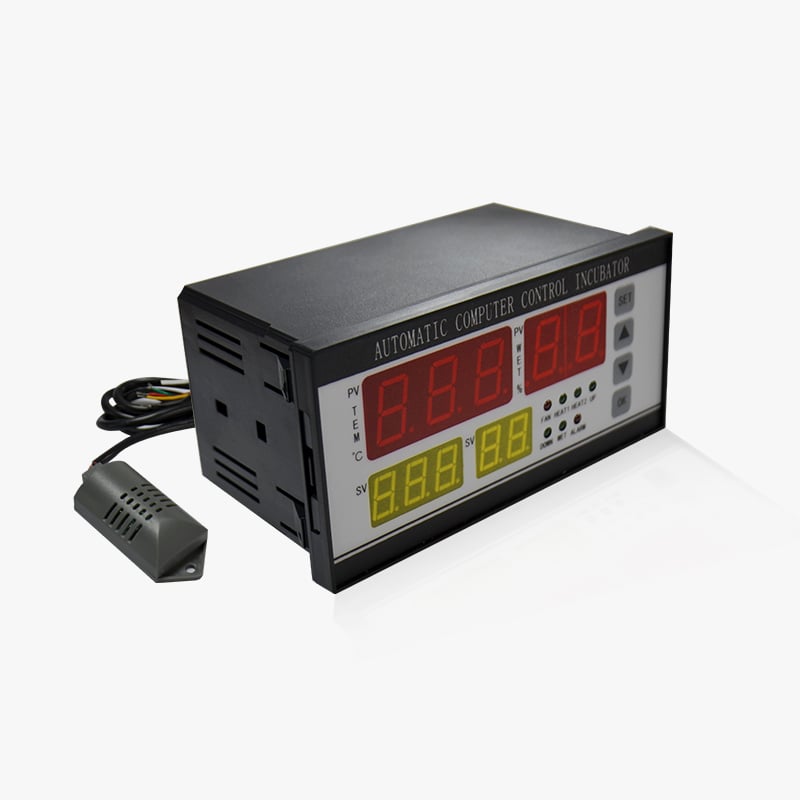
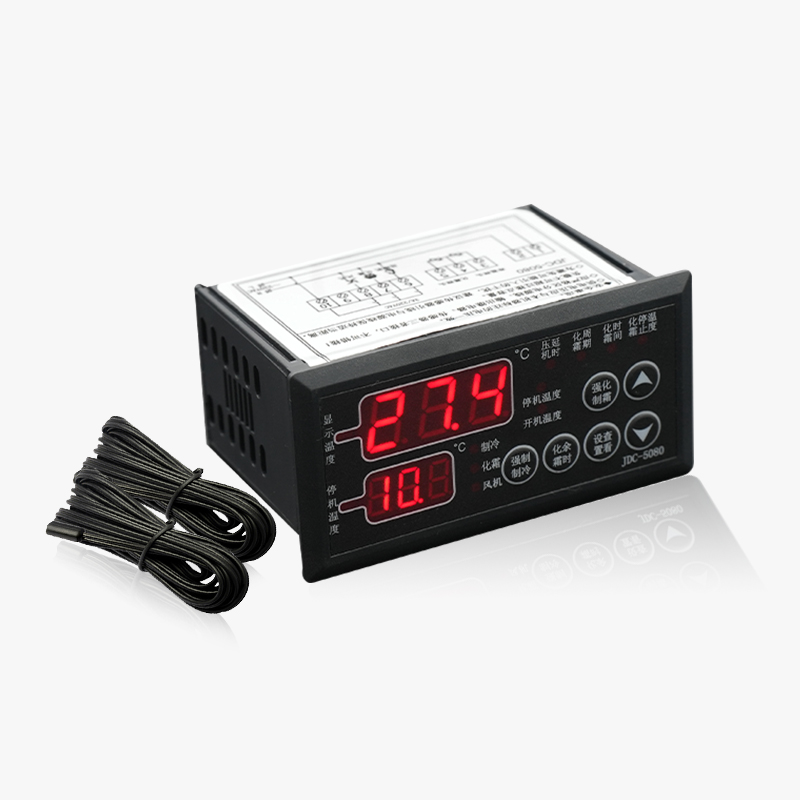
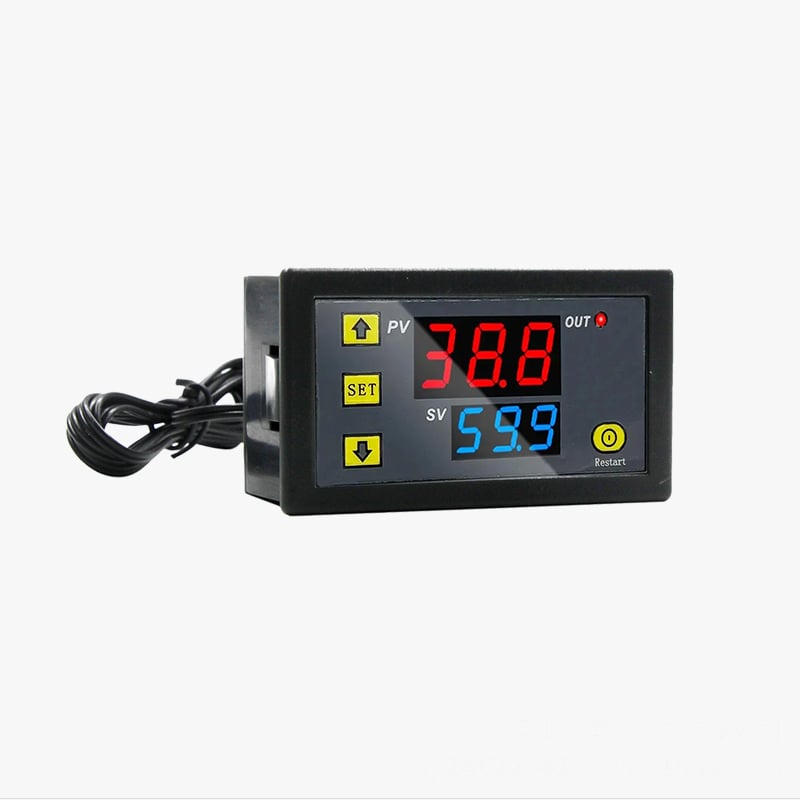
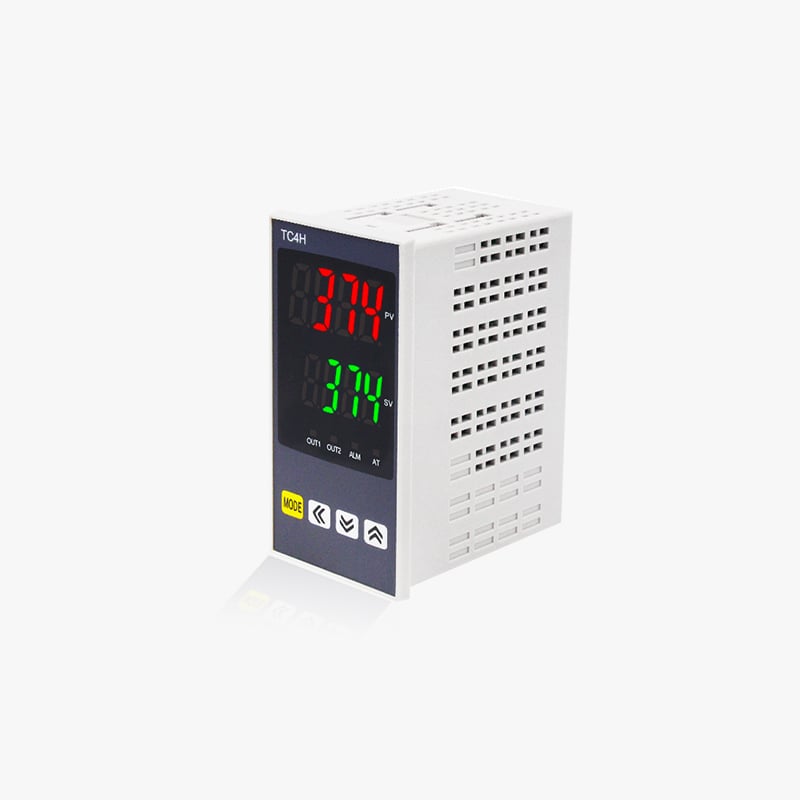
A refrigeration temperature controller is an essential device designed to maintain precise temperature levels in refrigeration systems. This sophisticated equipment automatically regulates cooling cycles to ensure consistent, optimal temperatures within storage units, walk-in coolers, and commercial refrigeration systems. The refrigeration temperature controller operates by monitoring internal temperatures through sensors and adjusting compressor operation to prevent temperature fluctuations.
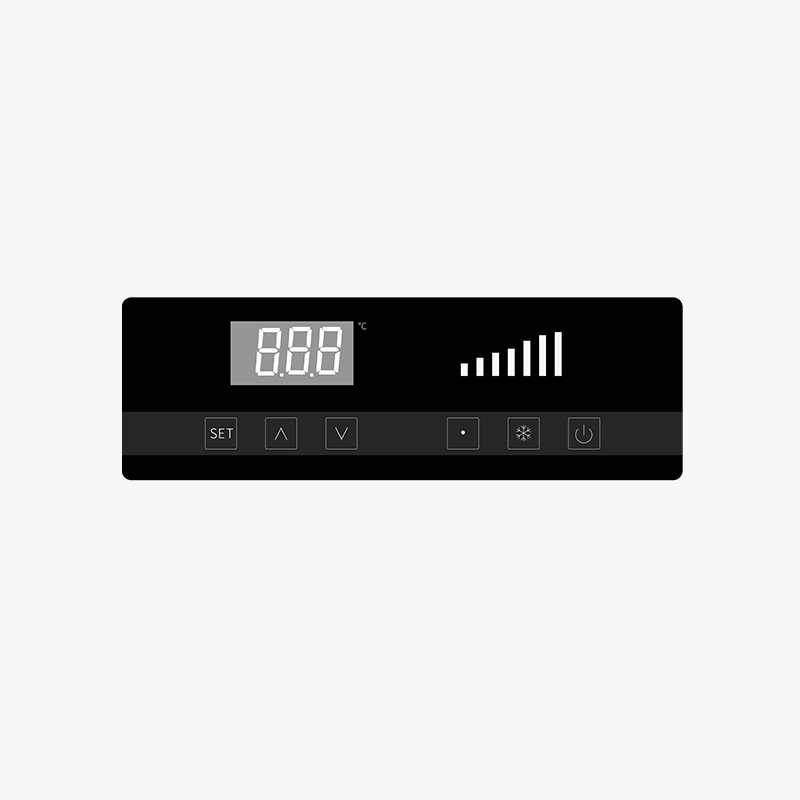
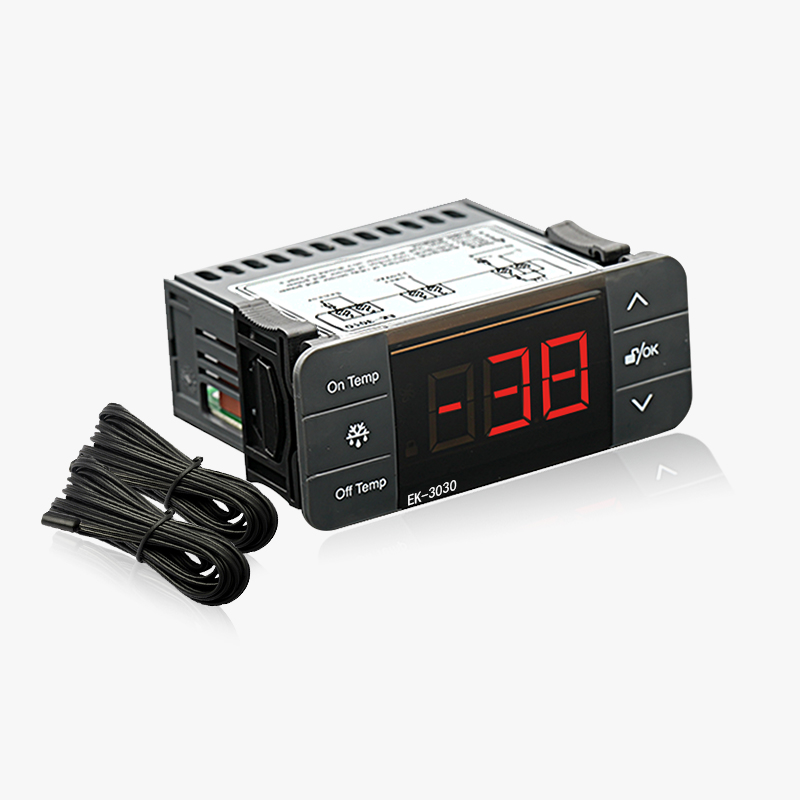
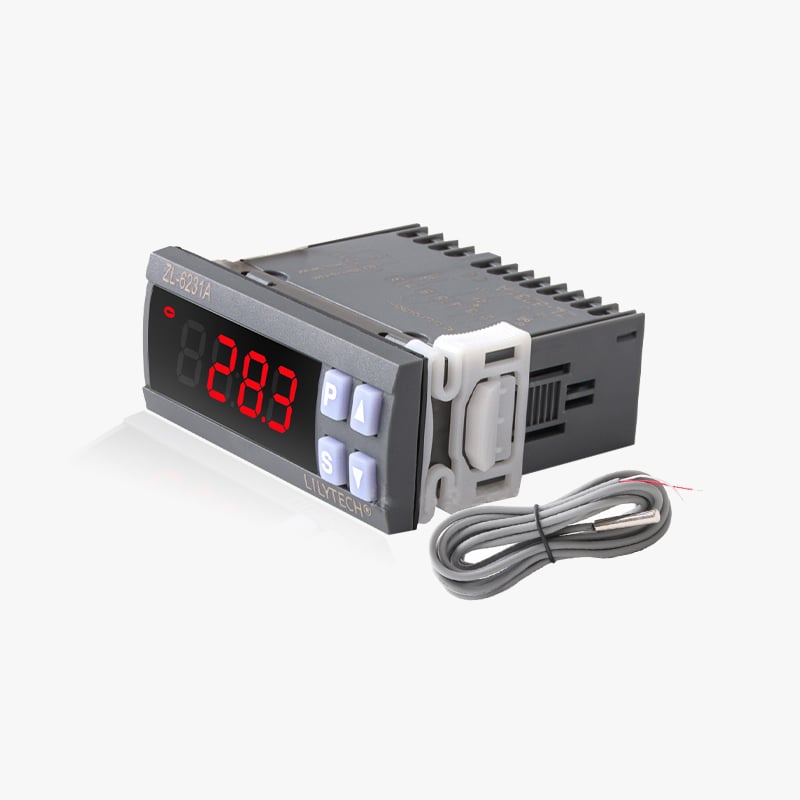
The primary function of a refrigeration temperature controller involves sensing ambient conditions and activating or deactivating refrigeration equipment as needed. Modern refrigeration temperature controller units feature digital displays, programmable setpoints, and alarm systems that alert operators to temperature deviations. These controllers utilize thermistor or resistance temperature detectors to provide accurate readings, ensuring food safety and product quality preservation.
Key technological features include microprocessor-based control systems, multiple sensor inputs, and relay outputs that communicate with compressors and fans. Advanced refrigeration temperature controller models offer remote monitoring capabilities, data logging functions, and integration with building management systems. The technology enables energy-efficient operation by preventing unnecessary compressor cycling while maintaining strict temperature parameters.
Applications for refrigeration temperature controller systems span diverse industries including food storage, pharmaceutical distribution, laboratory environments, and commercial kitchens. Grocery stores, restaurants, hospitals, and food processing facilities depend on reliable refrigeration temperature controller equipment to maintain product integrity and regulatory compliance. These controllers protect valuable inventory while ensuring consumer safety and reducing spoilage-related losses.