
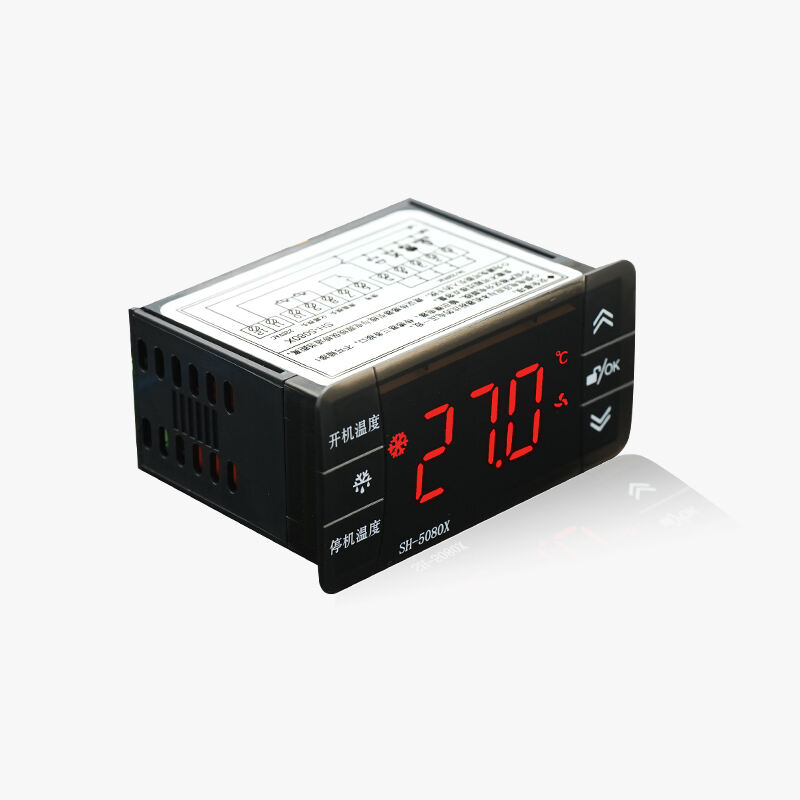
Digital temperature control units are essential components in industrial processes, laboratory equipment, and commercial applications where precise thermal management is critical. When these sophisticated systems experience malfunctions, operators must quickly identify and resolve issues to prevent costly downtime and maintain product quality. Understanding the most frequent problems that affect digital temperature controller performance enables maintenance teams to implement effective diagnostic procedures and corrective actions.
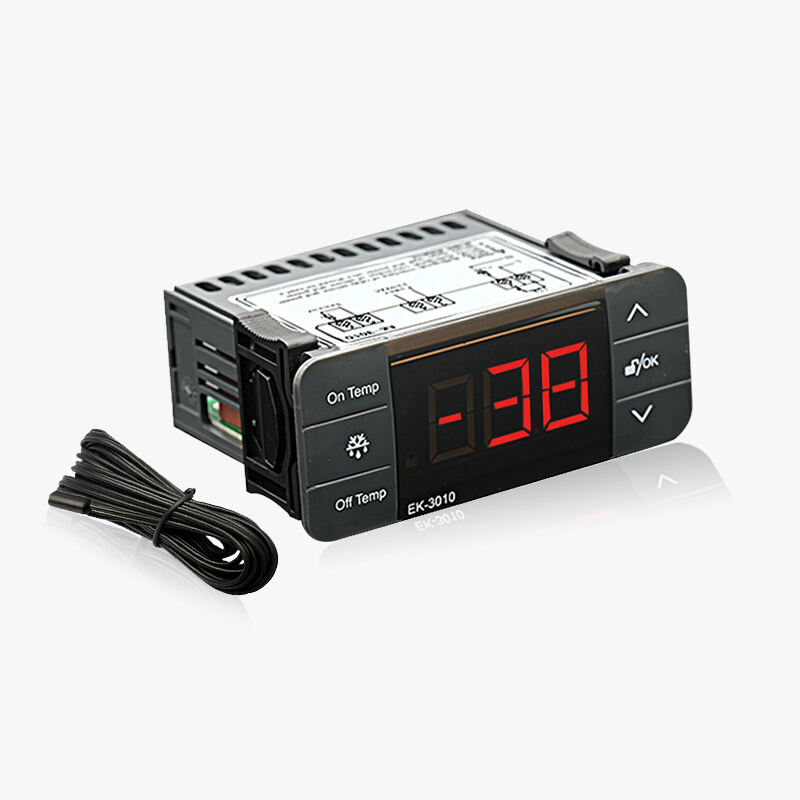
Effective troubleshooting requires systematic approaches that address both hardware and software components of digital temperature controller systems. Modern units integrate microprocessors, sensor interfaces, output relays, and communication protocols that can each contribute to operational failures. By examining symptom patterns, verifying electrical connections, and analyzing control parameters, technicians can isolate root causes and restore optimal temperature regulation functionality across diverse industrial environments.
Display and Interface Problems
Blank or Unresponsive Screen Issues
A blank display represents one of the most common problems encountered with digital temperature controller units, often indicating power supply failures or internal component damage. Technicians should first verify that the unit receives proper voltage by measuring input terminals with a multimeter, checking for loose connections at terminal blocks, and inspecting power supply circuits for signs of overheating or component degradation. Many modern digital temperature controllers require specific voltage ranges, and fluctuations outside acceptable parameters can cause display blackouts or intermittent operation.
When power supply verification confirms adequate voltage delivery, internal display driver circuits may have failed due to electrical surges, moisture ingress, or component aging. The digital temperature controller microprocessor communicates with LCD or LED displays through dedicated driver chips that can malfunction independently of the main control system. Replacing these components typically requires manufacturer service or complete unit replacement, making prevention through proper surge protection and environmental controls essential for long-term reliability.
Incorrect Display Readings and Calibration Drift
Display accuracy problems manifest as temperature readings that deviate from actual measured values, creating potential safety hazards and process control failures. Digital temperature controller calibration can drift over time due to component aging, thermal stress, or electrical interference from nearby equipment. Operators should regularly compare controller readings against calibrated reference thermometers to identify gradual drift patterns that require corrective action.
Environmental factors significantly impact display accuracy in digital temperature controller applications, particularly electromagnetic interference from motor drives, welding equipment, or radio frequency sources. Proper grounding techniques, shielded cables, and physical separation from interference sources help maintain measurement integrity. Additionally, ambient temperature extremes can affect internal reference voltages and analog-to-digital converter performance, necessitating installation in climate-controlled enclosures when operating conditions exceed manufacturer specifications.
Sensor Connection and Signal Issues
Thermocouple and RTD Wiring Problems
Faulty sensor connections represent the leading cause of temperature measurement errors in digital temperature controller installations, with loose terminals, corroded contacts, and damaged cables creating intermittent or completely erroneous readings. Thermocouple connections require proper polarity and compensation for junction effects, while RTD sensors need precise resistance measurements that deteriorate with poor electrical contacts. Regular inspection of sensor wiring includes checking terminal tightness, measuring continuity across cable runs, and verifying proper shielding connections to prevent noise interference.
Extension cable compatibility issues frequently compromise digital temperature controller accuracy when installers use incorrect wire types or exceed maximum cable lengths. Thermocouple extension cables must match the sensor type exactly, while RTD installations require low-resistance conductors to minimize measurement errors. Cable routing through areas with high electromagnetic interference can induce noise signals that corrupt temperature readings, requiring proper grounding and shielded cable installation techniques to maintain signal integrity.
Sensor Calibration and Range Mismatches
Incorrect sensor configuration within digital temperature controller programming creates systematic measurement errors that can persist undetected for extended periods. Each sensor type requires specific input ranges, linearization curves, and compensation parameters that must match the installed hardware exactly. Operators should verify that controller programming reflects actual sensor specifications, including temperature ranges, accuracy classes, and electrical characteristics defined by manufacturer documentation.
Sensor degradation occurs gradually in harsh industrial environments where exposure to corrosive chemicals, extreme temperatures, or mechanical vibration affects measurement accuracy. The digital temperature controller cannot distinguish between actual temperature changes and sensor drift, making periodic calibration verification essential for critical applications. Implementing redundant sensors and comparison monitoring helps identify failing components before they compromise process control or safety systems.
Output Control and Relay Failures
Heating and Cooling Output Malfunctions
Output relay failures prevent digital temperature controller systems from properly activating heating or cooling equipment, resulting in uncontrolled temperature excursions that can damage products or create safety hazards. Mechanical relays experience contact wear, coil burnout, and spring fatigue that manifests as stuck contacts, failure to energize, or inconsistent switching behavior. Technicians can diagnose relay problems by measuring coil resistance, verifying contact continuity, and monitoring switching performance under load conditions.
Solid-state output modules in advanced digital temperature controller designs eliminate mechanical wear but introduce different failure modes including thermal damage, voltage transients, and semiconductor junction degradation. These outputs require proper heat sinking, surge protection, and load matching to prevent premature failure. Diagnostic procedures include measuring output voltage under no-load and full-load conditions, checking thermal performance with infrared thermometry, and verifying gate drive signals with oscilloscope analysis.
PID Control Parameter Issues
Improperly tuned PID control parameters cause digital temperature controller systems to exhibit oscillation, overshoot, or sluggish response characteristics that compromise process stability and energy efficiency. Proportional gain settings that are too high create oscillating behavior, while insufficient gain results in large steady-state errors and poor disturbance rejection. Integral time constants affect how quickly the controller eliminates offset errors, and derivative settings influence response to rapid temperature changes.
Auto-tuning features in modern digital temperature controllers can simplify parameter optimization but may produce suboptimal results in systems with significant thermal lag, variable loads, or non-linear characteristics. Manual tuning procedures require systematic adjustment of individual parameters while monitoring system response to setpoint changes and load disturbances. Documentation of optimal parameter sets enables quick restoration after controller replacement or programming errors.
Communication and Network Problems
Serial Interface and Protocol Errors
Communication failures between digital temperature controller units and supervisory control systems create monitoring gaps and prevent remote parameter adjustment capabilities. Serial communication protocols including Modbus RTU, DeviceNet, and Profibus require precise timing, proper termination, and error-free data transmission to maintain reliable network operation. Common problems include baud rate mismatches, parity setting errors, and network address conflicts that prevent successful data exchange.
Physical layer issues affect digital temperature controller network reliability through cable quality, connector problems, and electrical noise interference. RS-485 networks require proper impedance termination at network endpoints, while voltage drop across long cable runs can corrupt data signals. Diagnostic tools including protocol analyzers and network testers help identify communication errors, timing violations, and signal quality problems that compromise system integration.
Data Logging and Memory Corruption
Internal memory failures in digital temperature controller systems can corrupt stored parameters, alarm settings, and historical data logs that are essential for process documentation and regulatory compliance. Flash memory components experience wear leveling limitations and data retention problems that manifest as parameter corruption, program loss, or inability to store new configuration data. Regular backup procedures and parameter documentation help minimize recovery time when memory corruption occurs.
Power supply interruptions during write operations can corrupt digital temperature controller memory contents, particularly in systems without battery backup or capacitive power hold-up circuits. Implementing uninterruptible power supplies and proper shutdown sequences protects critical parameter data and prevents system initialization failures. Memory diagnostic functions built into advanced controllers can identify marginal components before complete failure occurs.
Environmental and Power Supply Challenges
Temperature and Humidity Effects
Extreme environmental conditions significantly impact digital temperature controller reliability and accuracy through component stress, condensation formation, and thermal expansion effects. High ambient temperatures can cause internal component overheating, particularly in compact enclosures with inadequate ventilation or heat dissipation. Proper installation requires consideration of controller heat generation, ambient temperature limits, and ventilation requirements specified by manufacturer documentation.
Moisture ingress creates corrosion problems, electrical leakage, and component degradation that can cause gradual performance deterioration or sudden failure in digital temperature controller installations. Proper enclosure sealing, desiccant packs, and environmental monitoring help prevent moisture-related problems in humid or condensing environments. NEMA ratings and IP protection classifications provide standardized guidelines for selecting appropriate enclosure protection levels based on installation conditions.
Power Quality and Electrical Noise
Poor power quality conditions including voltage sags, surges, harmonics, and electrical noise can cause erratic behavior, component damage, or complete failure in digital temperature controller systems. Microprocessor-based controllers are particularly sensitive to supply voltage variations and electromagnetic interference from nearby industrial equipment. Installing power conditioning equipment including surge suppressors, isolation transformers, and EMI filters helps protect sensitive electronic components from power quality disturbances.
Grounding system problems create noise coupling paths and safety hazards that affect digital temperature controller operation and personnel protection. Proper grounding techniques include single-point grounding for signal circuits, equipment grounding for safety, and isolation of analog and digital ground systems to prevent noise coupling. Ground loop elimination requires careful attention to cable routing, shield termination, and isolation transformer installation in complex multi-device systems.
FAQ
Why does my digital temperature controller display show erratic readings?
Erratic display readings typically result from sensor connection problems, electromagnetic interference, or power supply issues affecting the digital temperature controller input circuits. Check sensor wiring for loose connections, verify proper grounding and shielding, and measure supply voltage stability. Environmental factors such as vibration, moisture, or temperature extremes can also cause intermittent sensor problems that manifest as unstable readings.
How can I determine if the output relays in my digital temperature controller have failed?
Test output relay functionality by measuring coil resistance with a multimeter when the digital temperature controller is de-energized, then verify contact continuity during switching operations. Listen for audible relay clicking during output state changes, and measure voltage across relay contacts under both no-load and full-load conditions. Stuck contacts or coil burnout are common failure modes that require relay replacement or controller service.
What causes communication errors between my digital temperature controller and monitoring system?
Communication errors typically stem from incorrect protocol settings, network wiring problems, or electromagnetic interference affecting data transmission. Verify baud rate, parity, and address settings match between the digital temperature controller and host system. Check network cable quality, termination resistors, and grounding connections. Use protocol analyzer tools to identify specific error types and timing violations that prevent successful data exchange.
When should I replace rather than repair a malfunctioning digital temperature controller?
Consider replacement when repair costs exceed 60-70% of new equipment cost, when critical internal components like microprocessors or memory have failed, or when the unit lacks modern communication capabilities required for system integration. Age-related component obsolescence and lack of manufacturer support also favor replacement over repair. Evaluate total cost of ownership including energy efficiency, reliability improvements, and enhanced functionality available in newer digital temperature controller models.
Table of Contents
- Display and Interface Problems
- Sensor Connection and Signal Issues
- Output Control and Relay Failures
- Communication and Network Problems
- Environmental and Power Supply Challenges
-
FAQ
- Why does my digital temperature controller display show erratic readings?
- How can I determine if the output relays in my digital temperature controller have failed?
- What causes communication errors between my digital temperature controller and monitoring system?
- When should I replace rather than repair a malfunctioning digital temperature controller?