
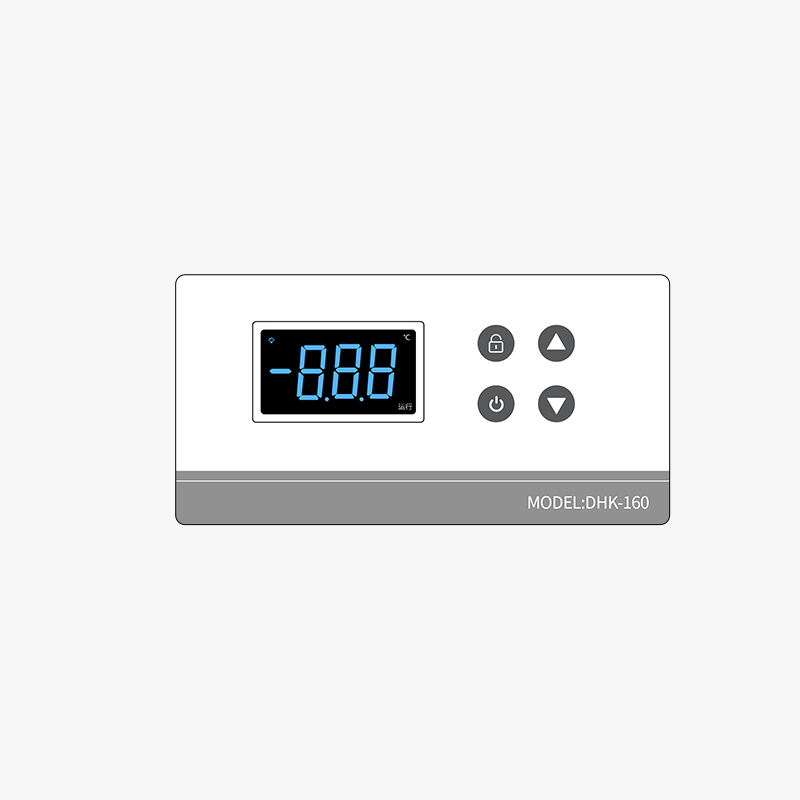
Manufacturing operations in 2026 demand unprecedented precision in temperature management, driving the evolution of advanced digital temperature control systems. As industrial processes become more sophisticated and quality standards continue to rise, selecting the right digital temperature controller has become critical for maintaining operational efficiency and product consistency. The landscape of temperature control technology has transformed dramatically, with modern systems offering enhanced connectivity, predictive capabilities, and integration features that were unimaginable just a few years ago.
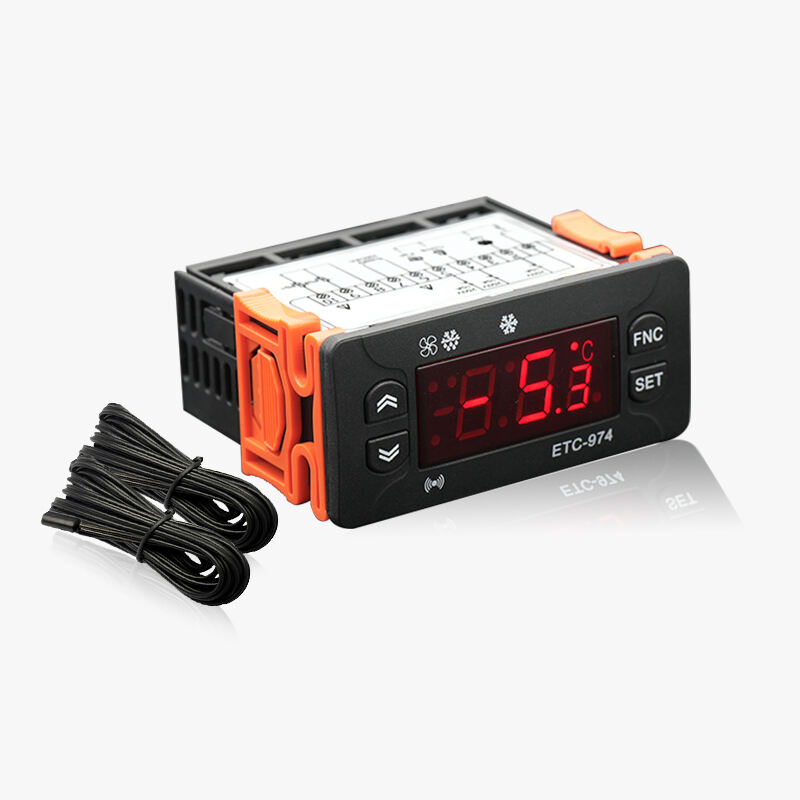
Today's manufacturing environment requires temperature control solutions that deliver exceptional accuracy, reliability, and seamless integration with existing production systems. The top digital temperature control systems of 2026 represent a convergence of cutting-edge sensor technology, artificial intelligence, and robust industrial design. These systems not only maintain precise temperature parameters but also provide comprehensive data analytics, predictive maintenance capabilities, and enhanced safety features that protect both equipment and personnel while optimizing energy consumption and operational costs.
Advanced Control Technologies Defining 2026 Systems
Intelligent Algorithm Integration
The most sophisticated digital temperature controller systems of 2026 incorporate advanced control algorithms that adapt to changing process conditions in real-time. These intelligent systems utilize machine learning capabilities to optimize control parameters automatically, reducing temperature overshoot and minimizing settling times. The integration of predictive algorithms allows these controllers to anticipate temperature fluctuations before they occur, maintaining tighter control tolerances than traditional PID systems.
Modern adaptive control technologies analyze historical temperature data, process variables, and environmental conditions to continuously refine their control strategies. This self-learning capability ensures that each digital temperature controller becomes more efficient over time, adapting to seasonal variations, equipment aging, and changing production requirements without manual intervention from operators.
The implementation of fuzzy logic and neural network technologies in contemporary temperature control systems enables them to handle complex, non-linear processes with exceptional precision. These advanced algorithms can manage multiple input variables simultaneously, making them ideal for sophisticated manufacturing processes where temperature control interacts with pressure, humidity, and other critical parameters.
Enhanced Sensor Integration and Accuracy
Leading digital temperature control systems in 2026 feature advanced sensor integration capabilities that support multiple sensor types and configurations. These systems can simultaneously process inputs from thermocouples, RTDs, thermistors, and infrared sensors, providing comprehensive temperature monitoring across complex manufacturing processes. The enhanced sensor fusion algorithms ensure maximum accuracy and redundancy, eliminating single points of failure in critical applications.
The precision of modern temperature sensors has reached new levels, with many systems achieving accuracy within ±0.1°C or better across their entire operating range. This exceptional precision is maintained through advanced calibration routines, temperature compensation algorithms, and drift correction mechanisms that ensure long-term stability and reliability in demanding industrial environments.
Multi-zone temperature control capabilities have become standard in top-tier systems, allowing a single digital temperature controller to manage multiple temperature zones independently. This functionality reduces system complexity, lowers installation costs, and provides centralized control and monitoring for multi-stage manufacturing processes.
Connectivity and Industry 4.0 Integration
Advanced Communication Protocols
The digital temperature controller systems leading the market in 2026 offer comprehensive connectivity options that seamlessly integrate with modern manufacturing execution systems and enterprise resource planning platforms. These controllers support multiple communication protocols including Ethernet/IP, Modbus TCP, PROFINET, and wireless standards, enabling flexible integration into existing automation infrastructures without extensive rewiring or system modifications.
Cloud connectivity has become a defining feature of advanced temperature control systems, allowing remote monitoring, configuration, and diagnostics from anywhere in the world. This capability enables predictive maintenance programs, reduces downtime through early fault detection, and provides valuable insights into process optimization opportunities through comprehensive data analytics.
The integration of cybersecurity features has become paramount in connected temperature control systems. Leading manufacturers implement robust encryption, secure authentication protocols, and regular security updates to protect against cyber threats while maintaining the benefits of connected operations and remote access capabilities.
Real-Time Data Analytics and Reporting
Modern digital temperature controller systems provide sophisticated data logging and analytics capabilities that transform raw temperature data into actionable insights. These systems can store months or years of historical data locally while simultaneously streaming real-time information to cloud-based analytics platforms for advanced processing and trend analysis.
Customizable reporting features allow operators and management to generate detailed performance reports, compliance documentation, and efficiency metrics tailored to specific requirements. The ability to correlate temperature data with production metrics, energy consumption, and quality parameters provides comprehensive visibility into process performance and optimization opportunities.
Advanced alarm and notification systems ensure that critical temperature deviations are communicated immediately to relevant personnel through multiple channels including email, SMS, and mobile applications. These intelligent notification systems can differentiate between minor fluctuations and critical alarms, reducing false alerts while ensuring prompt response to genuine issues.
Energy Efficiency and Sustainability Features
Optimized Control Strategies
The top digital temperature control systems of 2026 incorporate sophisticated energy optimization algorithms that minimize power consumption while maintaining precise temperature control. These systems analyze heating and cooling patterns, ambient conditions, and production schedules to optimize energy usage throughout the manufacturing process, resulting in significant cost savings and reduced environmental impact.
Smart scheduling features allow digital temperature controller systems to automatically adjust setpoints based on production schedules, reducing energy consumption during non-production periods while ensuring rapid recovery to operating temperatures when production resumes. This intelligent scheduling can reduce energy costs by 15-30% while maintaining full operational readiness.
Advanced heat recovery and thermal management features enable these systems to capture and redirect waste heat for other process applications, further improving overall energy efficiency. The integration of thermal modeling and predictive algorithms helps optimize the entire thermal system for maximum efficiency and minimum waste.
Environmental Impact Optimization
Leading temperature control systems incorporate environmental sensors and algorithms that adjust control strategies based on ambient conditions, seasonal variations, and weather forecasts. This environmental awareness enables the digital temperature controller to optimize performance while minimizing energy consumption and environmental impact throughout changing conditions.
Carbon footprint tracking and reporting features provide detailed insights into the environmental impact of temperature control operations, enabling manufacturers to meet sustainability targets and regulatory requirements. These systems can generate comprehensive environmental reports that support green manufacturing initiatives and corporate sustainability programs.
The integration of renewable energy sources and smart grid compatibility allows modern temperature control systems to optimize energy consumption based on grid conditions and renewable energy availability, further reducing environmental impact while potentially reducing energy costs through smart grid participation programs.
Safety and Compliance Capabilities
Advanced Safety Systems
The most sophisticated digital temperature controller systems of 2026 incorporate multiple layers of safety protection to prevent equipment damage and ensure personnel safety. These systems feature independent safety circuits, fail-safe operation modes, and redundant sensors that maintain safe operation even in the event of component failures or communication disruptions.
Advanced safety algorithms continuously monitor system performance and can automatically implement protective measures when abnormal conditions are detected. These intelligent safety systems can differentiate between temporary fluctuations and genuine safety threats, minimizing false shutdowns while ensuring immediate protection when necessary.
Integration with facility safety systems allows digital temperature controllers to coordinate with fire suppression systems, emergency shutdown procedures, and personnel safety protocols. This comprehensive safety integration ensures that temperature control systems enhance rather than compromise overall facility safety.
Regulatory Compliance and Documentation
Leading temperature control systems provide comprehensive compliance features that simplify adherence to industry regulations and quality standards. These systems automatically generate the documentation required for regulatory audits, including temperature logs, calibration records, and alarm histories with tamper-evident electronic signatures.
Advanced validation features support qualification protocols for regulated industries, providing the documentation and testing capabilities required for IQ/OQ/PQ validation processes. The digital temperature controller systems include built-in test routines, calibration verification, and performance qualification tools that streamline validation activities.
Traceability features ensure that all temperature data, configuration changes, and maintenance activities are permanently recorded with detailed audit trails. This comprehensive traceability supports quality management systems and provides the documentation necessary for regulatory compliance and quality certifications.
Installation and Maintenance Optimization
Simplified Installation and Configuration
Modern digital temperature control systems feature intuitive setup wizards and auto-configuration capabilities that significantly reduce installation time and complexity. These systems can automatically detect connected sensors, suggest optimal control parameters, and guide users through the configuration process with step-by-step instructions and built-in help systems.
Plug-and-play connectivity options and standardized mounting systems enable rapid installation and replacement of digital temperature controller units. The use of standard communication protocols and connector types ensures compatibility with existing infrastructure and simplifies system expansion or upgrades.
Advanced commissioning tools allow technicians to verify system performance, calibrate sensors, and optimize control parameters using tablet-based interfaces and wireless connectivity. These tools provide real-time feedback during installation and commissioning, ensuring optimal performance from the moment the system becomes operational.
Predictive Maintenance and Diagnostics
The top digital temperature controller systems of 2026 incorporate sophisticated diagnostic capabilities that continuously monitor system health and predict maintenance requirements. These systems can identify developing issues such as sensor drift, valve problems, or communication errors before they impact process performance or cause system failures.
Advanced trend analysis algorithms examine long-term performance data to identify gradual changes in system behavior that may indicate impending maintenance needs. This predictive capability allows maintenance activities to be scheduled during planned downtime, minimizing disruption to production operations while ensuring optimal system performance.
Remote diagnostic capabilities enable expert technicians to troubleshoot and resolve issues without visiting the facility, reducing response times and maintenance costs. The combination of remote access, comprehensive diagnostic data, and expert support systems ensures rapid resolution of any issues that may arise.
FAQ
What accuracy levels can modern digital temperature controllers achieve in manufacturing applications?
Leading digital temperature controller systems in 2026 typically achieve accuracy levels of ±0.1°C or better across their operating range, with some specialized systems reaching ±0.05°C accuracy. This precision is maintained through advanced sensor technology, sophisticated calibration routines, and real-time drift compensation algorithms that ensure long-term stability in demanding industrial environments.
How do contemporary temperature control systems integrate with existing manufacturing automation systems?
Modern digital temperature controller systems support multiple industrial communication protocols including Ethernet/IP, Modbus TCP, PROFINET, and wireless standards, enabling seamless integration with existing SCADA systems, PLCs, and MES platforms. Most systems offer plug-and-play connectivity with standardized interfaces that minimize installation complexity and system downtime during upgrades or expansions.
What energy savings can manufacturers expect from upgrading to advanced digital temperature control systems?
Advanced digital temperature controller systems typically deliver energy savings of 15-30% compared to traditional control methods through optimized control algorithms, intelligent scheduling features, and adaptive energy management. These savings result from reduced overshoot, faster settling times, smart setpoint adjustment during non-production periods, and integration with renewable energy sources and smart grid systems.
How do modern temperature control systems address cybersecurity concerns in connected manufacturing environments?
Leading digital temperature controller manufacturers implement comprehensive cybersecurity measures including encrypted communications, secure authentication protocols, regular security updates, and network segregation capabilities. These systems are designed to provide the benefits of connectivity while maintaining robust protection against cyber threats through multilayer security architectures and compliance with industrial cybersecurity standards.
Table of Contents
- Advanced Control Technologies Defining 2026 Systems
- Connectivity and Industry 4.0 Integration
- Energy Efficiency and Sustainability Features
- Safety and Compliance Capabilities
- Installation and Maintenance Optimization
-
FAQ
- What accuracy levels can modern digital temperature controllers achieve in manufacturing applications?
- How do contemporary temperature control systems integrate with existing manufacturing automation systems?
- What energy savings can manufacturers expect from upgrading to advanced digital temperature control systems?
- How do modern temperature control systems address cybersecurity concerns in connected manufacturing environments?