
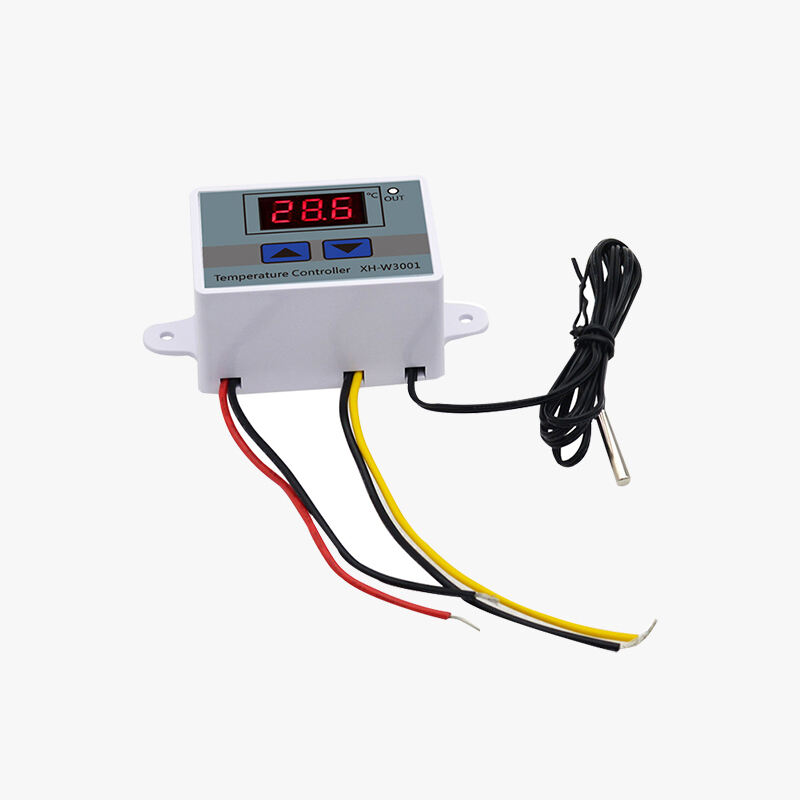
Energy costs continue to escalate across industrial sectors, making temperature control optimization a critical priority for businesses seeking sustainable operations. Traditional analog temperature control systems often struggle with precision, leading to energy waste through overshooting, undershooting, and frequent cycling that drives up operational expenses while compromising system efficiency.
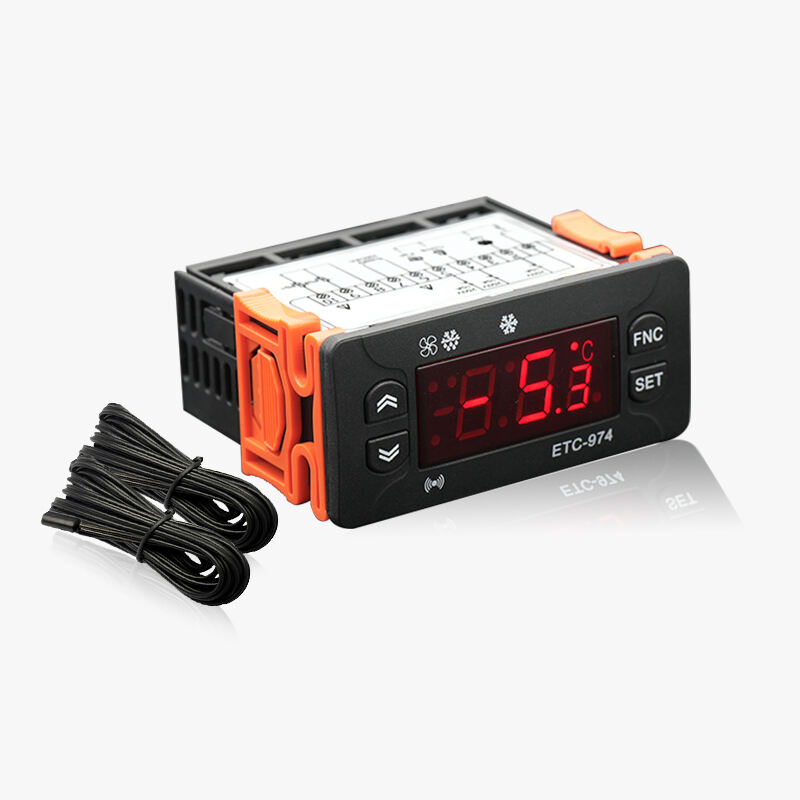
Modern high-precision digital temperature control systems offer transformative potential for energy cost reduction through advanced algorithms, precise sensor integration, and intelligent control strategies. These systems eliminate the inefficiencies inherent in analog controls by providing exact temperature regulation, minimizing thermal variations, and optimizing heating and cooling cycles to achieve substantial energy savings while maintaining operational reliability.
Precision Control Mechanisms for Energy Efficiency
Advanced PID Algorithm Implementation
High-precision digital temperature controller units employ sophisticated Proportional-Integral-Derivative (PID) algorithms that continuously calculate control outputs based on real-time temperature feedback. These algorithms analyze temperature deviations and adjust heating or cooling inputs with mathematical precision, eliminating the overshooting and undershooting common in basic thermostatic controls. The proportional component responds to current temperature errors, the integral component addresses accumulated errors over time, and the derivative component anticipates future trends, creating a control strategy that minimizes energy waste.
The mathematical precision of digital temperature controller systems allows for control accuracy within ±0.1°C or better, compared to ±2°C typical of analog systems. This enhanced accuracy translates directly to energy savings because heating and cooling equipment operates only when necessary, avoiding the energy penalties associated with temperature overshoot. Industrial facilities using digital temperature controller technology report energy consumption reductions of 15-25% compared to analog control systems.
Advanced digital temperature controller implementations include adaptive tuning capabilities that automatically optimize PID parameters based on system characteristics and load conditions. This self-optimization ensures that control performance remains optimal even as equipment ages or process conditions change, maintaining energy efficiency throughout the system lifecycle without requiring manual recalibration.
Sensor Integration and Feedback Precision
Modern digital temperature controller systems integrate multiple high-resolution sensors to create comprehensive temperature profiles across controlled zones. These sensors provide precise feedback with resolution capabilities of 0.01°C or better, enabling the controller to detect minor temperature variations and respond with appropriately scaled control actions. The enhanced sensor integration eliminates blind spots in temperature monitoring and prevents localized temperature extremes that waste energy.
Digital temperature controller units process sensor data through high-speed analog-to-digital converters that sample temperature readings hundreds of times per second. This rapid sampling enables real-time response to temperature changes, preventing the thermal lag that causes energy waste in slower control systems. The continuous monitoring capability ensures that heating and cooling equipment operates only when required, maximizing energy efficiency.
Multi-point sensor configurations supported by advanced digital temperature controller systems enable zone-based control strategies that optimize energy usage across different areas of a facility. By monitoring and controlling temperature in discrete zones, these systems avoid the energy waste associated with conditioning entire spaces to accommodate hot or cold spots, instead providing precise environmental control where needed.
Intelligent Control Strategies for Cost Reduction
Adaptive Learning and Optimization
Contemporary digital temperature controller systems incorporate machine learning algorithms that analyze historical temperature data and operational patterns to optimize control strategies continuously. These systems learn from past performance, identifying optimal control parameters for different operating conditions and automatically adjusting to minimize energy consumption while maintaining temperature precision. The adaptive learning capability ensures that energy efficiency improves over time as the system accumulates operational experience.
The learning algorithms within digital temperature controller units analyze factors such as ambient temperature variations, thermal load patterns, equipment response characteristics, and occupancy schedules to develop predictive control models. These models enable the system to anticipate temperature control requirements and pre-condition spaces with minimal energy expenditure, avoiding the energy spikes associated with reactive control approaches.
Advanced digital temperature controller implementations include optimization routines that continuously evaluate control performance against energy consumption metrics. These routines automatically adjust control parameters to achieve the optimal balance between temperature precision and energy efficiency, ensuring that cost reduction objectives are met without compromising operational requirements.
Load Balancing and System Coordination
Digital temperature controller systems excel at coordinating multiple heating and cooling devices to achieve optimal load distribution and energy efficiency. Through intelligent sequencing and staging algorithms, these controllers ensure that equipment operates at peak efficiency points while avoiding simultaneous startup surges that increase energy costs. The coordination capability prevents equipment conflicts and optimizes the use of available capacity across the entire temperature control system.
Advanced digital temperature controller units implement demand-based control strategies that adjust heating and cooling capacity based on actual thermal loads rather than fixed setpoints. This demand-responsive approach ensures that energy consumption matches actual requirements, eliminating the waste associated with oversized equipment operation or unnecessary system cycling during low-load conditions.
Network-connected digital temperature controller systems enable facility-wide optimization strategies that balance energy consumption across multiple zones and systems. These controllers communicate with building management systems and utility grid interfaces to optimize energy usage based on time-of-use rates, demand charges, and peak load management requirements, delivering comprehensive cost reduction benefits.
Implementation Strategies for Maximum Energy Savings
System Sizing and Configuration Optimization
Proper implementation of digital temperature controller technology begins with accurate system sizing that matches control capacity to actual thermal loads. Oversized systems waste energy through frequent cycling and poor load factor operation, while undersized systems struggle to maintain temperature precision. Digital temperature controller systems provide detailed load analysis capabilities that enable precise sizing for optimal energy efficiency.
Configuration optimization for digital temperature controller installations involves careful selection of control parameters, sensor placement, and system integration approaches. Proper configuration ensures that the controller can achieve maximum energy savings while maintaining required temperature precision. Advanced digital temperature controller units provide configuration wizards and optimization tools that guide installers through the setup process to achieve optimal performance.
Modern digital temperature controller systems support modular expansion capabilities that enable facilities to optimize system capacity as requirements change. This scalability ensures that energy efficiency remains optimal throughout facility lifecycle changes, avoiding the energy penalties associated with static system designs that become inefficient as operating conditions evolve.
Integration with Building Management Systems
Integration of digital temperature controller systems with comprehensive building management platforms creates opportunities for facility-wide energy optimization that extends beyond individual temperature control loops. These integrated systems coordinate temperature control with lighting, ventilation, and other building systems to achieve global energy efficiency objectives while maintaining comfort and operational requirements.
Digital temperature controller integration enables advanced energy management strategies such as pre-cooling during off-peak rate periods, load shedding during demand charge events, and coordinated system startup sequences that minimize peak energy consumption. These strategies leverage the precision and responsiveness of digital temperature controller systems to achieve cost reductions that would be impossible with standalone control approaches.
Network-enabled digital temperature controller systems provide detailed energy consumption data and performance analytics that enable continuous optimization of energy management strategies. This data visibility allows facility managers to identify additional energy saving opportunities and verify the performance of implemented efficiency measures, ensuring that cost reduction objectives are achieved and maintained.
Performance Monitoring and Continuous Optimization
Real-Time Energy Analysis
High-precision digital temperature controller systems incorporate comprehensive energy monitoring capabilities that provide real-time visibility into energy consumption patterns and efficiency metrics. These monitoring systems track energy usage at the component level, enabling identification of inefficiencies and optimization opportunities that might otherwise go unnoticed. The detailed energy analysis capabilities ensure that cost reduction benefits are maximized and sustained over time.
Advanced digital temperature controller units generate detailed reports on energy consumption trends, control performance metrics, and optimization opportunities. These reports enable facility managers to quantify energy cost savings, identify seasonal efficiency variations, and plan maintenance activities to maintain optimal performance. The analytical capabilities support data-driven decision making for continuous energy cost reduction.
Digital temperature controller systems provide alarm and notification capabilities that alert operators to efficiency degradation or equipment performance issues that increase energy consumption. Early detection of performance problems enables prompt corrective action to maintain energy efficiency and prevent costly equipment failures that could compromise temperature control and increase energy costs.
Predictive Maintenance Integration
Modern digital temperature controller implementations include predictive maintenance capabilities that monitor equipment performance indicators and predict maintenance requirements before efficiency degradation occurs. These predictive systems analyze operating data to identify trends that indicate impending equipment issues, enabling proactive maintenance that maintains energy efficiency and prevents unexpected failures.
The predictive maintenance integration within digital temperature controller systems extends equipment lifecycle while maintaining peak energy efficiency throughout the operational period. By identifying and addressing maintenance issues before they impact performance, these systems ensure that energy cost reduction benefits are sustained over the long term without unexpected degradation due to equipment wear.
Digital temperature controller systems with integrated predictive maintenance provide maintenance scheduling optimization that coordinates service activities with operational requirements and energy cost considerations. This coordination ensures that maintenance activities are performed at optimal times to minimize disruption while maintaining energy efficiency objectives.
FAQ
How much energy cost reduction can be achieved with high-precision digital temperature controllers?
High-precision digital temperature controller systems typically deliver energy cost reductions of 15-35% compared to traditional analog control systems, with actual savings dependent on application requirements, system sizing, and implementation quality. The precision control capabilities eliminate energy waste from temperature overshooting, reduce equipment cycling, and optimize heating and cooling operations to achieve substantial cost savings while maintaining required temperature accuracy.
What is the typical payback period for digital temperature controller upgrades?
Digital temperature controller upgrade projects typically achieve payback periods of 12-24 months through energy cost savings, with faster payback in applications with high energy usage or temperature-sensitive processes. The payback calculation includes energy savings, reduced maintenance costs, and improved process efficiency, making digital temperature controller upgrades highly attractive investments for most industrial applications.
Can digital temperature controllers work with existing heating and cooling equipment?
Most digital temperature controller systems are designed for retrofit compatibility with existing heating and cooling equipment, requiring minimal modifications to achieve precision control and energy savings. Modern digital temperature controller units provide universal input and output configurations that integrate with standard industrial equipment, enabling cost-effective upgrades without major system replacement.
How do digital temperature controllers maintain energy efficiency during seasonal variations?
Advanced digital temperature controller systems include seasonal adaptation algorithms that automatically adjust control parameters based on ambient conditions and thermal load variations throughout the year. These adaptive capabilities ensure that energy efficiency is maintained across all operating conditions, with the system continuously optimizing control strategies to minimize energy consumption regardless of seasonal changes in temperature requirements.
Table of Contents
- Precision Control Mechanisms for Energy Efficiency
- Intelligent Control Strategies for Cost Reduction
- Implementation Strategies for Maximum Energy Savings
- Performance Monitoring and Continuous Optimization
-
FAQ
- How much energy cost reduction can be achieved with high-precision digital temperature controllers?
- What is the typical payback period for digital temperature controller upgrades?
- Can digital temperature controllers work with existing heating and cooling equipment?
- How do digital temperature controllers maintain energy efficiency during seasonal variations?