
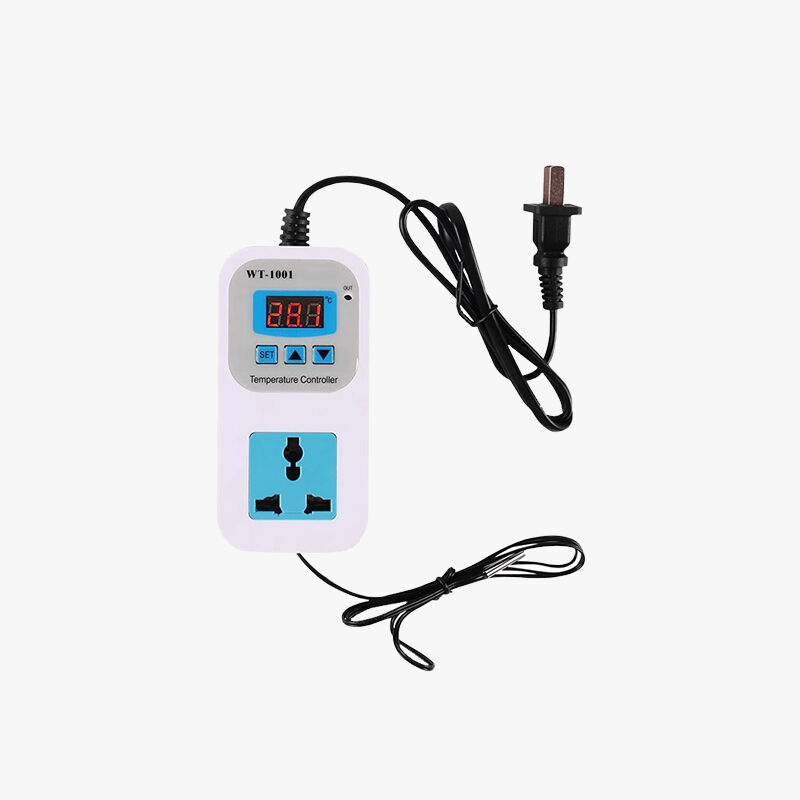
Proper refrigerator temperature control stands as the cornerstone of food safety in both commercial and residential environments. Understanding how to maintain optimal cooling conditions prevents bacterial growth, extends food shelf life, and protects consumers from foodborne illnesses. Effective refrigerator temperature control requires consistent monitoring, precise calibration, and adherence to industry-standard temperature ranges that ensure maximum food preservation quality.
Understanding Optimal Temperature Ranges
Commercial Refrigeration Standards
Commercial refrigeration systems must maintain strict temperature parameters to comply with health department regulations and ensure product integrity. The Food and Drug Administration recommends keeping refrigerated foods at 40°F (4°C) or below to inhibit bacterial multiplication. Professional establishments require refrigerator temperature control systems that provide continuous monitoring and immediate alerts when temperatures deviate from safe ranges.
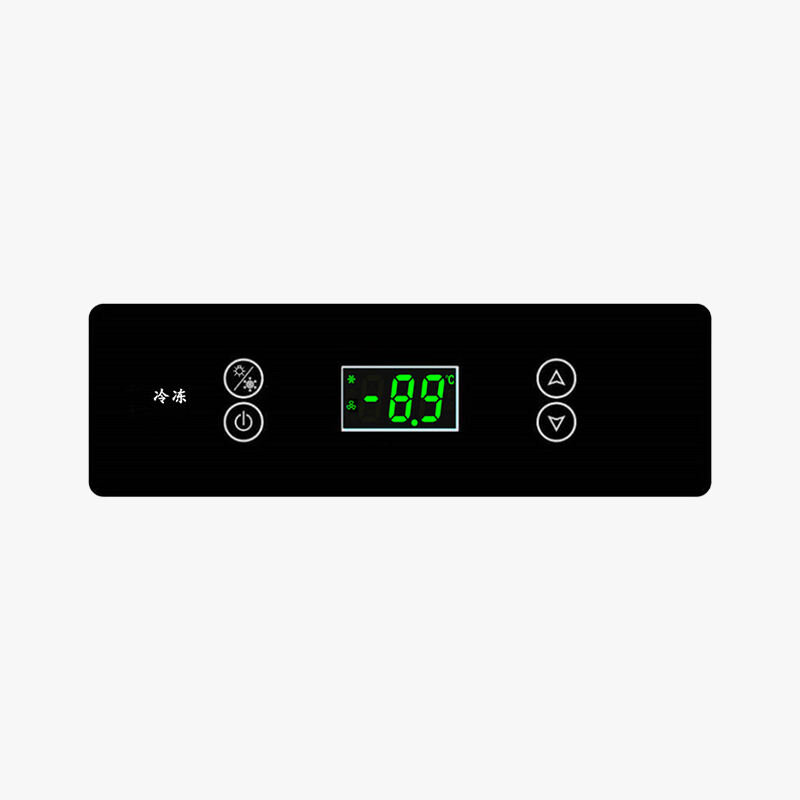
Advanced commercial units incorporate digital displays and automated logging features that document temperature fluctuations throughout operational cycles. These sophisticated refrigerator temperature control mechanisms help businesses maintain compliance documentation while ensuring consistent food quality. Regular calibration of temperature sensors prevents drift that could compromise food safety standards and regulatory adherence.
Residential Temperature Guidelines
Home refrigerators should maintain internal temperatures between 37°F and 40°F (3°C to 4°C) for optimal food preservation without freezing delicate items. Effective residential refrigerator temperature control involves understanding thermal zones within the appliance, as different areas may experience slight temperature variations. The middle shelves typically provide the most stable temperatures, while door compartments experience greater fluctuation due to frequent opening.
Modern home units often feature multiple cooling zones with independent refrigerator temperature control settings for different compartments. Vegetable crispers may maintain slightly higher humidity levels while protein storage areas require consistent cold temperatures. Understanding these variations helps homeowners optimize food placement and extend freshness periods significantly.
Temperature Monitoring Strategies
Digital Monitoring Systems
Contemporary refrigerator temperature control solutions incorporate wireless sensors that transmit real-time data to smartphones or central monitoring stations. These systems provide historical temperature graphs, alert notifications, and automated reporting capabilities that streamline compliance documentation. Professional-grade monitoring equipment offers accuracy within ±0.1°F, ensuring precise temperature maintenance even in demanding commercial applications.
Cloud-based monitoring platforms enable remote access to temperature data from multiple locations simultaneously. Restaurant chains and food distributors rely on comprehensive refrigerator temperature control networks that provide instant visibility across entire operations. Automated alert systems notify managers immediately when temperatures exceed predetermined thresholds, enabling rapid response to prevent food spoilage.
Manual Monitoring Techniques
Traditional thermometer-based refrigerator temperature control methods remain valuable backup systems and primary options for smaller operations. Calibrated dial thermometers should be positioned at eye level in central locations away from direct contact with food items. Digital probe thermometers offer enhanced accuracy and faster response times compared to analog alternatives.
Establishing regular temperature checking schedules ensures consistent monitoring even without automated systems. Recording temperatures multiple times daily creates documentation trails that demonstrate due diligence in food safety practices. Manual refrigerator temperature control protocols should include specific procedures for addressing temperature deviations and equipment malfunctions.
Equipment Maintenance and Calibration
Preventive Maintenance Protocols
Regular maintenance schedules prevent refrigerator temperature control failures that could result in significant food losses and safety violations. Cleaning condenser coils quarterly improves heat exchange efficiency and reduces energy consumption while maintaining stable temperatures. Door gasket inspections identify air leaks that compromise temperature stability and increase operational costs.
Professional maintenance services should inspect refrigeration systems annually to identify potential issues before they affect temperature control capabilities. Refrigerant level checks, compressor performance evaluations, and electrical component testing ensure reliable operation throughout peak demand periods. Proactive maintenance reduces emergency repair costs and minimizes disruption to business operations.
Calibration Procedures
Temperature sensor calibration requires comparison against certified reference standards to ensure measurement accuracy. refrigerator temperature control instruments should undergo calibration verification at least annually, with more frequent checks in critical applications. Laboratory-grade reference thermometers provide traceable accuracy standards for calibration procedures.
Documentation of calibration activities creates audit trails that demonstrate measurement reliability and regulatory compliance. Calibration certificates should include before and after readings, adjustment details, and verification of measurement uncertainty. Properly calibrated refrigerator temperature control systems provide confidence in temperature measurements and food safety protocols.
Energy Efficiency Considerations
Operational Optimization
Efficient refrigerator temperature control practices reduce energy consumption while maintaining food safety standards. Minimizing door opening frequency and duration prevents cold air losses that force compressors to work harder maintaining target temperatures. Strategic food placement maximizes air circulation and reduces temperature variations throughout the refrigerated space.
Load management strategies distribute thermal mass evenly to improve temperature stability and reduce energy cycling. Avoiding overcrowding allows proper air circulation while preventing warm spots that could compromise food safety. Smart refrigerator temperature control systems can optimize defrost cycles and compressor operation based on usage patterns and ambient conditions.
Insulation and Sealing
Proper insulation minimizes heat transfer and reduces the workload on refrigerator temperature control systems. Regular inspection of door seals identifies worn gaskets that allow warm air infiltration and temperature fluctuations. Replacing damaged seals promptly restores thermal efficiency and prevents unnecessary energy waste.
Additional insulation upgrades can improve temperature stability in harsh operating environments or older equipment. Insulated door curtains in walk-in coolers reduce cold air losses during frequent access periods. Enhanced insulation supports consistent refrigerator temperature control while reducing operational costs and environmental impact.
Troubleshooting Common Issues
Temperature Fluctuation Problems
Identifying root causes of temperature instability requires systematic analysis of refrigerator temperature control system components. Dirty condenser coils, low refrigerant levels, or failing compressors can cause temperature variations that compromise food safety. Temperature logging data helps identify patterns that point to specific equipment problems requiring attention.
Airflow restrictions from overstocking or blocked vents create uneven cooling patterns throughout refrigerated spaces. Strategic reorganization of stored items improves air circulation and temperature uniformity. Professional diagnosis of complex refrigerator temperature control issues may require specialized testing equipment and technical expertise.
Sensor Malfunctions
Temperature sensor failures can provide false readings that mask dangerous temperature conditions. Comparing multiple thermometer readings helps identify faulty sensors that require replacement or recalibration. Backup monitoring systems provide redundancy that ensures continuous temperature awareness even during primary sensor failures.
Regular sensor testing using ice baths or reference standards verifies measurement accuracy and identifies drift before it compromises food safety. Professional refrigerator temperature control systems include multiple sensors with alarm capabilities that alert operators to sensor malfunctions immediately.
FAQ
What temperature should my refrigerator be set to for optimal food safety
Refrigerators should maintain temperatures at or below 40°F (4°C) to prevent bacterial growth and ensure food safety. The ideal range falls between 37°F and 40°F (3°C to 4°C) for most food items. Commercial establishments must maintain even stricter temperature control with continuous monitoring to meet health department regulations and protect consumers from foodborne illnesses.
How often should refrigerator temperatures be checked and recorded
Commercial operations should monitor refrigerator temperature control systems at least twice daily, with many facilities checking hourly during peak operations. Residential users should verify temperatures weekly using calibrated thermometers. Automated monitoring systems provide continuous surveillance with instant alerts when temperatures exceed safe ranges, eliminating the need for manual checks while ensuring constant protection.
What are the signs that refrigerator temperature control is failing
Warning signs include inconsistent temperatures, excessive frost buildup, unusual compressor cycling, and condensation on exterior surfaces. Food spoiling faster than expected indicates potential temperature control problems requiring immediate attention. Digital displays showing error codes or temperature readings outside normal ranges signal equipment malfunctions that need professional diagnosis and repair.
How can I improve the accuracy of my refrigerator temperature readings
Position thermometers in central locations away from walls, doors, and direct contact with food items for most accurate readings. Use multiple thermometers to identify temperature variations throughout the refrigerated space. Professional-grade digital instruments provide superior accuracy compared to basic dial thermometers, while regular calibration ensures measurement reliability over time.