
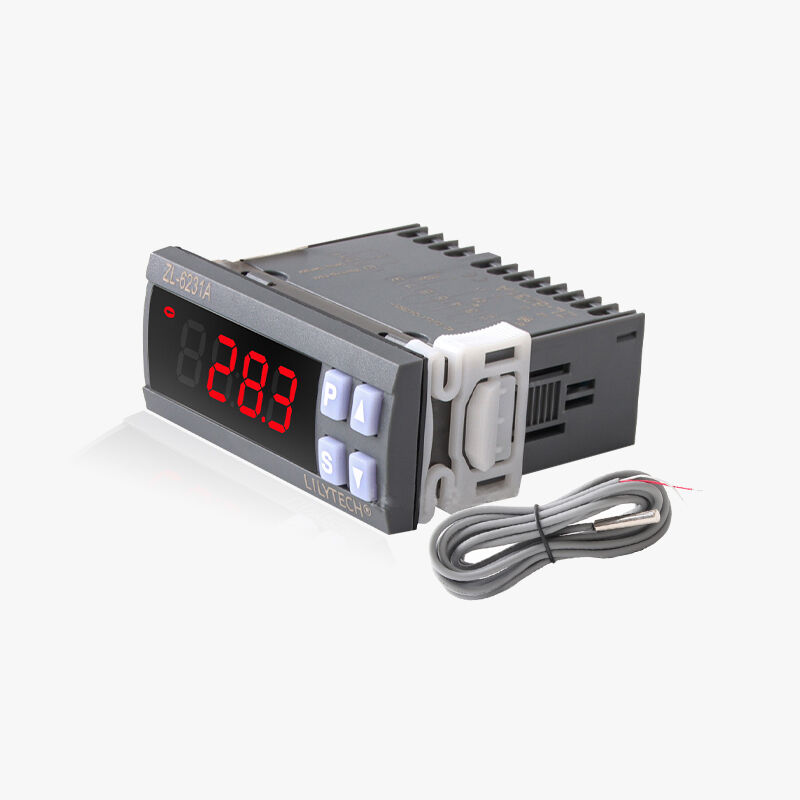
Maintaining optimal refrigerator temperature control throughout changing seasons is crucial for food safety, energy efficiency, and appliance longevity. As ambient temperatures fluctuate dramatically between summer heat and winter cold, your refrigerator works harder to maintain consistent internal conditions. Understanding how seasonal variations affect your appliance's performance enables you to make informed adjustments that protect your food investments while reducing energy costs. Professional refrigerator temperature control ensures that your perishables remain fresh regardless of external weather conditions.
Understanding Seasonal Temperature Variations
Summer Heat Impact on Refrigeration Systems
During summer months, elevated ambient temperatures place significant stress on refrigerator temperature control mechanisms. When room temperatures exceed 75°F consistently, refrigeration systems must work overtime to maintain safe internal temperatures. The compressor cycles more frequently, consuming additional energy while struggling against heat transfer from the surrounding environment. This increased workload often requires slight adjustments to temperature settings to compensate for reduced cooling efficiency.
Heat sources near refrigerators compound these challenges substantially. Direct sunlight through windows, nearby cooking appliances, or inadequate ventilation can create microclimates that overwhelm standard refrigerator temperature control systems. Professional installations consider these factors when positioning refrigeration equipment to minimize seasonal temperature variations. Understanding these dynamics helps users anticipate when manual adjustments become necessary for optimal performance.
Winter Cold Effects on Refrigeration Performance
Contrary to common assumptions, extremely cold environments can negatively impact refrigerator temperature control effectiveness. When ambient temperatures drop below 55°F, many refrigeration systems experience reduced compressor efficiency due to thickened refrigerant oils and altered pressure dynamics. Garages, basements, or unheated spaces often create conditions where standard temperature control algorithms fail to maintain consistent internal temperatures.
Cold weather also affects defrost cycles and moisture management within refrigeration compartments. Ice buildup becomes more problematic as humidity levels fluctuate, potentially interfering with accurate temperature sensing mechanisms. Advanced refrigerator temperature control systems incorporate winter compensation features that automatically adjust operational parameters based on ambient temperature readings. These sophisticated controls prevent common cold-weather issues like freezer burn and inconsistent cooling patterns.
Optimal Temperature Settings by Season
Spring Temperature Adjustment Strategies
Spring represents an ideal transition period for recalibrating refrigerator temperature control settings after winter adjustments. As ambient temperatures stabilize between 60-70°F, most refrigeration systems operate at peak efficiency with minimal external stress factors. This season provides an excellent opportunity to reset controls to manufacturer specifications while monitoring performance through gradually warming weather patterns.
Professional technicians recommend conducting comprehensive temperature audits during spring months to identify any drift in calibration that occurred during winter operation. Digital thermometers placed in multiple compartment locations reveal whether refrigerator temperature control systems maintain uniform cooling across all storage areas. Spring cleaning routines should include checking door seals, cleaning condenser coils, and verifying that temperature displays accurately reflect actual internal conditions.
Summer Cooling Optimization Techniques
Effective summer refrigerator temperature control requires proactive adjustments before peak heat arrives. Lowering refrigerator settings by 2-3 degrees compensates for increased heat transfer while maintaining food safety standards. However, excessive temperature reduction wastes energy and may cause freezing in sensitive storage areas. The key lies in gradual adjustments that allow systems to adapt without shocking internal components.
Ventilation improvements significantly enhance summer refrigerator temperature control performance. Ensuring adequate clearance around condenser coils, cleaning accumulated dust, and improving room airflow reduces the workload on cooling systems. Strategic placement of fans or improved kitchen ventilation helps maintain consistent ambient temperatures that support optimal refrigeration performance. These environmental modifications often prove more effective than aggressive temperature setting changes.
Advanced Temperature Control Features
Digital Control System Advantages
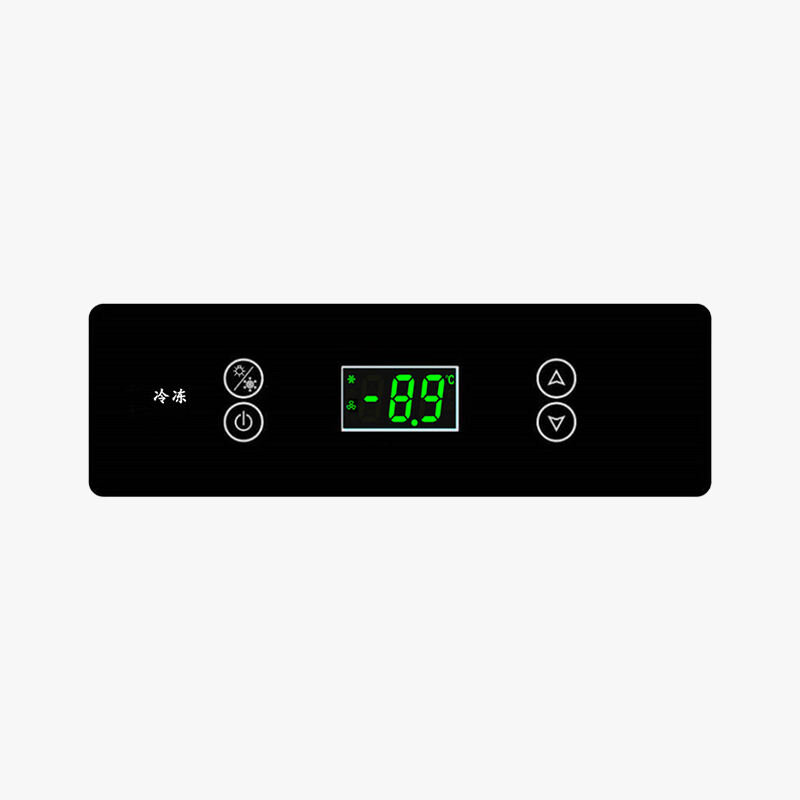
Modern refrigerator temperature control systems incorporate sophisticated digital interfaces that provide precise monitoring and adjustment capabilities. Unlike mechanical thermostats that rely on expanding metals or gas-filled bulbs, digital controllers offer accuracy within one degree while displaying real-time temperature readings. These systems often include programmable features that automatically adjust settings based on usage patterns or seasonal requirements.
Multi-zone digital controls enable independent temperature management for different compartments, optimizing storage conditions for various food types. Advanced refrigerator temperature control systems include alarms for temperature deviations, power failures, or door-ajar conditions that threaten food safety. These features prove especially valuable during seasonal transitions when ambient conditions change rapidly.
Smart Technology Integration
Internet-connected refrigerator temperature control systems represent the cutting edge of appliance technology, offering remote monitoring and adjustment capabilities through smartphone applications. These systems track temperature trends over time, identifying patterns that indicate when seasonal adjustments become necessary. Historical data analysis helps users optimize settings for specific weather conditions based on past performance records.
Smart refrigerator temperature control systems often include predictive algorithms that automatically adjust settings based on weather forecasts or detected ambient temperature changes. Some models integrate with home automation systems to coordinate cooling cycles with peak electricity rates or renewable energy availability. These advanced features transform manual seasonal adjustments into automated processes that maintain optimal conditions while minimizing energy consumption.
Energy Efficiency Considerations
Seasonal Energy Consumption Patterns
Refrigerator temperature control directly impacts energy consumption, with seasonal variations creating significant cost differences throughout the year. Summer cooling demands can increase electricity usage by 25-40% compared to moderate weather conditions, while winter operation may reduce consumption if ambient temperatures remain cool. Understanding these patterns enables strategic adjustments that balance food safety requirements with energy efficiency goals.
Peak cooling season often coincides with maximum electricity rates, compounding the cost impact of inefficient refrigerator temperature control practices. Small adjustments in settings can yield substantial savings over extended periods without compromising food safety. Professional energy audits reveal opportunities for optimization that consider both seasonal variations and local utility rate structures to minimize operating costs.
Efficiency Enhancement Strategies
Implementing comprehensive efficiency strategies extends beyond basic refrigerator temperature control adjustments to include operational improvements and maintenance practices. Regular defrosting prevents ice buildup that forces cooling systems to work harder, while proper food organization ensures adequate air circulation throughout storage compartments. These practices become especially important during seasons when refrigeration systems face additional stress from ambient conditions.
Upgrading to energy-efficient refrigerator temperature control systems provides long-term benefits that justify initial investment costs through reduced operational expenses. Modern controllers optimize compressor cycling, reduce standby power consumption, and include energy-saving features that adapt to usage patterns. Professional installation ensures these systems operate at peak efficiency while maintaining precise temperature control throughout seasonal variations.
Troubleshooting Common Issues
Temperature Fluctuation Problems
Seasonal temperature fluctuations in refrigeration systems often indicate underlying issues with refrigerator temperature control components or installation factors. Inconsistent readings may result from dirty sensors, failing thermostats, or inadequate insulation that allows ambient temperature influence. Systematic diagnosis involves monitoring temperature patterns over time while correlating changes with weather conditions and usage patterns.
Professional troubleshooting techniques include temperature mapping across different compartment areas to identify hot spots or dead zones that indicate air circulation problems. Refrigerator temperature control systems require calibrated sensors positioned away from direct airflow or heat sources to provide accurate readings. Seasonal maintenance schedules help prevent issues before they impact food safety or system efficiency.
Calibration and Maintenance Requirements
Accurate refrigerator temperature control depends on regular calibration and preventive maintenance that addresses seasonal wear factors. Temperature sensors drift over time, especially when exposed to extreme conditions or moisture infiltration. Professional calibration services use certified reference thermometers to verify accuracy and adjust control parameters as needed to maintain precise temperature regulation.
Seasonal maintenance protocols include cleaning evaporator coils, checking refrigerant levels, and testing defrost mechanisms that affect overall temperature stability. Proper maintenance extends refrigerator temperature control system lifespan while ensuring consistent performance throughout changing weather conditions. Documentation of maintenance activities helps identify patterns that indicate when replacement or upgrades become cost-effective solutions.
Professional Installation Considerations
Environmental Factor Assessment
Professional refrigerator temperature control installation requires comprehensive assessment of environmental factors that influence system performance throughout seasonal changes. Location analysis considers proximity to heat sources, ventilation adequacy, ambient temperature ranges, and humidity levels that affect cooling efficiency. These factors determine appropriate control system specifications and installation modifications needed for optimal performance.
Microclimate variations within buildings significantly impact refrigerator temperature control effectiveness, especially in commercial or industrial applications. Professional installers measure temperature gradients, air movement patterns, and heat load calculations to design systems capable of maintaining stable internal temperatures despite external variations. Proper sizing ensures adequate capacity for peak cooling demands while avoiding energy waste during moderate conditions.
System Selection and Sizing
Selecting appropriate refrigerator temperature control systems requires matching equipment capabilities with specific application requirements and seasonal operating conditions. Oversized systems cycle inefficiently during cool weather, while undersized units struggle during peak heat periods. Professional system selection balances initial costs, operating efficiency, and performance reliability across all seasonal conditions.
Advanced refrigerator temperature control systems include features designed to handle seasonal variations automatically, reducing manual adjustment requirements while maintaining optimal performance. Variable-speed compressors, adaptive defrost cycles, and intelligent temperature algorithms justify higher initial costs through improved efficiency and reduced maintenance requirements. Professional specification ensures these features align with specific application needs and local climate conditions.
FAQ
How often should I adjust my refrigerator temperature settings seasonally
Seasonal refrigerator temperature control adjustments should occur gradually as ambient temperatures change significantly. During spring and fall transitions, monitor internal temperatures weekly and make small adjustments as needed. Summer may require lowering settings by 2-3 degrees, while winter conditions might necessitate slight increases. Modern digital systems often handle these adjustments automatically, reducing manual intervention requirements.
What are the ideal temperature ranges for different seasons
Optimal refrigerator temperature control maintains 37-40°F for fresh food compartments and 0-5°F for freezer sections regardless of season. However, ambient temperature influences may require setting adjustments to maintain these internal ranges. Summer conditions might require setting refrigerator controls to 35°F to achieve 38°F internal temperature, while winter settings of 39°F might maintain the same internal conditions more efficiently.
Can extreme seasonal temperatures damage my refrigerator temperature control system
Extreme ambient temperatures can stress refrigerator temperature control components and reduce system lifespan if not properly managed. Temperatures above 90°F force compressors to work continuously, while conditions below 55°F can cause oil thickening and reduced efficiency. Proper ventilation, insulation, and gradual temperature adjustments help protect control systems from seasonal extremes while maintaining optimal performance.
How do I know if my refrigerator temperature control needs professional calibration
Signs that refrigerator temperature control systems need professional calibration include inconsistent temperature readings, frequent cycling, ice formation in fresh food areas, or spoiled food despite apparently correct settings. Seasonal changes can reveal calibration drift that wasn't apparent during stable weather conditions. Professional technicians use certified reference thermometers to verify accuracy and adjust control parameters to restore proper operation throughout all seasonal conditions.
Table of Contents
- Understanding Seasonal Temperature Variations
- Optimal Temperature Settings by Season
- Advanced Temperature Control Features
- Energy Efficiency Considerations
- Troubleshooting Common Issues
- Professional Installation Considerations
-
FAQ
- How often should I adjust my refrigerator temperature settings seasonally
- What are the ideal temperature ranges for different seasons
- Can extreme seasonal temperatures damage my refrigerator temperature control system
- How do I know if my refrigerator temperature control needs professional calibration