
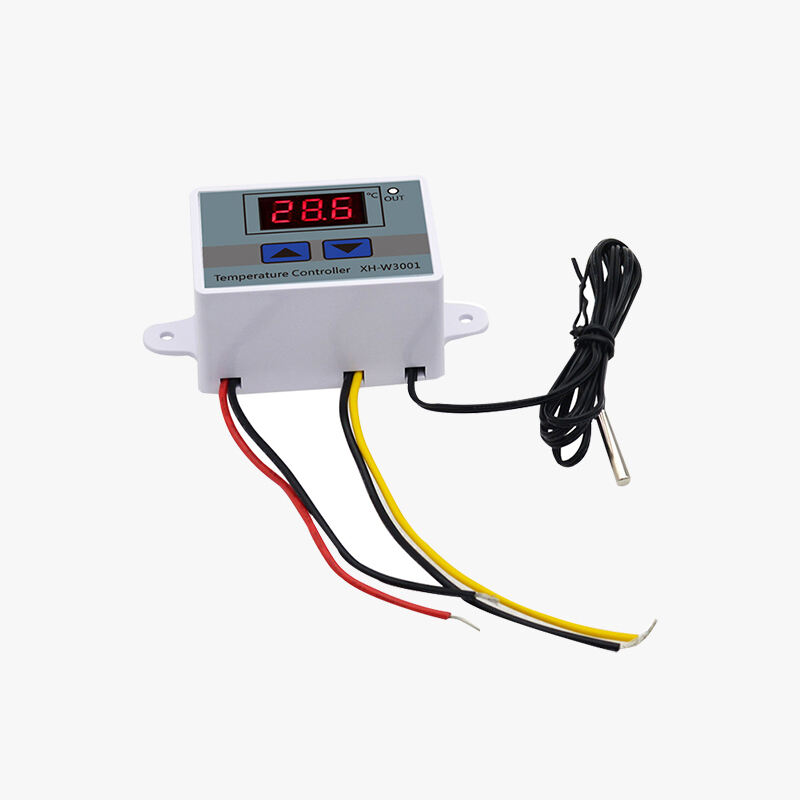
Energy efficiency has become a critical concern for businesses across industries, with temperature control systems representing one of the largest opportunities for cost reduction. Modern facilities rely heavily on precise climate management, yet many organizations continue to operate with outdated analog systems that waste substantial energy through inefficient operation. A digital temperature controller offers advanced functionality that transforms how businesses manage their heating, cooling, and refrigeration systems while delivering measurable energy savings. These intelligent devices provide precise monitoring, automated adjustments, and sophisticated programming capabilities that optimize energy consumption without compromising performance. Understanding the energy-saving potential of digital temperature controllers can help businesses make informed decisions about upgrading their temperature management infrastructure.
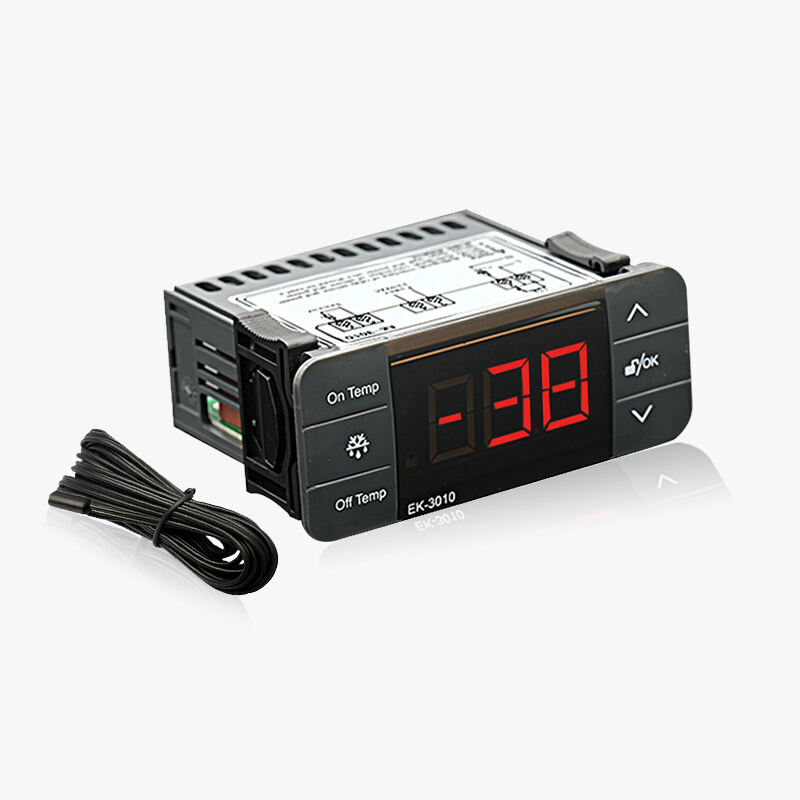
Understanding Digital Temperature Control Technology
Core Components and Functionality
Digital temperature controllers utilize advanced microprocessor technology to monitor and regulate temperature with exceptional precision. Unlike traditional analog systems that rely on basic mechanical components, digital controllers incorporate sophisticated sensors, programmable logic, and real-time data processing capabilities. The central processing unit continuously analyzes temperature readings and compares them against programmed setpoints, making instantaneous adjustments to maintain optimal conditions. These systems feature high-resolution displays that provide clear visibility of current temperatures, setpoints, and operational status. The digital interface allows operators to configure complex temperature profiles, set alarm parameters, and access historical data for performance analysis.
Advanced digital temperature controller units incorporate multiple input channels that can monitor various temperature zones simultaneously. This multi-zone capability enables comprehensive facility management through a single control interface, reducing installation complexity and operational overhead. The controllers support various sensor types including thermocouples, resistance temperature detectors, and thermistors, providing flexibility for different application requirements. Modern units also feature communication protocols such as Modbus, enabling integration with building management systems and remote monitoring capabilities.
Precision and Accuracy Advantages
The superior accuracy of digital temperature controllers directly translates to energy savings through reduced temperature fluctuations. Traditional analog systems typically maintain temperature within plus or minus several degrees of the setpoint, requiring wider safety margins that consume additional energy. Digital controllers can maintain temperature stability within tenths of a degree, allowing facilities to operate closer to optimal setpoints without risking product quality or comfort. This enhanced precision eliminates the energy waste associated with overshooting target temperatures and reduces the frequency of heating and cooling cycles.
Temperature stability provided by digital controllers also extends equipment lifespan by reducing thermal stress on system components. Consistent operating temperatures minimize expansion and contraction cycles that can cause mechanical wear and reduce efficiency over time. The improved reliability translates to lower maintenance costs and reduced energy consumption from aging equipment operating outside optimal parameters. Digital controllers continuously monitor system performance and can detect efficiency degradation before it results in significant energy waste.
Energy Efficiency Mechanisms
Adaptive Control Algorithms
Modern digital temperature controllers employ sophisticated algorithms that learn system characteristics and optimize control strategies for maximum efficiency. These adaptive systems analyze response patterns, thermal loads, and environmental conditions to develop customized control profiles that minimize energy consumption. The controllers can automatically adjust proportional, integral, and derivative parameters based on real-time performance data, ensuring optimal response without overshooting or hunting behavior that wastes energy. Machine learning capabilities enable the system to predict temperature changes and proactively adjust heating or cooling output to maintain stability with minimal energy expenditure.
Predictive control features utilize historical data and environmental sensors to anticipate temperature changes before they occur. The system can detect patterns in occupancy, weather conditions, and equipment loads to prepare for temperature variations efficiently. This proactive approach reduces the energy spikes associated with reactive temperature control and maintains comfortable conditions with minimal overshooting. Advanced algorithms also coordinate multiple zones to optimize overall facility energy consumption while maintaining individual area requirements.
Programmable Scheduling and Setback Functions
Digital temperature controllers offer extensive programming capabilities that enable facilities to implement sophisticated energy-saving schedules. Users can configure different temperature setpoints for various times of day, days of the week, and seasonal periods to match occupancy patterns and operational requirements. Automated setback functions reduce heating and cooling loads during unoccupied periods, delivering substantial energy savings without manual intervention. The programming flexibility allows for multiple daily schedules, holiday calendars, and special event configurations that optimize energy use across different operational scenarios.
Time-based control strategies can be customized for specific zones or applications within a facility, allowing precise energy management tailored to individual space requirements. Manufacturing areas might maintain consistent temperatures during production hours while implementing setbacks during breaks and shift changes. Office spaces can follow occupancy schedules that pre-condition areas before arrival and reduce energy consumption during vacant periods. The digital temperature controller programming interface typically provides calendar functions that automatically adjust schedules for holidays, maintenance periods, and special events without manual intervention.
Cost Reduction Analysis
Quantifying Energy Savings
Energy savings from digital temperature controller implementation typically range from fifteen to thirty percent depending on the existing system efficiency and application requirements. Industrial facilities with large heating and cooling loads often experience the most dramatic reductions, with some installations reporting savings exceeding forty percent of previous energy consumption. The precise control capabilities eliminate the energy waste associated with temperature overshooting and reduce the frequency of heating and cooling cycles. Data logging features enable facilities to track energy consumption patterns and quantify savings through detailed performance analysis.
Return on investment calculations for digital temperature controller upgrades typically show payback periods of one to three years depending on energy costs and usage patterns. Facilities with high energy consumption and significant temperature control requirements experience faster payback through larger absolute savings. The energy monitoring capabilities provided by digital controllers enable ongoing optimization that continues to improve efficiency over time. Many organizations report that the data insights gained from digital controllers identify additional energy-saving opportunities beyond the initial temperature control improvements.
Operational Cost Benefits
Beyond direct energy savings, digital temperature controllers reduce operational costs through improved system reliability and reduced maintenance requirements. The precise control and monitoring capabilities help prevent equipment from operating outside optimal parameters, extending component lifespan and reducing repair frequency. Diagnostic features can identify potential issues before they result in system failures, enabling proactive maintenance that prevents costly emergency repairs. The data logging capabilities also provide valuable information for maintenance scheduling and equipment replacement planning.
Digital temperature controller systems reduce labor costs associated with manual temperature monitoring and adjustment. Automated operation eliminates the need for personnel to regularly check and adjust temperature settings, freeing staff for other productive activities. Remote monitoring capabilities allow facilities managers to oversee multiple locations from a central control room, reducing staffing requirements and travel expenses. The alarm functions ensure that temperature excursions are immediately detected and addressed, preventing product losses and quality issues that can result in significant financial impact.
Implementation Strategies
System Assessment and Planning
Successful digital temperature controller implementation begins with comprehensive assessment of existing temperature control systems and energy consumption patterns. Facilities should conduct detailed audits to identify areas with the greatest energy-saving potential and prioritize upgrades accordingly. The assessment should include evaluation of current control accuracy, energy usage data, and operational requirements for each controlled zone. Understanding the thermal characteristics of the facility and existing equipment capabilities helps determine the most appropriate digital controller specifications and configuration options.
Integration planning considers existing infrastructure capabilities and determines requirements for sensor upgrades, wiring modifications, and communication systems. Modern digital temperature controllers often require different sensor types or communication protocols than legacy systems, necessitating careful planning to ensure compatibility. The implementation strategy should also address staff training requirements and change management processes to ensure successful adoption of the new technology. Phased implementation approaches can minimize disruption while allowing organizations to learn from initial installations before expanding the upgrade program.
Installation and Configuration Best Practices
Proper installation and configuration are critical for realizing the full energy-saving potential of digital temperature controllers. Sensor placement must be optimized to provide accurate temperature readings that represent the controlled space without interference from heat sources or air currents. The digital temperature controller programming should be customized for specific application requirements, including appropriate control algorithms, alarm settings, and scheduling parameters. Initial calibration and system tuning ensure optimal performance from the beginning of operation.
Configuration of communication systems enables integration with building management systems and remote monitoring capabilities that enhance energy management effectiveness. The setup process should include comprehensive testing of all control functions, alarm systems, and data logging capabilities to verify proper operation. Documentation of configuration parameters and operational procedures facilitates ongoing maintenance and system optimization. Regular monitoring during the initial operating period allows for fine-tuning of control parameters to maximize energy efficiency while maintaining performance requirements.
Monitoring and Optimization
Performance Tracking Systems
Digital temperature controllers provide extensive data logging capabilities that enable continuous monitoring of energy consumption patterns and system performance. The recorded information includes temperature profiles, control output levels, alarm events, and energy usage statistics that support detailed analysis of operational efficiency. Trend analysis helps identify opportunities for further optimization and validates the energy savings achieved through digital controller implementation. Regular performance reviews ensure that the system continues to operate at peak efficiency and identify any degradation that might require attention.
Advanced monitoring systems can integrate multiple digital temperature controller units to provide facility-wide energy management insights. Centralized data collection enables comparison of performance across different zones and identification of best practices that can be applied throughout the facility. The monitoring data also supports energy reporting requirements and helps demonstrate compliance with efficiency standards and sustainability goals. Real-time alerts notify operators of any performance issues that could impact energy efficiency or operational requirements.
Continuous Improvement Processes
Ongoing optimization of digital temperature controller systems requires systematic analysis of performance data and regular evaluation of control parameters. Seasonal adjustments may be necessary to account for changing environmental conditions and facility usage patterns. The flexibility of digital controllers allows for continuous refinement of control strategies based on operational experience and changing requirements. Regular calibration of sensors and verification of control accuracy ensure that the system maintains optimal performance over time.
Energy management programs should include regular benchmarking against industry standards and best practices to identify additional improvement opportunities. The data collected by digital temperature controller systems provides valuable insights for energy audits and efficiency assessments. Collaboration with equipment manufacturers and energy consultants can help identify advanced features and capabilities that further enhance energy savings. Continuous improvement processes ensure that organizations maximize the return on their digital controller investment while maintaining operational excellence.
FAQ
How much energy can a digital temperature controller save compared to analog systems
Digital temperature controllers typically deliver energy savings of fifteen to thirty percent compared to traditional analog systems, with some installations achieving reductions exceeding forty percent. The actual savings depend on factors including existing system efficiency, application requirements, facility size, and environmental conditions. The precise control capabilities eliminate energy waste from temperature overshooting and reduce heating and cooling cycle frequency. Data logging features enable facilities to track consumption patterns and quantify savings through detailed performance analysis, providing clear documentation of the energy reduction benefits.
What is the typical payback period for upgrading to digital temperature controllers
Return on investment for digital temperature controller upgrades typically ranges from one to three years depending on energy costs, usage patterns, and existing system efficiency. Facilities with high energy consumption and significant temperature control requirements often experience faster payback through larger absolute savings. The investment calculation should include not only direct energy savings but also reduced maintenance costs, improved system reliability, and enhanced operational efficiency. Many organizations find that the data insights and optimization capabilities continue to deliver additional savings beyond the initial payback period.
Can digital temperature controllers integrate with existing building management systems
Modern digital temperature controllers support various communication protocols including Modbus, BACnet, and Ethernet connections that enable seamless integration with building management systems. This connectivity allows centralized monitoring and control of multiple temperature zones from a single interface, enhancing operational efficiency and energy management capabilities. Integration enables automated coordination with other building systems such as lighting, ventilation, and security to optimize overall facility energy consumption. The communication capabilities also support remote monitoring and control, allowing facilities managers to oversee operations from multiple locations.
What maintenance requirements do digital temperature controllers have
Digital temperature controllers require minimal routine maintenance compared to analog systems, primarily involving periodic sensor calibration and verification of control accuracy. The diagnostic capabilities built into digital systems help identify potential issues before they impact performance, enabling proactive maintenance that prevents system failures. Regular software updates may be available to enhance functionality and add new features that improve energy efficiency. The data logging capabilities provide valuable information for maintenance scheduling and help optimize service intervals based on actual operating conditions rather than fixed schedules.
Table of Contents
- Understanding Digital Temperature Control Technology
- Energy Efficiency Mechanisms
- Cost Reduction Analysis
- Implementation Strategies
- Monitoring and Optimization
-
FAQ
- How much energy can a digital temperature controller save compared to analog systems
- What is the typical payback period for upgrading to digital temperature controllers
- Can digital temperature controllers integrate with existing building management systems
- What maintenance requirements do digital temperature controllers have