
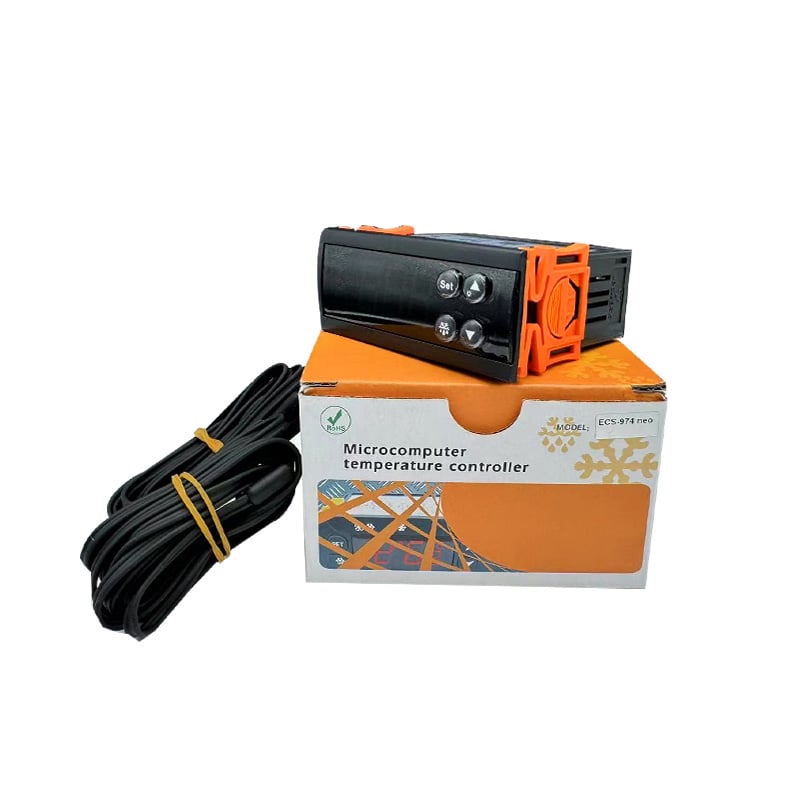
Commercial refrigeration operations depend on precise temperature management to maintain product quality, ensure regulatory compliance, and minimize spoilage losses. A WiFi temperature controller provides real-time monitoring and automated control capabilities that transform how businesses manage their cooling systems across multiple locations. Unlike traditional hardwired systems, a WiFi temperature controller connects to your facility network, enabling operators to track conditions remotely and adjust parameters without being physically present at the equipment. This shift toward connected refrigeration infrastructure has become essential for modern food service, retail, pharmaceutical, and storage facilities that cannot afford unexpected temperature excursions.
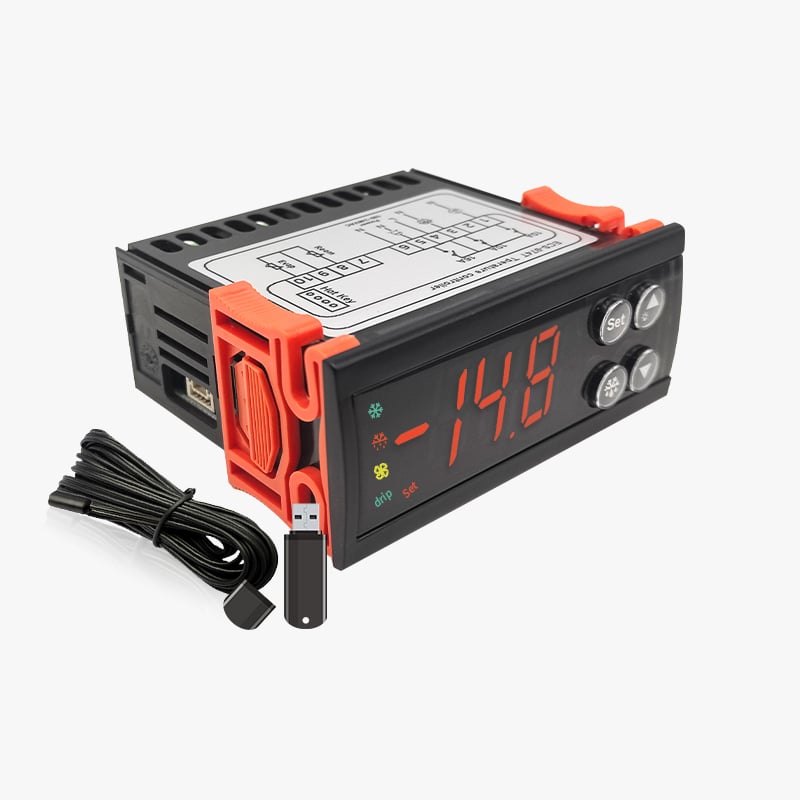
The evolution of refrigeration technology has moved beyond simple thermostat switches to intelligent, networked systems. A WiFi temperature controller integrates sensor data, compressor control logic, and cloud connectivity into a single platform. This integration allows facility managers to implement predictive maintenance, optimize energy consumption, and respond immediately to any deviation from target conditions. Understanding how a WiFi temperature controller functions and what capabilities to prioritize will help you select equipment that aligns with your operational requirements and long-term cost management strategy.
Core Functions of a WiFi Temperature Controller
Real-Time Monitoring and Data Logging
A WiFi temperature controller continuously measures refrigerated space conditions and transmits readings to a central dashboard accessible via web browser or mobile application. Each WiFi temperature controller captures temperature, humidity, and compressor runtime data at regular intervals, creating a detailed operational history. This data logging capability is critical for regulatory documentation, especially in pharmaceutical storage, food distribution, and healthcare environments where temperature records must be maintained for compliance audits. The WiFi temperature controller stores historical trends that facility managers can analyze to identify patterns, predict equipment failures, and optimize cooling cycles.
Automated Alarms and Alert Systems
When conditions deviate from acceptable parameters, a WiFi temperature controller immediately triggers alarms through multiple channels including SMS messages, email notifications, and in-app alerts. This multi-channel approach ensures that facility staff receive warnings regardless of their location or device preference. A WiFi temperature controller can be configured to escalate notifications after specific time intervals, ensuring that critical temperature excursions never go unaddressed. The system can also log all alarm events for later analysis, helping you understand root causes and implement preventive measures across your refrigeration network.
Integration Capabilities and System Architecture
Network Configuration and Connectivity
A WiFi temperature controller operates through standard commercial network infrastructure, eliminating the need for dedicated communication cables between each unit and the central monitoring station. This wireless connectivity makes a WiFi temperature controller ideal for retrofitting existing refrigeration equipment without expensive facility modifications. The controller connects securely to your network using encryption protocols that protect sensitive operational data from unauthorized access. Multiple WiFi temperature controller units can operate simultaneously on the same network, allowing centralized oversight of dozens or hundreds of refrigeration points across a facility or entire business portfolio.
Cloud Platform Integration
Modern a WiFi temperature controller systems integrate with cloud-based management platforms that consolidate data from multiple facilities into a single accessible interface. This cloud integration enables cross-location comparisons, aggregate performance analysis, and centralized reporting capabilities. A WiFi temperature controller using cloud connectivity allows authorized staff to access system information from any location with internet access, supporting remote management in distributed business models. The cloud architecture also enables regular software updates that improve functionality without requiring technician visits to individual units.
Business Benefits and Operational Advantages
Energy Efficiency and Cost Reduction
A WiFi temperature controller optimizes compressor run times by implementing proportional control logic that adjusts cooling output based on actual demand rather than simple on-off switching. This precision control significantly reduces energy consumption compared to mechanical thermostats that cycle inefficiently. Facilities operating a WiFi temperature controller across multiple refrigeration units report substantial electricity cost reductions within the first year of installation. The detailed energy consumption data captured by each WiFi temperature controller helps identify underperforming units, incorrect setpoints, and opportunities for systematic efficiency improvements.
Product Protection and Regulatory Compliance
Temperature consistency directly impacts product shelf life, quality characteristics, and safety compliance requirements across food, pharmaceutical, and laboratory environments. A WiFi temperature controller maintains tighter temperature tolerances than traditional systems, reducing product degradation and waste. The comprehensive data logging provided by a WiFi temperature controller creates audit trails that satisfy regulatory bodies including the FDA, USDA, and local health departments. Businesses using a WiFi temperature controller can demonstrate continuous compliance during inspections, reducing regulatory risk and potential penalties associated with temperature excursions.
Predictive Maintenance and Equipment Longevity
A WiFi temperature controller tracks compressor cycles, power consumption patterns, and performance trends that indicate developing equipment problems before catastrophic failures occur. This predictive capability enables maintenance teams to schedule repairs during planned downtime rather than responding to emergency breakdowns. By monitoring the performance metrics collected by a WiFi temperature controller, facility managers can extend refrigeration equipment life and avoid expensive emergency service calls. The system can alert technicians to declining compressor efficiency or sensor drift, allowing corrective action before product safety is compromised.
Selection Criteria for Commercial Refrigeration Applications
Temperature Range and Sensor Compatibility
Different refrigeration applications require different temperature control profiles, and your WiFi temperature controller must support the specific range and accuracy needed for your product category. A WiFi temperature controller designed for commercial freezers operates at different calibration and response speeds than one used for wine cellars or pharmaceutical refrigerators. Verify that the WiFi temperature controller you select accepts industry-standard sensor inputs and provides calibration options for precise temperature maintenance. Some WiFi temperature controller models include multiple sensor inputs, allowing simultaneous monitoring of different refrigeration chambers or backup redundancy.
Communication Protocol and Network Security
Evaluate whether your WiFi temperature controller uses modern encryption standards and whether it supports integration with your existing facility management systems. A WiFi temperature controller should employ industry-standard protocols such as MQTT or secure HTTPS to transmit data safely across your network. Verify that the WiFi temperature controller includes user authentication, role-based access controls, and activity logging to prevent unauthorized modification of temperature setpoints or alarm thresholds. Data security becomes increasingly critical as more refrigeration systems connect to shared networks and external cloud platforms.
FAQ
What distinguishes a WiFi temperature controller from a standard thermostat?
A WiFi temperature controller combines wireless connectivity, digital control logic, remote monitoring capability, and data logging into an integrated platform, whereas a standard thermostat simply responds to temperature changes through mechanical or simple electronic switches. A WiFi temperature controller provides real-time visibility across multiple locations, generates detailed performance reports, and enables proactive management decisions. Standard thermostats cannot send alerts, cannot be adjusted remotely, and do not create audit trails suitable for regulatory compliance documentation.
Can a WiFi temperature controller reduce operating costs for small commercial refrigeration facilities?
Yes, a WiFi temperature controller delivers measurable cost savings through improved energy efficiency, reduced product waste, and lower maintenance expenses even in smaller operations. The investment in a WiFi temperature controller typically pays for itself within 12 to 24 months through energy savings alone, and the regulatory compliance benefits add additional value. Small facilities benefit particularly from remote monitoring capabilities that reduce staff time spent manually checking equipment status throughout the day.
What happens to temperature data if network connectivity is lost during a WiFi temperature controller malfunction?
Most modern WiFi temperature controller systems include local data storage that captures readings and continues temperature regulation even when cloud connectivity is unavailable. The controller operates independently using locally-stored setpoints and control algorithms, then synchronizes all stored data once network connection is restored. This offline capability ensures that refrigeration safety is never compromised by network disruptions, maintaining product protection and regulatory compliance even during temporary connectivity issues.