
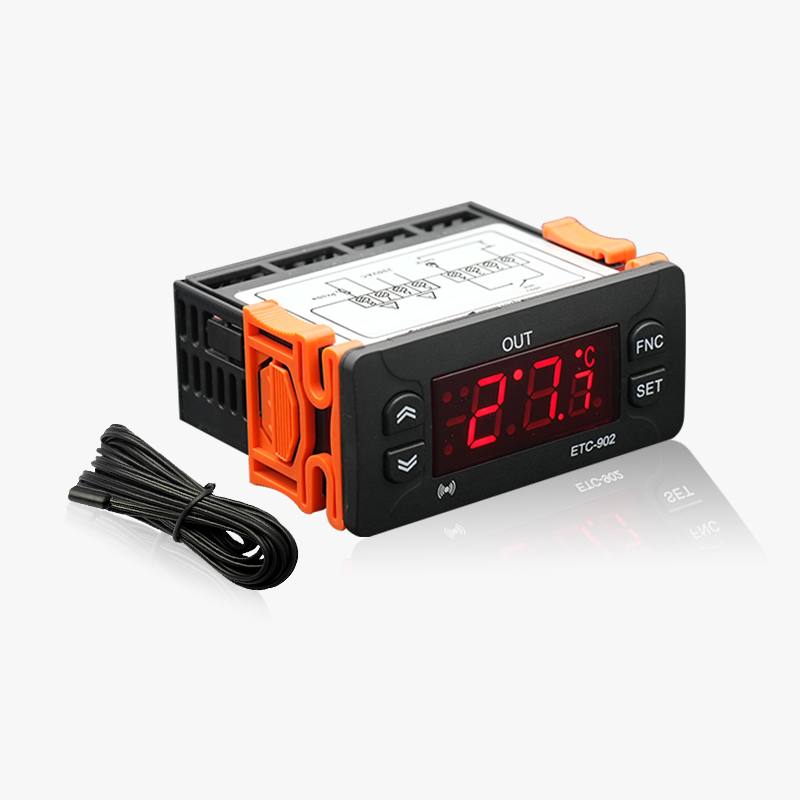
Selecting the right digital temperature controller is critical for maintaining optimal equipment performance across industrial, commercial, and laboratory environments. A digital temperature controller serves as the operational brain of any thermal management system, continuously monitoring and adjusting temperature to meet precise specifications. Whether you operate a manufacturing facility, server room, laboratory, or specialized processing environment, understanding the capabilities and limitations of a digital temperature controller directly impacts product quality, energy efficiency, and operational reliability.
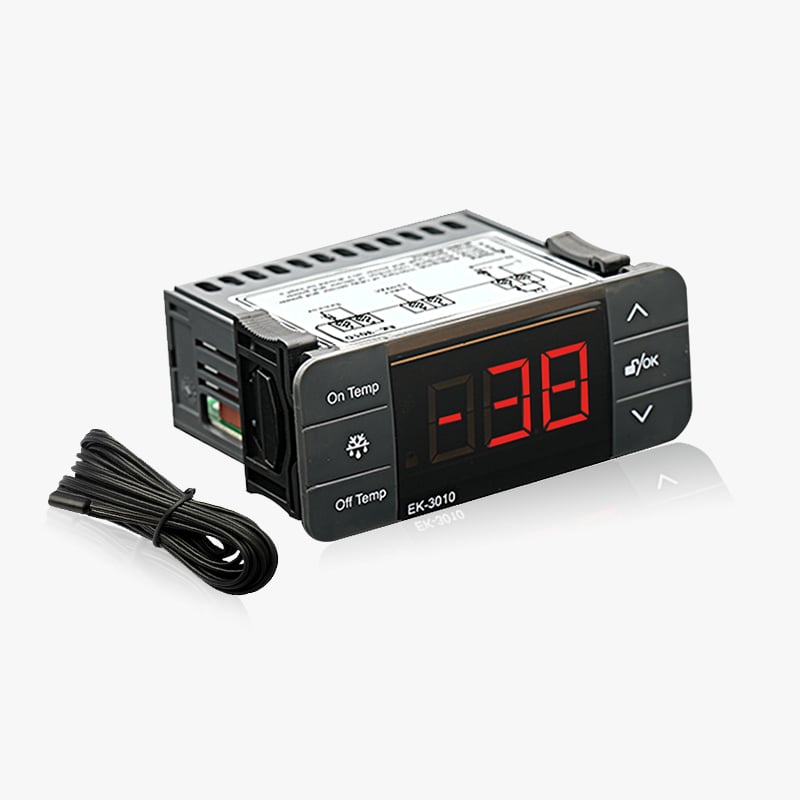
This comprehensive buying guide explores the essential types, core functions, and real-world applications of a digital temperature controller to help you make informed procurement decisions. By examining how different digital temperature controller models operate and where they deliver maximum value, you can align system investments with operational requirements and long-term cost management objectives.
Understanding Digital Temperature Controller Types and Architecture
On-Off and Proportional Control Mechanisms
A digital temperature controller operates using distinct control algorithms tailored to application demands. On-off control represents the simplest form, cycling equipment between fully active and fully inactive states based on temperature setpoint deviation. This digital temperature controller approach works effectively for applications tolerating moderate temperature fluctuation, such as warehouse climate management or basic storage environments. Proportional control, by contrast, enables a digital temperature controller to modulate output incrementally, reducing overshooting and maintaining tighter temperature bands. This proportional mechanism allows a digital temperature controller to deliver superior stability in sensitive applications requiring precision thermal management, including pharmaceutical storage, data centers, and precision manufacturing.
Integrated Sensor Networks and Display Integration
Modern digital temperature controller units incorporate advanced sensor interfacing capabilities, supporting multiple input types including thermocouples, resistance temperature detectors (RTDs), and thermistor connections. A digital temperature controller typically features an intuitive display panel showing real-time temperature readings, target setpoints, and system status indicators. Many contemporary digital temperature controller models offer programmable logic, allowing facility managers to establish temperature schedules, alarm thresholds, and automated shutdown sequences. These integrated features transform a basic digital temperature controller into a comprehensive thermal management platform capable of responding intelligently to environmental changes and operational requirements.
Core Functions and Operational Capabilities
Real-Time Monitoring and Alarm Management
A primary function of any digital temperature controller involves continuous temperature measurement and immediate alert generation when conditions deviate from acceptable ranges. This digital temperature controller functionality prevents equipment damage, product spoilage, and safety incidents by notifying operators before critical thresholds are breached. Advanced digital temperature controller systems support multi-level alarms, distinguishing between warning states requiring attention and critical conditions demanding immediate intervention. The alarm escalation capability built into premium digital temperature controller units ensures that facility personnel receive appropriately prioritized notifications, enabling faster corrective action and minimizing downtime.
Setpoint Adjustment and Auto-Tuning Calibration
Operators interact with a digital temperature controller primarily through setpoint adjustment, establishing the target temperature around which the system maintains regulation. A sophisticated digital temperature controller includes auto-tuning algorithms that optimize control parameters based on system response characteristics, reducing manual calibration requirements. This digital temperature controller feature proves particularly valuable during system commissioning or when environmental conditions change significantly. Energy-efficient digital temperature controller implementations also incorporate scheduling functions, allowing predetermined temperature setpoints to activate at specific times, reducing power consumption during periods of minimal demand.
Practical Applications and Industry-Specific Implementation Scenarios
Data Center and Server Room Climate Control
Data centers demand exceptional thermal precision, making a digital temperature controller essential infrastructure for protecting expensive computing equipment and ensuring business continuity. A digital temperature controller in this environment typically maintains temperature within a narrow range, often 18–27 degrees Celsius, preventing thermal throttling and hardware failure. Mission-critical facilities deploy redundant digital temperature controller systems with hot-standby capabilities, ensuring uninterrupted monitoring even during individual unit failures. The integration of a digital temperature controller with facility management systems enables predictive maintenance, allowing technicians to identify cooling system degradation before actual temperature excursions occur.
Pharmaceutical, Food, and Laboratory Storage
Regulatory compliance in pharmaceutical and food storage environments creates stringent requirements for a digital temperature controller capable of maintaining precise conditions and documenting compliance records. A digital temperature controller in these applications must provide detailed temperature logs, generate compliance reports, and support traceability audits for regulatory inspection. Laboratory applications similarly depend on a digital temperature controller to preserve sample integrity and ensure reproducible experimental results. The validation capabilities of professional-grade digital temperature controller systems address these requirements through automated documentation, trend analysis, and alerts that protect stored assets from environmental degradation.
Industrial Process Heating and Cooling Operations
Manufacturing environments utilize a digital temperature controller for process-critical applications including injection molding, industrial ovens, water bath heating, and fluid cooling systems. A digital temperature controller enables operators to optimize production parameters, improving product consistency and reducing scrap rates. Advanced digital temperature controller configurations support cascade control, where a primary digital temperature controller manages multiple secondary zones independently, improving overall system responsiveness. The flexibility of a modern digital temperature controller accommodates diverse heating and cooling methods, from direct electric heating to refrigeration systems, making it applicable across varied industrial sectors.
Selection Criteria and Procurement Considerations
Accuracy, Response Time, and Control Stability
Evaluating a digital temperature controller requires careful attention to stated accuracy specifications, typically measured in degrees or percentage of sensor range. Response time—how quickly a digital temperature controller detects temperature changes and initiates corrective action—directly influences thermal stability. A digital temperature controller with superior response characteristics minimizes temperature overshoot and oscillation, protecting sensitive processes. Comparative testing of candidate digital temperature controller models under realistic operating conditions reveals performance differences that specifications alone may not capture, ensuring procurement decisions reflect actual application requirements.
Interface Standards and Integration Requirements
Compatibility between a digital temperature controller and existing facility management infrastructure determines long-term operational efficiency. A digital temperature controller supporting standard communication protocols—such as Ethernet, RS-485, or Modbus—integrates seamlessly with building automation systems and enterprise monitoring platforms. Standalone digital temperature controller units with local display and manual adjustment remain appropriate for simpler installations, but networked implementations of a digital temperature controller offer superior visibility and remote management capabilities. Verification that a candidate digital temperature controller communicates with your existing infrastructure prevents costly integration challenges post-purchase.
FAQ
What distinguishes a digital temperature controller from analog temperature control systems?
A digital temperature controller uses microprocessor-based algorithms and digital sensors to achieve superior accuracy, repeatability, and programmability compared to analog systems. Digital temperature controller systems display precise numerical readings, support complex control logic, and enable remote monitoring through digital communication protocols. Analog controllers rely on mechanical or basic electronic components, typically offering less precise setpoint maintenance and limited integration capabilities. For applications requiring accuracy better than ±2 degrees and automated documentation, a digital temperature controller delivers measurably superior performance and operational control compared to older analog alternatives.
Can a single digital temperature controller manage multiple independent temperature zones?
Yes, advanced digital temperature controller models support multi-zone configurations through cascade control architecture or intelligent zone switching logic. A digital temperature controller with multi-zone capability reads multiple sensor inputs and modulates separate heating or cooling outputs independently, enabling simultaneous management of different temperature requirements. This digital temperature controller approach proves particularly valuable in facilities with multiple climate zones or applications requiring varied temperature setpoints across different chambers. Simpler digital temperature controller units manage single zones only, so multi-zone requirements must be verified during specification review to ensure procurement of appropriately capable equipment.
How often does a digital temperature controller require calibration and maintenance?
Routine digital temperature controller maintenance includes visual inspection, log review, and sensor calibration verification typically performed annually or biennially depending on application criticality. A digital temperature controller sensor may drift gradually over extended use, necessitating recalibration against certified reference standards to maintain accuracy specifications. Many digital temperature controller units include self-diagnostic features alerting operators to potential sensor degradation or measurement inconsistencies. Facilities with high regulatory compliance requirements should establish formal digital temperature controller maintenance protocols documented through calibration certificates and validation records, ensuring system reliability and audit compliance across the equipment lifecycle.