
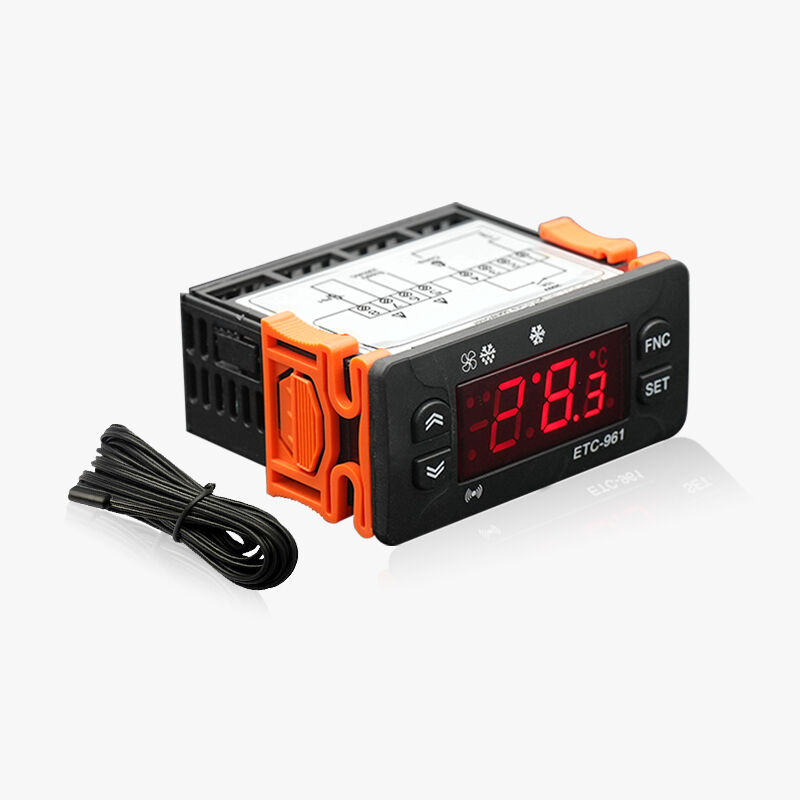
Modern temperature control systems rely heavily on sophisticated digital thermostat technology to maintain precise environmental conditions across various applications. Whether you're managing commercial refrigeration units, industrial cooling systems, or specialized temperature-sensitive equipment, understanding how to troubleshoot your digital thermostat can save significant time and operational costs. These advanced controllers have become indispensable in maintaining optimal temperatures for food preservation, manufacturing processes, and climate control applications.
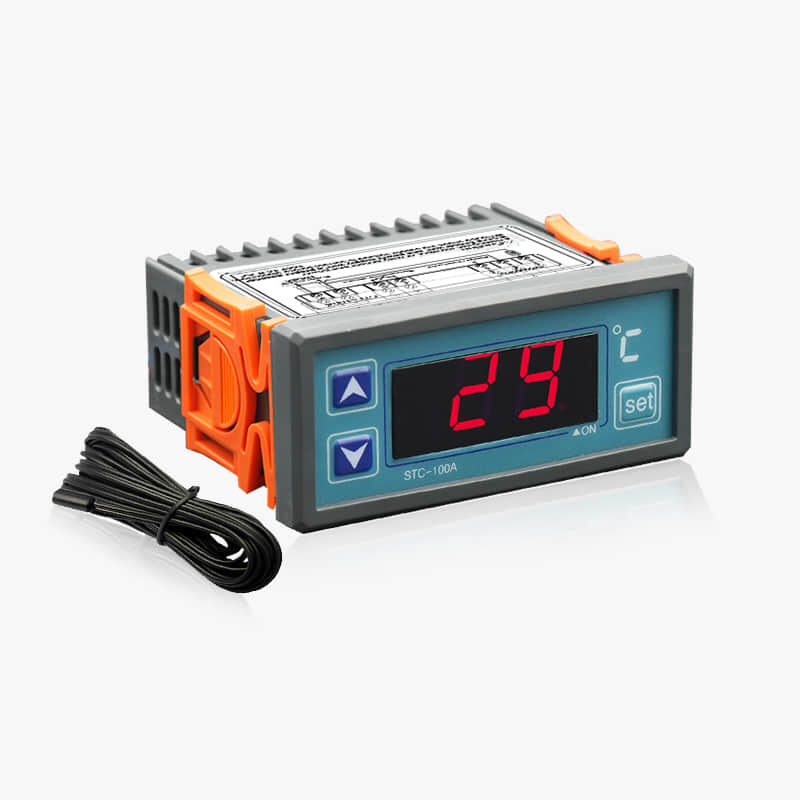
Unlike traditional mechanical thermostats, a digital thermostat incorporates microprocessor technology to deliver superior accuracy and programmable functionality. However, this complexity also introduces potential issues that require systematic troubleshooting approaches. Understanding the common problems and their solutions empowers operators to maintain consistent performance and avoid costly system failures that could compromise product quality or operational efficiency.
Understanding Digital Thermostat Operations
Core Functionality and Components
The fundamental operation of a digital thermostat centers around precise temperature sensing, signal processing, and output control mechanisms. These devices utilize advanced sensor technology, typically thermistors or RTD sensors, to detect temperature variations with exceptional accuracy. The microprocessor continuously monitors input signals and compares them against user-defined setpoints to determine appropriate control actions.
Internal components include the main control board, display interface, temperature sensors, relay outputs, and power supply circuits. Each component plays a critical role in overall system performance, and understanding their interactions helps identify potential failure points. The digital thermostat processes sensor data through sophisticated algorithms that account for factors like temperature differential, delay timing, and safety parameters to prevent equipment damage.
Signal Processing and Control Logic
Advanced digital thermostat units employ complex control algorithms to maintain stable temperature conditions while minimizing energy consumption. These systems utilize proportional-integral-derivative control strategies or simple on-off logic depending on application requirements. The processing unit continuously evaluates temperature trends and adjusts output timing to prevent temperature overshoot or undershoot conditions.
Communication protocols within the digital thermostat enable integration with building management systems or remote monitoring platforms. This connectivity allows for centralized control, data logging, and predictive maintenance scheduling. Understanding these communication pathways becomes essential when troubleshooting connectivity issues or programming problems that affect system coordination.
Common Display and Interface Problems
Blank or Corrupted Display Issues
Display problems represent one of the most frequently encountered digital thermostat malfunctions. When the display remains blank or shows corrupted characters, several underlying causes could be responsible. Power supply issues often manifest as display problems, requiring verification of input voltage levels and internal power regulation circuits. Loose connections between the display module and main control board can also cause intermittent or permanent display failures.
Environmental factors such as extreme temperatures, moisture exposure, or electrical interference can damage display components over time. Digital displays are particularly susceptible to condensation damage in high-humidity environments. Regular inspection and protective measures help prevent these issues from developing into complete system failures that require expensive component replacement.
Button Response and Programming Difficulties
Unresponsive control buttons or erratic programming behavior often indicates membrane switch degradation or internal software conflicts. The digital thermostat interface relies on precise tactile feedback to register user inputs accurately. When buttons become sticky, unresponsive, or produce multiple inputs from single presses, mechanical cleaning or component replacement may be necessary.
Software lockups or corrupted programming can cause the digital thermostat to reject parameter changes or display incorrect information. These issues typically require system resets or firmware updates to restore proper functionality. Understanding the specific reset procedures for your model prevents data loss and ensures proper restoration of factory default settings when necessary.
Temperature Sensing and Accuracy Problems
Sensor Calibration and Drift Issues
Temperature accuracy problems in digital thermostat systems frequently stem from sensor calibration drift or physical sensor damage. Over time, temperature sensors can lose accuracy due to aging, contamination, or mechanical stress. Regular calibration verification using certified reference instruments helps identify when sensor replacement becomes necessary to maintain system accuracy requirements.
Environmental contamination around sensor locations can significantly impact reading accuracy. Oil films, dust accumulation, or chemical residues can insulate sensors from actual ambient conditions, causing the digital thermostat to make control decisions based on incorrect temperature data. Proper sensor mounting, protection, and regular cleaning procedures help maintain measurement integrity throughout the system lifecycle.
Wiring and Connection Faults
Temperature sensor wiring problems create some of the most challenging diagnostic scenarios in digital thermostat troubleshooting. Broken wires, loose connections, or corrosion at terminal points can cause erratic readings, complete sensor failures, or intermittent operation. Resistance measurements and continuity testing help identify wiring issues that may not be visually apparent during routine inspections.
Electromagnetic interference from nearby equipment can introduce noise into sensor circuits, causing the digital thermostat to display fluctuating or unstable temperature readings. Proper cable routing, shielding installation, and grounding techniques minimize interference effects. Understanding signal characteristics and acceptable noise levels helps distinguish between actual temperature variations and electrical interference problems.
Control Output and Relay Malfunctions
Relay Contact Problems
Output relay failures represent critical digital thermostat malfunctions that directly impact system control capability. Relay contacts experience wear from repeated switching cycles, potentially developing high resistance connections or complete open circuits. These failures prevent the digital thermostat from properly controlling connected equipment, leading to temperature excursions or system shutdown conditions.
Arc damage from high current loads or voltage spikes can weld relay contacts in closed positions, creating continuous operation conditions that bypass digital thermostat control. This situation poses significant safety risks and can cause equipment overheating or energy waste. Regular contact inspection and load current verification help identify relay deterioration before complete failure occurs.
Output Circuit Diagnostics
Diagnosing output circuit problems requires systematic testing of voltage levels, current flow, and load characteristics. The digital thermostat output circuits must provide adequate switching capacity for connected loads while maintaining electrical isolation between control and power circuits. Insufficient relay ratings or excessive load currents can cause premature failure and unreliable operation.
Short circuits or ground faults in output wiring can damage digital thermostat output stages, requiring component replacement and circuit protection upgrades. Proper circuit protection devices and load analysis prevent these damaging conditions from developing. Understanding load characteristics and proper sizing guidelines ensures long-term reliability of digital thermostat output circuits.
Power Supply and Electrical Issues
Voltage Fluctuations and Power Quality
Power supply problems frequently cause erratic digital thermostat behavior, including display flickering, programming loss, or complete system resets. Voltage fluctuations outside specified operating ranges can damage sensitive electronic components or cause temporary malfunctions that appear intermittently. Power quality monitoring helps identify supply issues that may not be immediately apparent during normal operation.
Electrical noise from variable frequency drives, welding equipment, or switching power supplies can interfere with digital thermostat operations. These interference sources inject high-frequency signals into power lines that can disrupt microprocessor operations or corrupt stored programming. Proper filtering and isolation techniques minimize these effects while maintaining reliable system operation.
Grounding and Installation Considerations
Improper grounding practices create numerous problems in digital thermostat installations, including measurement errors, communication failures, and increased susceptibility to electrical interference. Establishing proper ground references and eliminating ground loops ensures accurate signal processing and protects against voltage surges or electrical faults that could damage sensitive components.
Installation location factors such as vibration, temperature extremes, or corrosive atmospheres can accelerate component degradation in digital thermostat systems. Environmental protection measures and proper mounting techniques extend equipment lifespan while maintaining reliable performance. Understanding environmental limitations helps select appropriate protection methods and installation practices for specific applications.
Preventive Maintenance and Best Practices
Regular Inspection Schedules
Establishing systematic preventive maintenance routines significantly reduces digital thermostat failure rates and extends equipment service life. Regular visual inspections identify developing problems such as loose connections, corrosion, or physical damage before they cause system failures. Documentation of inspection results creates valuable historical data for predicting maintenance needs and optimizing replacement schedules.
Calibration verification procedures ensure ongoing accuracy of digital thermostat measurements throughout the operational lifecycle. Periodic comparison with certified reference instruments identifies calibration drift that could affect process control quality. Maintaining calibration records demonstrates compliance with quality standards and supports troubleshooting efforts when accuracy problems develop.
Environmental Protection Measures
Protecting digital thermostat installations from environmental hazards prevents many common failure modes and extends equipment reliability. Moisture intrusion represents one of the most damaging environmental factors, causing corrosion, short circuits, and component degradation. Proper enclosure sealing and ventilation design maintains appropriate internal conditions while preventing contamination.
Temperature cycling stress can cause solder joint failures and component expansion problems in digital thermostat circuits. Installing equipment within specified temperature ranges and providing adequate ventilation prevents thermal stress damage. Understanding thermal cycling effects helps predict maintenance requirements and optimize installation practices for challenging environments.
FAQ
Why does my digital thermostat display show incorrect temperatures
Incorrect temperature displays typically result from sensor calibration problems, wiring issues, or environmental interference affecting measurement accuracy. Start by verifying sensor connections and checking for physical damage or contamination around the sensor location. If connections appear normal, perform a calibration check using a certified reference thermometer to determine if sensor replacement or system recalibration is needed.
What causes a digital thermostat to stop responding to button presses
Unresponsive controls usually indicate membrane switch failure, software lockup, or power supply problems affecting the microprocessor operation. Try performing a system reset according to manufacturer instructions, which often resolves software-related issues. If the problem persists, check power supply voltage levels and consider membrane switch replacement if mechanical damage is evident.
How do I troubleshoot relay output problems in my digital thermostat
Relay troubleshooting requires testing both the control signal from the digital thermostat and the physical relay contacts. Use a multimeter to verify that the control output changes state when temperature setpoints are crossed. Then check relay contact resistance and continuity to identify worn or damaged contacts that need replacement. Also verify that load currents don't exceed relay specifications.
When should I replace my digital thermostat instead of repairing it
Consider replacement when repair costs exceed 60-70% of new equipment cost, when multiple components have failed simultaneously, or when the existing digital thermostat lacks features needed for current applications. Age-related component obsolescence, inability to obtain replacement parts, or requirements for enhanced connectivity and control capabilities also justify replacement over continued repairs.