
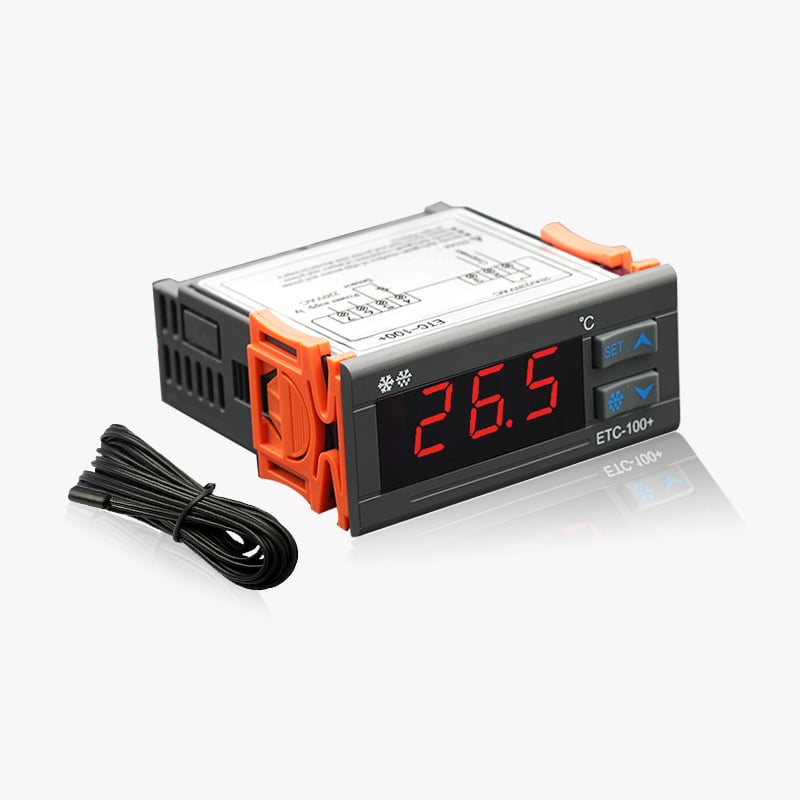
A cold room controller is the intelligent brain behind any industrial refrigeration system, managing temperature precision and system safety across food storage, pharmaceutical facilities, and industrial processing environments. When your cold room controller displays an error code, quick diagnosis becomes critical to prevent product loss, maintain regulatory compliance, and avoid costly downtime. Understanding what these error codes mean and how to resolve them separates efficient facility managers from those facing repeated service calls and production delays.
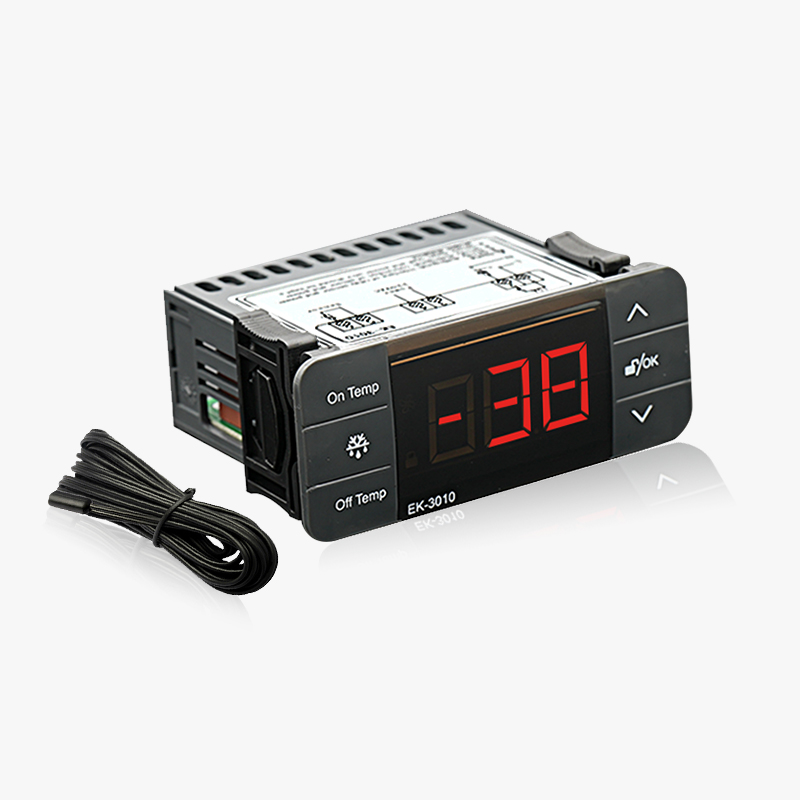
This troubleshooting guide walks through the most common error codes your cold room controller may display, what triggers them, and the practical steps to restore normal operation. Whether you manage a small walk-in freezer or a large-scale refrigerated warehouse, decoding these signals saves time and protects your investment in reliable temperature management.
Understanding Cold Room Controller Error Code Basics
How Error Codes Communicate System Status
Your cold room controller uses error codes as a diagnostic language to report equipment status and faults. Each code represents a specific condition detected by the sensors and logic circuits within the controller. When a cold room controller identifies a problem—whether a sensor malfunction, compressor fault, or temperature excursion—it displays a unique code to alert you before the situation escalates into equipment damage or product spoilage.
The cold room controller constantly monitors temperature inputs, compressor runtime, defrost cycles, and electrical supply conditions. When any parameter drifts beyond acceptable limits, the controller triggers an alarm sequence and logs an error code to its display or memory. Understanding this communication system helps you respond faster and with greater confidence, reducing guesswork and unnecessary service costs.
Importance of Rapid Error Code Response
Ignoring or delaying response to a cold room controller error code can amplify costs and risks. A sensor failure caught early may require only sensor replacement, but if left unaddressed, the cold room controller may cycle erratically, causing temperature fluctuations that compromise product quality and regulatory standing. In pharmaceutical or food manufacturing contexts, a delayed response to a cold room controller malfunction can trigger product recalls, regulatory inspections, and reputational damage.
Rapid error code response also prevents secondary failures. When a cold room controller detects a compressor overload and stops the unit to protect equipment, immediate intervention can restore normal operation before the system cools completely, avoiding unnecessary downtime.
Common Cold Room Controller Error Codes and Solutions
Temperature Sensor Errors in Cold Room Controller Systems
Temperature sensor faults rank among the most frequent cold room controller error codes. These codes typically appear as 'E1', 'E2', 'Sensor Fail', or similar designations, depending on your cold room controller model and manufacturer. A sensor error indicates the cold room controller cannot reliably read the evaporator temperature, condensing temperature, or ambient room temperature required to maintain precise control.
To troubleshoot a temperature sensor error on your cold room controller, first verify the physical sensor connection at the controller input terminals. Corrosion, loose wiring, or moisture intrusion commonly cause intermittent sensor signals. Clean the connector contacts with an electronics-grade contact cleaner and reseat the connection firmly. If the error persists after reconnection, the sensor itself likely requires replacement. Swap the suspected sensor with a known-good unit to confirm the fault before ordering replacement parts for your cold room controller.
Compressor and Discharge Pressure Faults
Discharge pressure errors appear when your cold room controller detects unusually high pressure in the refrigeration circuit. These codes—often labeled 'High Pressure', 'HP Fault', or 'E5'—indicate the compressor is working against excessive resistance, a condition that stresses the cold room controller's load management logic and risks equipment damage. Common causes include dirty condenser coils, refrigerant overcharge, or air trapped in the circuit.
When your cold room controller displays a high-pressure error, immediately check the condenser coils for dust, lint, or debris blockage. A clean condenser restores airflow and pressure balance, often clearing the error within minutes. If the cold room controller error persists after cleaning, check refrigerant charge level using a calibrated pressure gauge—overcharge is a common culprit requiring professional recovery and recharge. A well-maintained cold room controller reduces pressure faults by averaging pressures and detecting trends early.
Defrost Cycle and Time-Out Errors
The cold room controller manages periodic defrost cycles to melt frost buildup on evaporator coils. When frost accumulation blocks heat transfer, the cold room controller may display a defrost timeout code, signaling that the coil did not reach a target temperature during the scheduled defrost period. This error points to reduced system efficiency and potential compressor overwork if left uncorrected.
Defrost errors in your cold room controller often result from excessive moisture intrusion into the refrigerated space. Check door seals, inspect the condensate drain line for blockage, and reduce infiltration by limiting door-open time. If the cold room controller continues logging defrost faults despite lower humidity, the defrost heater element may have failed, requiring replacement to restore normal frost melting during defrost cycles.
Preventive Maintenance to Minimize Cold Room Controller Errors
Scheduled Inspection and Sensor Verification
Proactive maintenance dramatically reduces cold room controller error codes and unplanned downtime. Establish a monthly inspection schedule that includes verifying all sensor connections, documenting temperature readings, and checking for physical damage to the cold room controller housing. A simple continuity test with a multimeter confirms that sensor wiring is intact and free from corrosion that might trigger intermittent cold room controller faults.
Document baseline performance metrics for your cold room controller to establish a reference point for comparison. When error codes do appear, compare current readings against historical data to identify gradual drift that precedes failure. This trend analysis helps your cold room controller predictive maintenance program catch problems before they interrupt operations.
Refrigeration Circuit and Compressor Health Checks
Maintaining proper refrigerant charge and clean heat exchanger surfaces prevents many cold room controller pressure-related errors. Quarterly condenser cleaning removes dust accumulation that forces the compressor to work harder, increasing discharge pressure and triggering the cold room controller's protective shutdown sequence. Similarly, clean evaporator coils reduce suction-side pressure spikes that stress the cold room controller's load detection circuits.
Have a certified technician perform annual refrigerant system analysis on your cold room controller installation. Verify charge level, check for leaks using electronic detectors, and confirm proper oil circulation. These checks prevent slow leaks that degrade cold room controller performance and ultimately trigger fault codes that halt cooling operations unexpectedly.
Electrical Supply and Communication Diagnostics
Power quality directly impacts cold room controller reliability. Voltage fluctuations, phase imbalance, or inadequate grounding can trigger cryptic errors or intermittent faults that complicate diagnosis. Install a power analyzer to verify that supply voltage remains within the cold room controller manufacturer's specified tolerance band, typically ±10 percent of nominal voltage. If external electrical noise or low voltage is detected, work with your facility's electrical team to install isolation transformers or dedicated circuits that stabilize cold room controller operation.
FAQ
What should I do when my cold room controller first displays an error code?
Document the exact error code and note the time it appeared. Check the cold room controller manual for the code definition—many manufacturers include a quick-reference guide on the unit's back panel or inside the enclosure cover. Verify physical connections to sensors and power supply, then power-cycle the cold room controller by switching it off for 30 seconds and restarting. If the cold room controller error clears and does not return within 24 hours, continue normal operation while monitoring the system closely. If the error repeats, contact a qualified technician to diagnose the underlying fault.
Can I continue operating my cold room controller with an active error code?
Most cold room controller designs include a safety override that either stops refrigeration or runs in a reduced-capacity mode when certain errors are active. Temperature-critical applications cannot tolerate continued operation, as the cold room controller may lose precision control or fail to protect against temperature excursions. Sensor faults, for example, prevent your cold room controller from reading actual conditions, risking product quality loss. Always treat an active cold room controller error code as a signal to pause non-emergency operations and seek diagnosis rather than pushing through the fault. The brief downtime for troubleshooting protects inventory and equipment.
How often should I replace sensors in my cold room controller system?
Quality temperature sensors in a well-maintained cold room controller installation typically function reliably for five to seven years in indoor, climate-controlled environments. Harsh conditions—high humidity, temperature cycling, or vibration—accelerate sensor drift and failure, requiring replacement every three to five years. Use a cold room controller with sensor diagnostics built into its monitoring logic to detect degradation before complete failure. When your cold room controller shows early sensor drift warnings, proactively schedule replacement during planned maintenance windows rather than waiting for a sudden fault code during critical operations.