
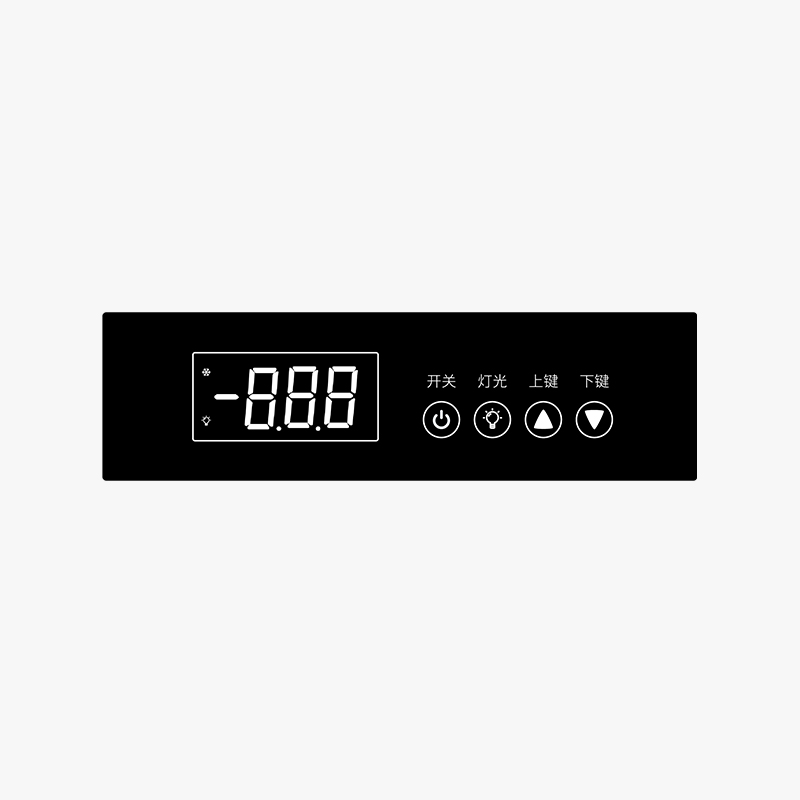
Temperature controllers are the backbone of any reliable commercial refrigeration system, ensuring that your products remain at optimal conditions while minimizing energy waste and operational costs. Whether you operate a supermarket, restaurant, pharmaceutical facility, or food distribution center, selecting the right temperature controllers for your commercial refrigerators, freezers, and cold rooms directly impacts product quality, regulatory compliance, and profitability. In 2026, modern temperature controllers combine precision, connectivity, and ease of use to meet the evolving demands of the commercial refrigeration industry.
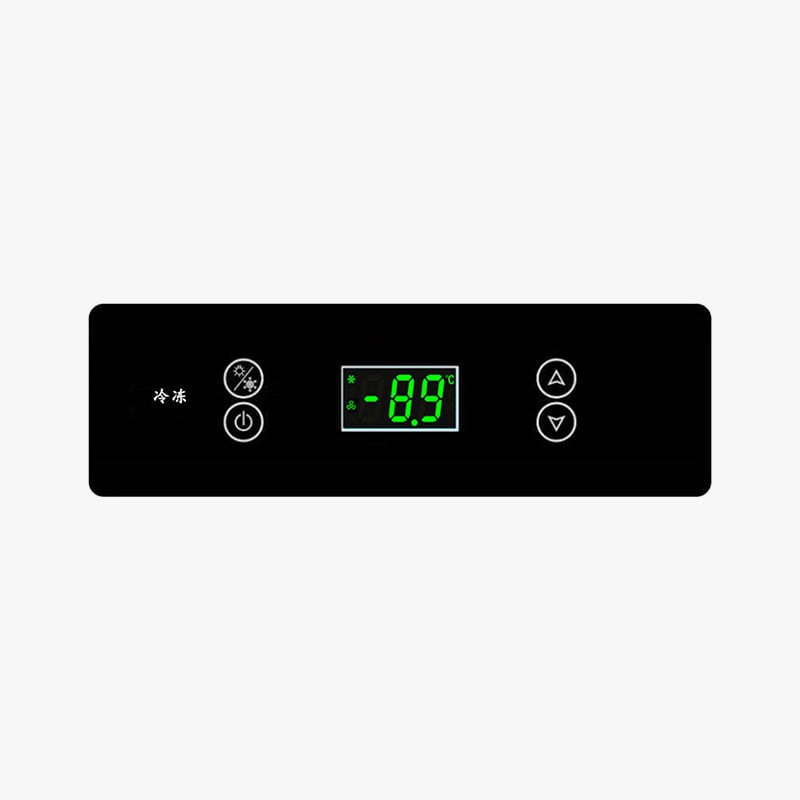
The choice of temperature controllers determines how effectively your refrigeration equipment maintains critical temperature ranges, prevents spoilage, and complies with food safety standards. Today's leading temperature controllers offer advanced features such as digital displays, remote monitoring capabilities, automatic defrost cycles, and alarm systems that alert operators to deviations before they become problems. Understanding the key characteristics and selection criteria for temperature controllers helps businesses invest wisely in solutions that deliver both immediate performance and long-term reliability.
Core Features of Modern Temperature Controllers
Precision and Accuracy in Temperature Maintenance
Effective temperature controllers maintain precise setpoint control, typically within ±1°C to ±2°C, which is essential for preserving product integrity and extending shelf life. High-quality temperature controllers use advanced sensor technology and feedback loops to prevent temperature fluctuations that can compromise food safety or damage sensitive products. The best temperature controllers minimize overshoot and undershoot cycles, reducing unnecessary compressor cycling and extending equipment lifespan while lowering energy consumption.
Display and User Interface Standards
Modern temperature controllers feature clear digital displays that show current temperature, setpoint, and operational status at a glance. User-friendly interfaces on temperature controllers allow operators to adjust settings, review historical data, and respond quickly to alerts without requiring extensive training. Premium temperature controllers include programmable logic for multi-stage cooling, defrost scheduling, and adaptive control algorithms that automatically optimize performance based on ambient conditions and load variations.
Selection Criteria for Commercial Refrigeration Applications
Matching Temperature Controllers to Equipment Type
Selecting the right temperature controllers depends on understanding your specific equipment requirements. For standard commercial refrigerators maintaining 2°C to 8°C, you need temperature controllers with standard cooling relay outputs and reliable sensor inputs. Freezer applications requiring -18°C to -25°C operation demand temperature controllers with enhanced defrost capabilities to prevent frost accumulation and maintain airflow efficiency. Cold room installations benefit from temperature controllers with larger display screens, remote bulb sensors, and multi-zone capability to manage multiple storage areas simultaneously.
Connectivity and Monitoring Features
Contemporary temperature controllers integrate IoT connectivity for remote monitoring via mobile apps or cloud platforms, enabling facility managers to track conditions across multiple units from anywhere. Advanced temperature controllers include data logging functions that record temperature history, compressor runtime, and defrost cycles for compliance documentation and performance analysis. Real-time alert systems in temperature controllers notify staff of temperature excursions, sensor failures, or maintenance requirements, preventing costly product losses and ensuring regulatory adherence in temperature-sensitive industries.
Performance Optimization and Operational Benefits
Energy Efficiency and Cost Reduction
Premium temperature controllers reduce energy consumption by optimizing compressor duty cycles and minimizing temperature overshoot, directly lowering utility bills and carbon footprint. Intelligent temperature controllers implement adaptive setpoint management that responds to facility load variations, external temperature changes, and compressor efficiency patterns. The payback period for upgrading to advanced temperature controllers typically ranges from 12 to 24 months through energy savings alone, making them a strategic investment for cost-conscious operations.
Reliability and Maintenance Support
Durable temperature controllers are built with industrial-grade components designed to withstand cold environments, humidity, and vibration common in commercial refrigeration settings. Reputable temperature controllers come with comprehensive warranty coverage, readily available replacement sensors and parts, and responsive technical support. Preventive maintenance features in temperature controllers include automatic self-diagnostics, predictive alerts for component wear, and detailed diagnostic codes that help service technicians quickly identify and resolve issues, minimizing downtime and repair costs.
Installation and Integration Considerations
Compatibility and Setup Requirements
Before purchasing temperature controllers, verify electrical specifications including voltage requirements, power consumption, and control output compatibility with your existing refrigeration compressors, solenoid valves, and defrost heaters. Temperature controllers must accommodate your sensor type—whether thermistor, resistance temperature detector (RTD), or thermocouple—to ensure accurate temperature measurement. Installation of temperature controllers requires proper mounting away from direct cold airflow, accurate sensor placement in representative temperature zones, and secure wiring to prevent electrical faults and sensor interference.
Training and Operational Best Practices
Successful deployment of temperature controllers requires staff training on display navigation, alarm interpretation, manual override procedures, and routine calibration checks. Documentation and user manuals for temperature controllers should be accessible to all facility personnel to ensure consistent operation and troubleshooting. Regular calibration verification of temperature controllers, typically quarterly or semi-annually depending on regulatory requirements, maintains accuracy and ensures compliance with food safety and pharmaceutical storage standards.
FAQ
What are the main advantages of digital temperature controllers over mechanical thermostats for commercial refrigeration?
Digital temperature controllers offer superior precision, programmable logic for automated defrost cycles, remote monitoring capabilities, and detailed alarm systems that mechanical thermostats cannot provide. Temperature controllers enable real-time data tracking, faster response to temperature deviations, and integration with facility management systems for comprehensive oversight. Modern temperature controllers reduce product loss from temperature excursions and simplify compliance reporting for regulated industries, making them invaluable investments compared to outdated mechanical alternatives.
How often should temperature controllers be calibrated and serviced?
Most temperature controllers require calibration verification at least quarterly, with annual professional calibration recommended for critical applications in pharmaceutical, food processing, and laboratory environments. Temperature controllers should be inspected for sensor corrosion, display clarity, and relay functionality during routine maintenance cycles. Documentation of temperature controller calibration records, performed adjustments, and any repairs becomes essential for audit trails and regulatory compliance in temperature-sensitive industries.
Can temperature controllers be retrofitted to existing commercial refrigeration units?
Yes, temperature controllers can typically be retrofitted to existing equipment if the installation location provides adequate space, the electrical connections are compatible, and the sensor type matches your application requirements. Professional installation of temperature controllers ensures proper integration with existing compressor controls, defrost systems, and safety features. Retrofitting with modern temperature controllers often extends the operational life of aging refrigeration equipment while adding advanced monitoring and energy-saving capabilities that improve performance and reduce operating costs.