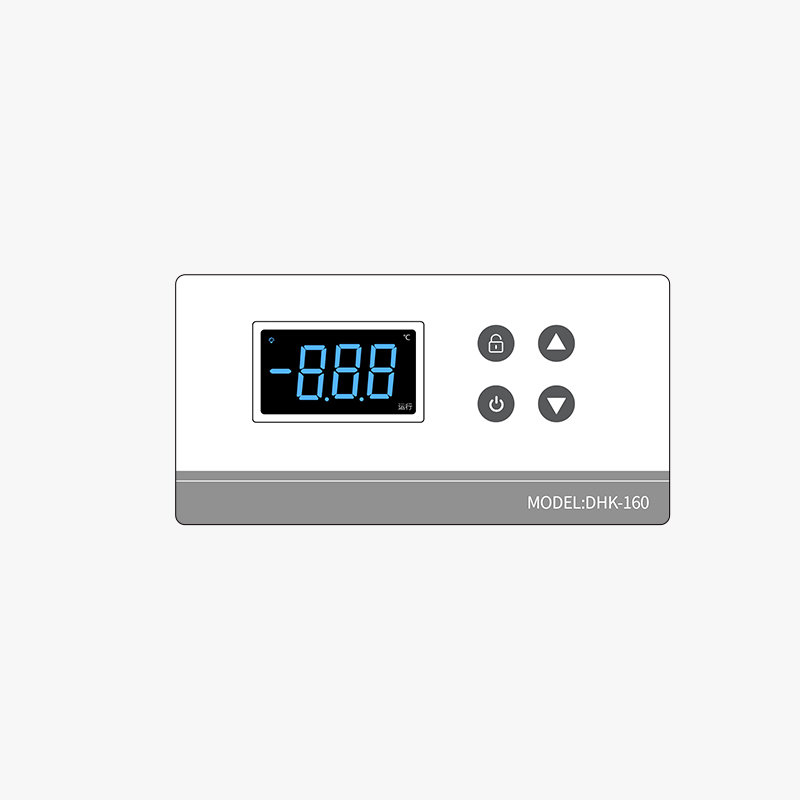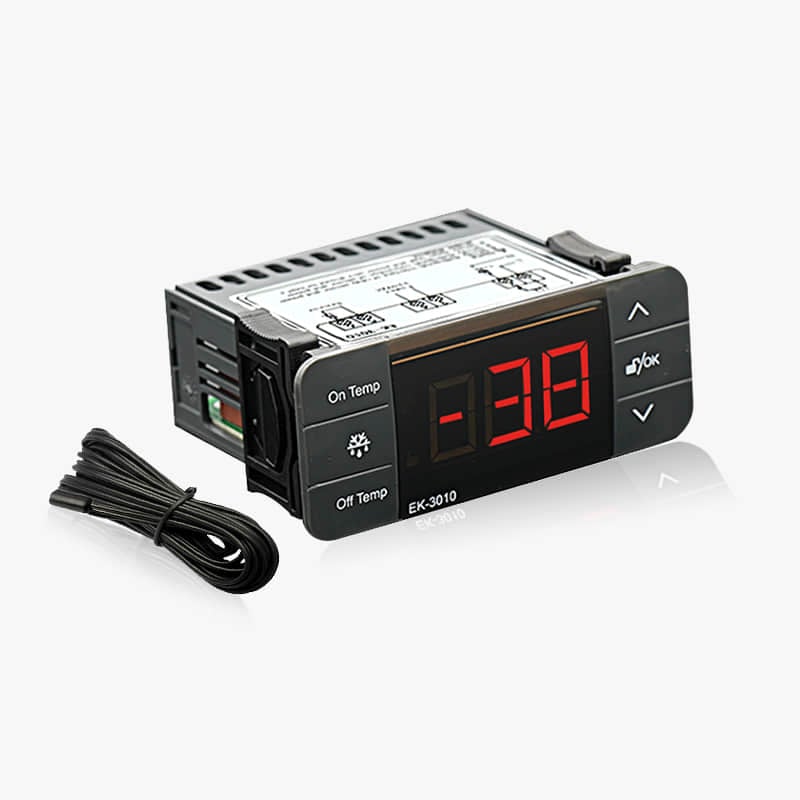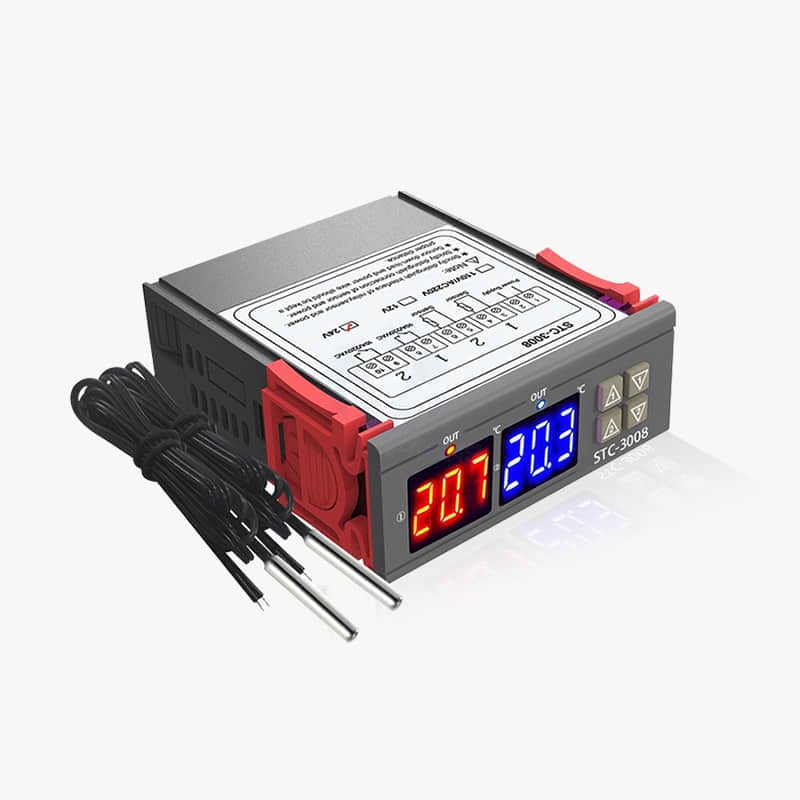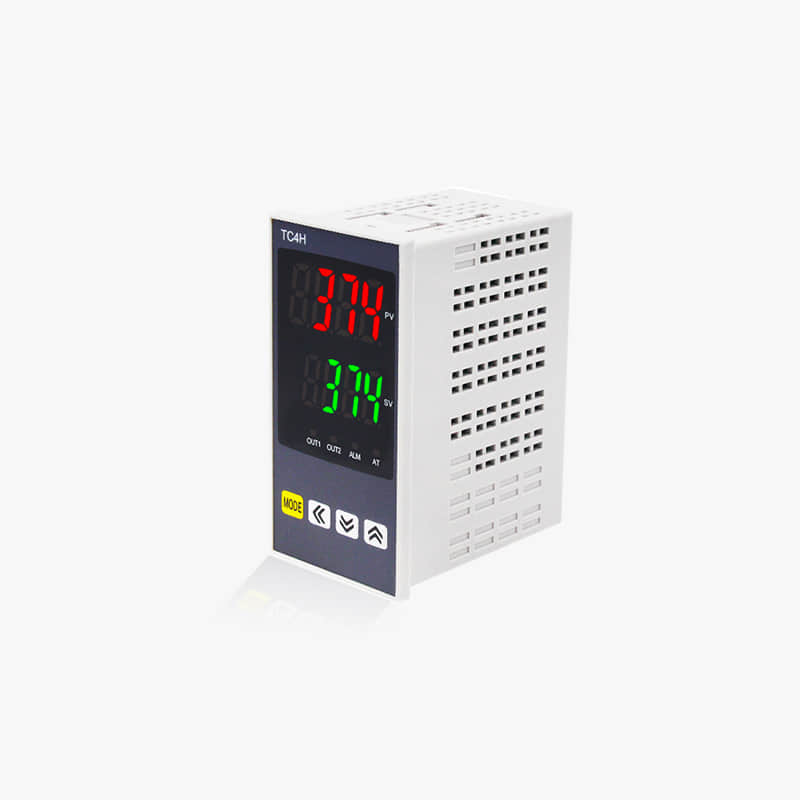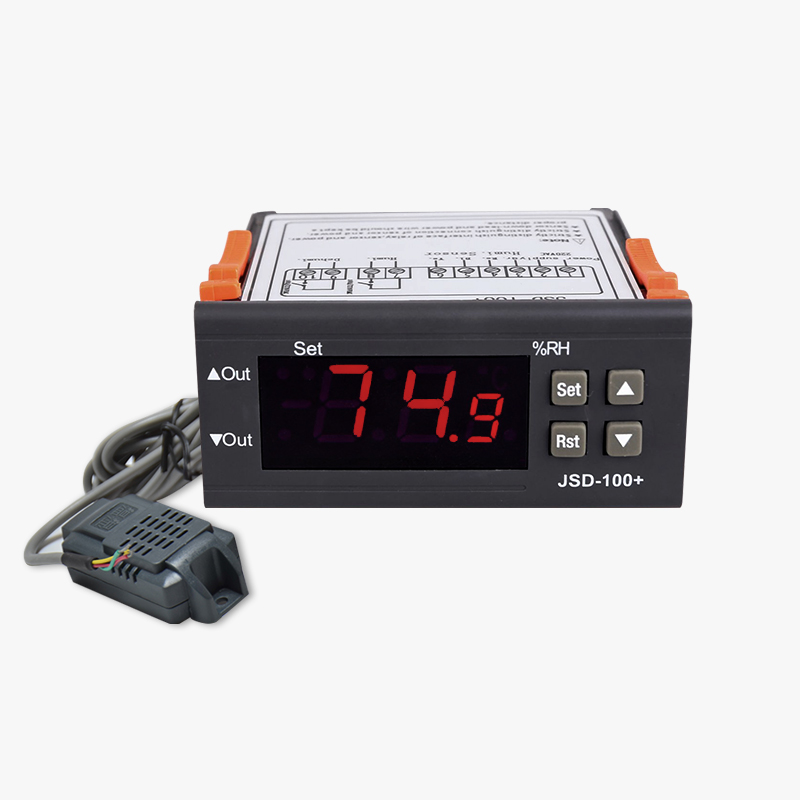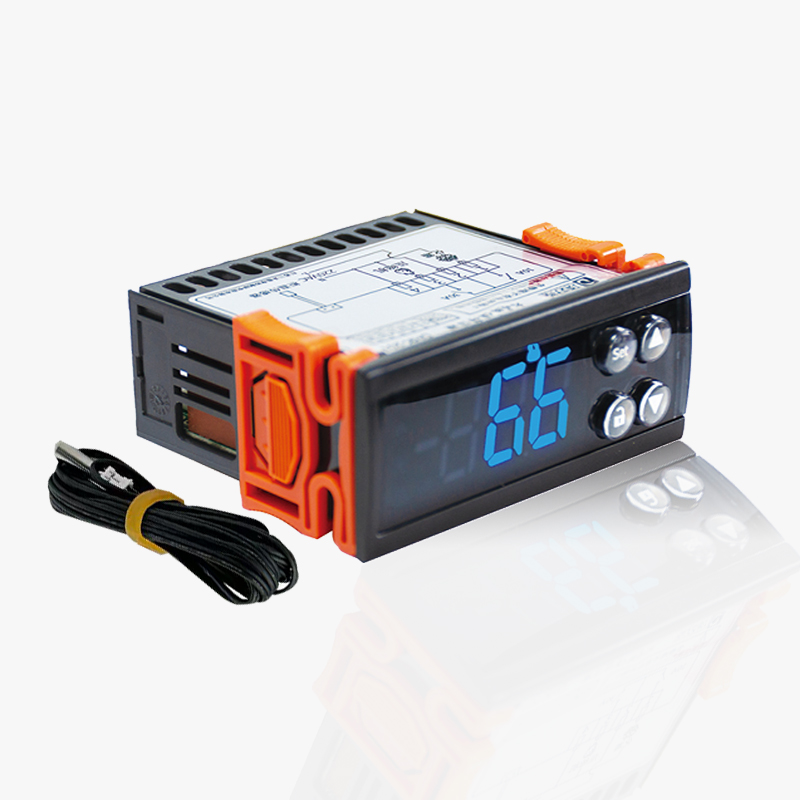
Searching for a WiFi temperature controller often produces products designed for aquariums, greenhouses, home brewing or general heating applications.
Although these products may offer WiFi connectivity, they may not include the compressor protection, fan control, defrost logic or electrical structure required for commercial refrigeration.
Professional buyers should therefore begin with the refrigeration application—not with the WiFi function alone.
The following seven checks can help refrigeration distributors, contractors and equipment manufacturers select a more suitable WiFi temperature controller.
Start by identifying the equipment in which the controller will be installed:
• Cold room
• Beverage cooler
• Refrigerated display cabinet
• Commercial freezer
• Workbench refrigerator
• Refrigeration unit
• Supermarket refrigeration equipment
Record the target temperature, ambient conditions, defrost method, fan operation and expected electrical load.
A controller suitable for a small refrigerated cabinet may not have the relay capacity, control logic or installation format required for a cold room.
Ask the supplier for a clear output table and wiring diagram.
Verify which outputs control the:
• Compressor
• Defrost heater
• Evaporator fan
• Alarm or auxiliary device
Where applicable, buyers should also confirm:
• Compressor-delay protection
• Defrost interval and duration
• Defrost-termination temperature
• Drip time
• Fan-delay logic
• Sensor-fault operation
• Temperature alarm logic
Never select a controller based only on its product title or front-panel appearance. Two models that look similar may use completely different internal programs.
Check the sensor type, cable length, measurement range and accuracy over the actual operating range.
Buyers should also confirm how the controller responds when the sensor is open, shorted or damaged.
For volume projects, test the sample against a calibrated reference at several temperatures. Testing only at room temperature may not reveal its performance under refrigeration or freezing conditions.
A useful WiFi function should be demonstrated—not simply printed on the product carton.
During sample evaluation, test:
• WiFi pairing
• Remote temperature display
• Remote parameter access
• High-temperature notification
• Low-temperature notification
• Sensor-fault notification
• Device-sharing process
• Local operation when the network is unavailable
If several employees or customers need access, confirm how the selected app handles additional users and permissions.
WiFi functions may vary according to the controller model, app and firmware version. Ask the supplier to demonstrate the exact sample that will be used for production approval.
Before placing an order, confirm:
• Supply voltage
• Frequency
• Relay rating
• Panel cut-out
• Controller dimensions
• Terminal arrangement
• Sensor connection
• Wiring diagram
• Required certifications
• Operating environment
For international distribution, discuss voltage options, packaging and manual languages before creating inventory.
The operating manual, parameter table, wiring diagram and controller firmware should describe the same functions and default values.
During sample approval, record:
• Model name
• Firmware version
• Supply voltage
• Sensor type
• Wiring diagram
• Default parameters
• Parameter limits
• Logo and panel design
• Packaging requirements
The approved information should become the inspection standard for mass production.
This helps prevent situations in which the operating manual describes a function that is not available in the physical controller, or the default parameter differs from the value shown in the documentation.
Professional buyers need more than a competitive unit price.
Ask whether the supplier can support:
• Parameter presets
• Logo printing
• Customized panel design
• Localized manuals
• Customized packaging
• Wiring confirmation
• Sample testing
• Technical problem analysis
• Firmware change control
• Mass-production consistency
A reliable supplier should have a clear process for confirming technical requirements before production.
1.Confirm the model, voltage, sensor and wiring.
2.Verify every advertised function on the physical sample.
3.Compare all default values with the manual.
4.Check the upper and lower limits of every parameter.
5.Test cooling, defrost and fan functions where applicable.
6.Test high- and low-temperature alarms.
7.Test sensor faults and power recovery.
8.Test WiFi pairing and remote viewing.
9.Test supported remote settings and app notifications.
10.Save an approved sample for comparison with mass production.
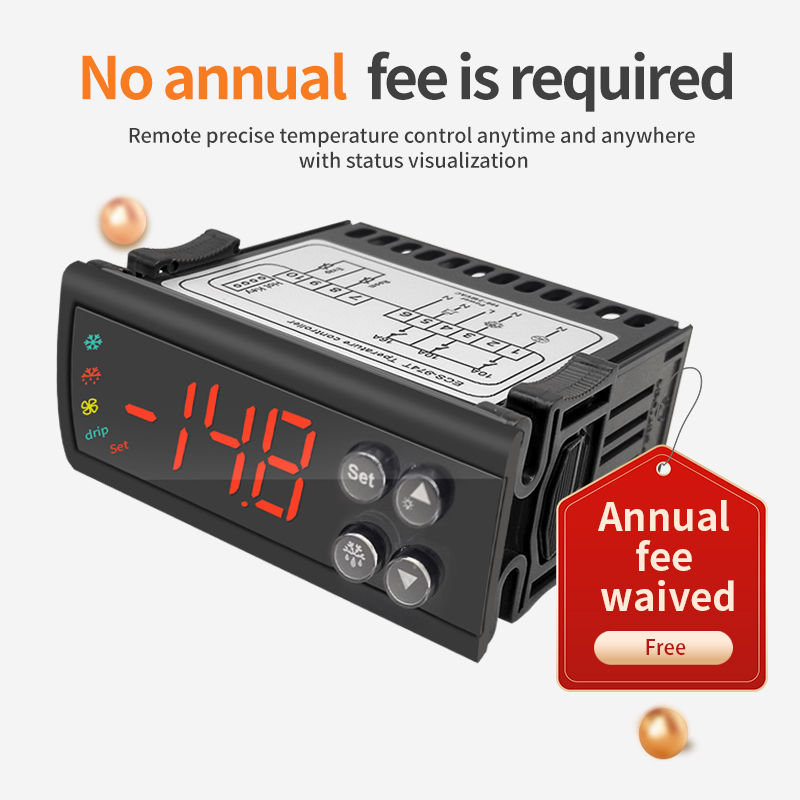
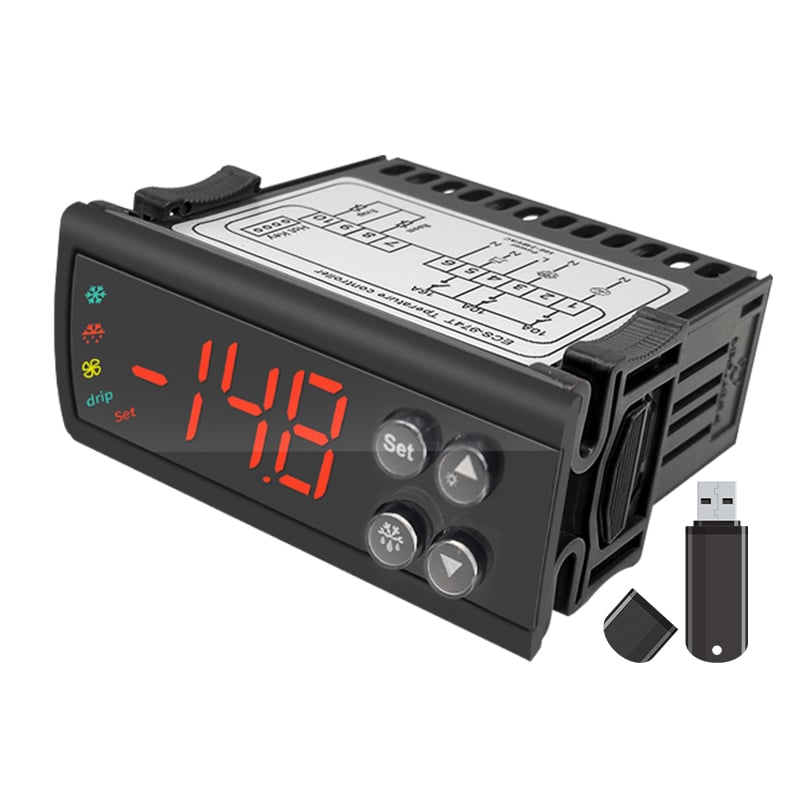
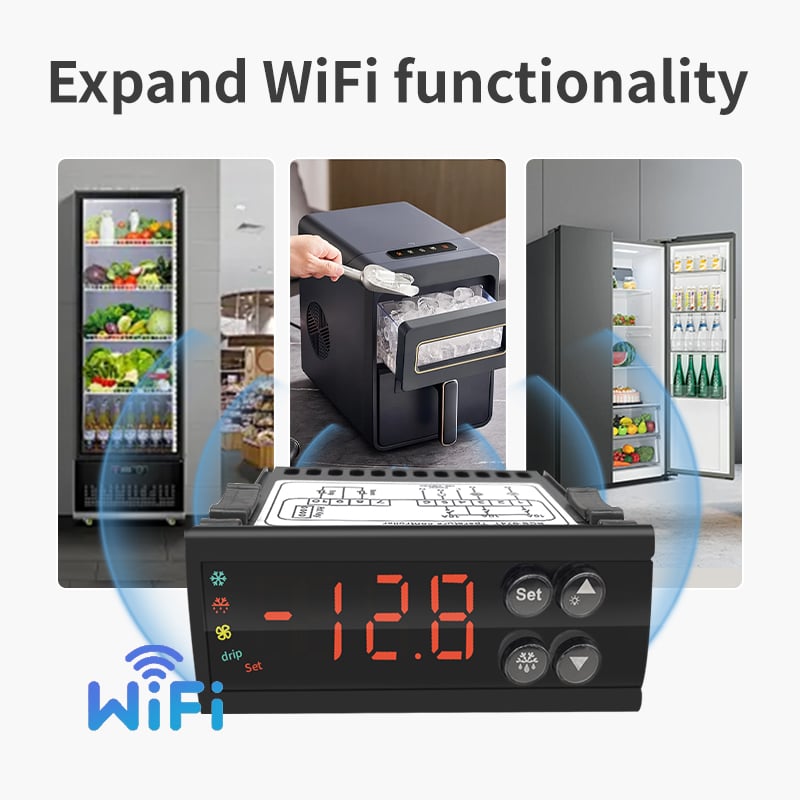
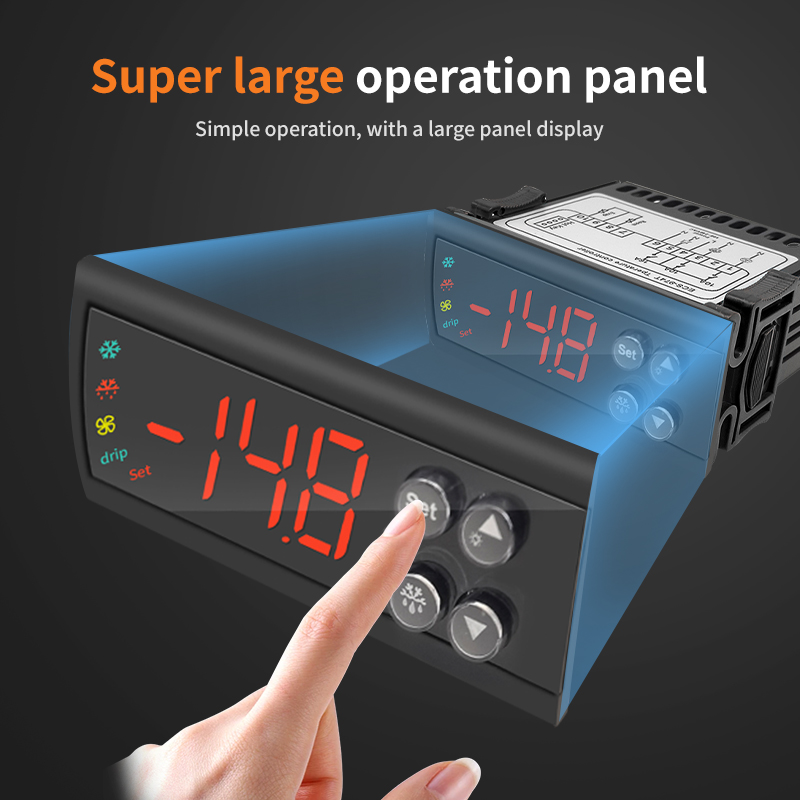
The SHTROL ECS-974T is a WiFi temperature controller developed for commercial refrigeration applications.
It combines digital temperature control with mobile connectivity and can provide remote temperature visibility, supported parameter access and compatible alarm notifications.
For an accurate recommendation, send SHTROL the following information:
• Equipment type
• Required control sequence
• Operating temperature
• Supply voltage
• Sensor requirements
• Required outputs
• Wiring diagram
• Estimated annual quantity
• OEM requirements
Providing complete application information allows the technical team to recommend a suitable configuration and prepare a more accurate quotation.
 Hot News
Copyright © 2026 Xuzhou sanhe automatic control equipment Co.,LTD. All right reserved
Privacy Policy