
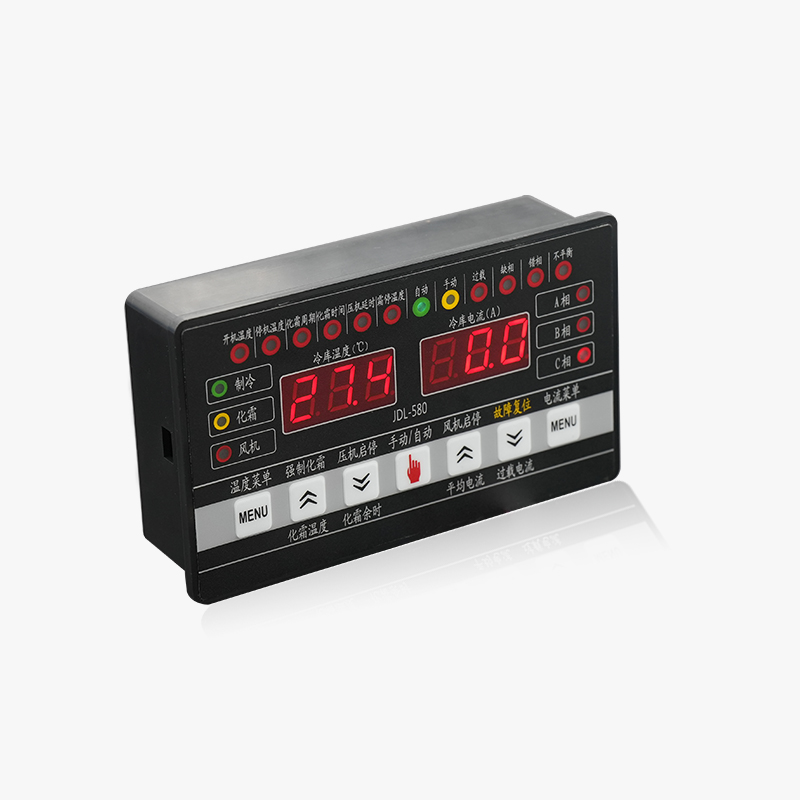
Selecting the right temperature controller manufacturer is a critical decision for any business operating refrigeration equipment. The temperature controller manufacturer you choose directly impacts your operational reliability, energy efficiency, product quality, and maintenance costs. Whether you operate commercial kitchens, food storage facilities, pharmaceutical warehouses, or industrial refrigeration systems, partnering with a qualified temperature controller manufacturer determines how effectively you maintain precise thermal conditions. This decision extends beyond initial equipment purchase to encompass long-term support, replacement availability, and system integration capabilities.
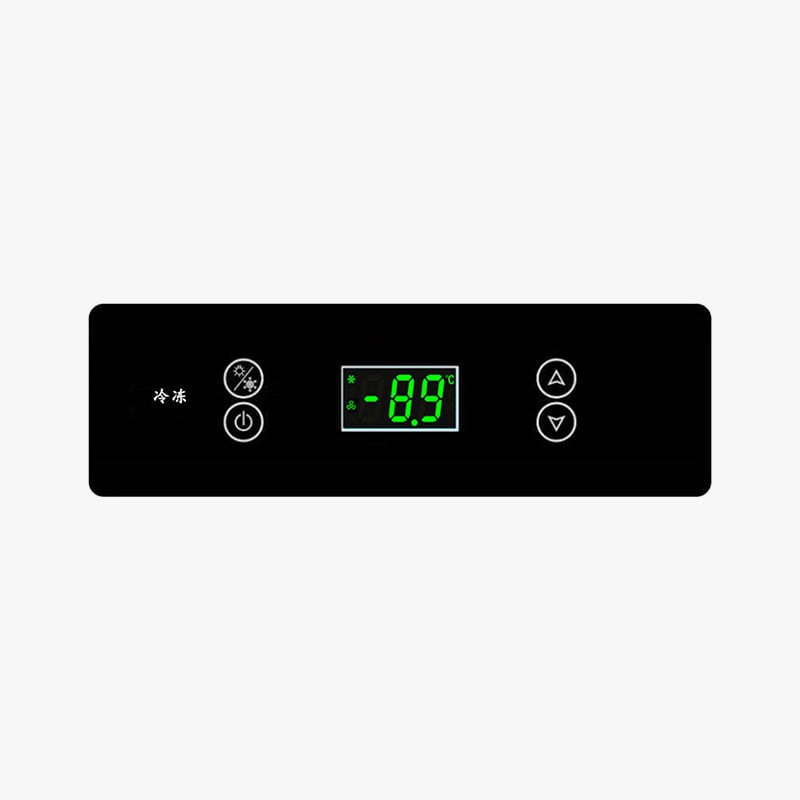
Finding the ideal temperature controller manufacturer requires understanding your equipment specifications, facility requirements, and operational priorities. A competent temperature controller manufacturer should demonstrate proven expertise in your specific refrigeration application, offer reliable product performance data, provide comprehensive technical support, and deliver components that integrate seamlessly with your existing systems. The evaluation process involves assessing manufacturing capabilities, quality certifications, product range, customization options, lead times, warranty terms, and after-sales service structures. This comprehensive approach ensures you establish a partnership that supports both immediate operational needs and future growth requirements.
Critical Selection Criteria for Temperature Controller Manufacturer Partnership
Technical Specifications and Equipment Compatibility
The first evaluation step involves verifying that a temperature controller manufacturer can supply components matching your precise technical requirements. Different refrigeration applications demand different controller specifications—commercial display cases require different temperature ranges and response times than pharmaceutical cold storage or industrial freezing systems. Your chosen temperature controller manufacturer must understand these distinctions and offer products with appropriate temperature ranges, sensor compatibility, voltage specifications, and communication protocols. Request detailed specifications sheets and conduct compatibility assessments before committing to any temperature controller manufacturer partnership.
Temperature accuracy represents another critical technical consideration when selecting a temperature controller manufacturer. Precision tolerances vary significantly across applications; food safety requires strict adherence to temperature standards, while comfort cooling allows broader ranges. The temperature controller manufacturer should clearly document accuracy ratings, response time characteristics, and performance under variable load conditions. Ask potential suppliers to provide performance data under conditions matching your specific operational environment, not just theoretical specifications. This verification ensures the temperature controller manufacturer can genuinely meet your thermal control demands.
Manufacturing Quality and Industry Certifications
A reliable temperature controller manufacturer maintains stringent quality control processes and holds relevant industry certifications. Look for certifications such as ISO 9001, which demonstrates systematic quality management, or industry-specific standards relevant to your sector. The temperature controller manufacturer should provide documentation of quality testing protocols, failure rate data, and continuous improvement initiatives. Request information about their manufacturing facilities, production capacity, and quality assurance procedures to confirm they operate at a professional standard.
Environmental and safety certifications matter significantly when evaluating a temperature controller manufacturer. Certifications such as CE marking, UL standards, or RoHS compliance indicate the temperature controller manufacturer adheres to regulatory requirements and safety standards. These credentials become particularly important in regulated industries like food processing and pharmaceuticals, where compliance failures create serious consequences. Verify that any temperature controller manufacturer candidate holds all certifications required in your jurisdiction and industry sector.
Evaluating Service, Support, and Partnership Capabilities
Technical Support Infrastructure and Response Capabilities
The quality of support distinguishes exceptional temperature controller manufacturers from merely adequate suppliers. Evaluate whether the temperature controller manufacturer offers multiple support channels—phone support, email, technical documentation, video resources, and on-site assistance when needed. Response time matters critically; equipment failures shouldn't wait days for manufacturer guidance. Ask prospective temperature controller manufacturer partners about typical response times, support hours, and escalation procedures for urgent issues. A competent temperature controller manufacturer recognizes that downtime creates real business costs for customers.
Documentation quality reveals much about a temperature controller manufacturer's commitment to customer success. Technical manuals should be clear, comprehensive, and available in your preferred language. Installation guides should provide step-by-step instructions with diagrams. Troubleshooting resources should help identify common issues quickly. The temperature controller manufacturer should provide training for your technical staff, either through in-person sessions or detailed video content. Organizations that invest heavily in customer education typically stand behind their products and understand that well-informed customers experience fewer problems.
Warranty Terms, Replacement Parts, and Long-Term Supply Assurance
Warranty coverage reflects a temperature controller manufacturer's confidence in product reliability and commitment to customer satisfaction. Compare warranty periods across potential suppliers—longer warranties often indicate higher confidence in product longevity. Beyond duration, examine what the temperature controller manufacturer's warranty actually covers: does it include labor, shipping, replacement parts, and return protection? Warranty terms should be clearly documented, easily accessible, and honored without excessive administrative barriers. A trustworthy temperature controller manufacturer backs their products with meaningful warranty protection rather than minimal coverage.
Parts availability and pricing significantly impact long-term ownership costs. Request information about how long the temperature controller manufacturer maintains part availability after product discontinuation. Supply chain disruptions occasionally occur, so confirm that your temperature controller manufacturer maintains strategic inventory and has backup suppliers for critical components. Ask about typical lead times for replacement parts and emergency availability options. Some temperature controller manufacturers offer emergency shipping for urgent replacements, which can be invaluable when critical equipment fails unexpectedly.
Market Reputation, References, and Cost-Value Assessment
Track Record and Industry Reputation in Temperature Control Solutions
A temperature controller manufacturer's reputation within your industry provides crucial insight into reliability and customer satisfaction. Research online reviews, industry publications, and peer recommendations to understand how actual customers view this temperature controller manufacturer. Connect with other businesses using products from potential suppliers to learn about real-world performance, support experiences, and unexpected challenges. Many experienced temperature controller manufacturer partners actively participate in industry forums and maintain strong relationships with long-term customers who serve as references.
When evaluating a temperature controller manufacturer's reputation, look for consistency across multiple sources. Occasional complaints are normal for any business, but patterns of unresolved issues indicate systemic problems. A reputable temperature controller manufacturer addresses complaints transparently and works toward genuine resolutions. Industry awards, recognition programs, and certifications also help validate a temperature controller manufacturer's standing. However, reputation ultimately rests on consistent delivery of quality products and reliable support over extended periods.
Total Cost Analysis and Value Proposition
Price alone shouldn't determine your temperature controller manufacturer selection, but cost analysis remains essential. Calculate total ownership costs beyond initial purchase price: consider warranty coverage, expected service requirements, typical replacement part costs, and energy efficiency ratings. A slightly more expensive temperature controller manufacturer might deliver lower overall costs through superior reliability and reduced maintenance needs. Compare warranty terms, support costs, and parts pricing carefully. The cheapest temperature controller manufacturer option often becomes expensive through unreliable performance and inadequate support.
Customization capabilities and flexibility should factor into your value assessment. Some temperature controller manufacturer options provide extensive customization for specific applications, while others offer only standard configurations. Assess whether customization adds genuine value for your situation or represents unnecessary complexity. Request quotes that clearly itemize all costs, including delivery, installation support, and warranty terms. This transparency helps compare temperature controller manufacturer options fairly and understand exactly what each partnership entails. A well-structured comparison prevents surprises and helps identify the temperature controller manufacturer that delivers optimal value for your specific circumstances.
FAQ
What questions should I ask a potential temperature controller manufacturer?
When contacting a temperature controller manufacturer, prioritize questions about technical specifications, performance under your specific operating conditions, quality certifications, warranty coverage, support availability, parts replacement timelines, and references from similar customers. Ask about customization capabilities, lead times for new orders and emergency parts, and how the temperature controller manufacturer handles product improvements or recalls. Request detailed documentation including technical specifications, installation guides, and troubleshooting resources. These questions help you thoroughly evaluate whether the temperature controller manufacturer can genuinely meet your requirements and provide satisfactory long-term partnership.
How do I verify a temperature controller manufacturer's quality claims?
Verify a temperature controller manufacturer's quality claims by requesting performance data, third-party test results, and industry certifications. Ask to review ISO certifications or quality management documentation. Request case studies or references from customers operating similar equipment in comparable environments. Some temperature controller manufacturers offer sample products or limited trial periods—taking advantage of these opportunities provides firsthand experience with actual performance. Contact existing customers directly to learn about real-world reliability, support responsiveness, and long-term satisfaction. This multi-layered verification approach provides reliable confidence that the temperature controller manufacturer can deliver promised quality.
What warranty coverage should I expect from a temperature controller manufacturer?
Industry-standard warranty coverage from a reputable temperature controller manufacturer typically includes two to three years of protection against manufacturing defects, often including labor and parts replacement. Premium temperature controller manufacturer offerings may extend to five years or longer. Verify exactly what's covered: manufacturing defects, component failures, and normal wear issues should be included, while damage from misuse or accidents typically isn't. Ask whether the temperature controller manufacturer covers shipping costs for warranty service and how quickly they process claims. Compare warranty terms across potential suppliers, as coverage differences significantly impact long-term ownership costs and operational disruption risks.