
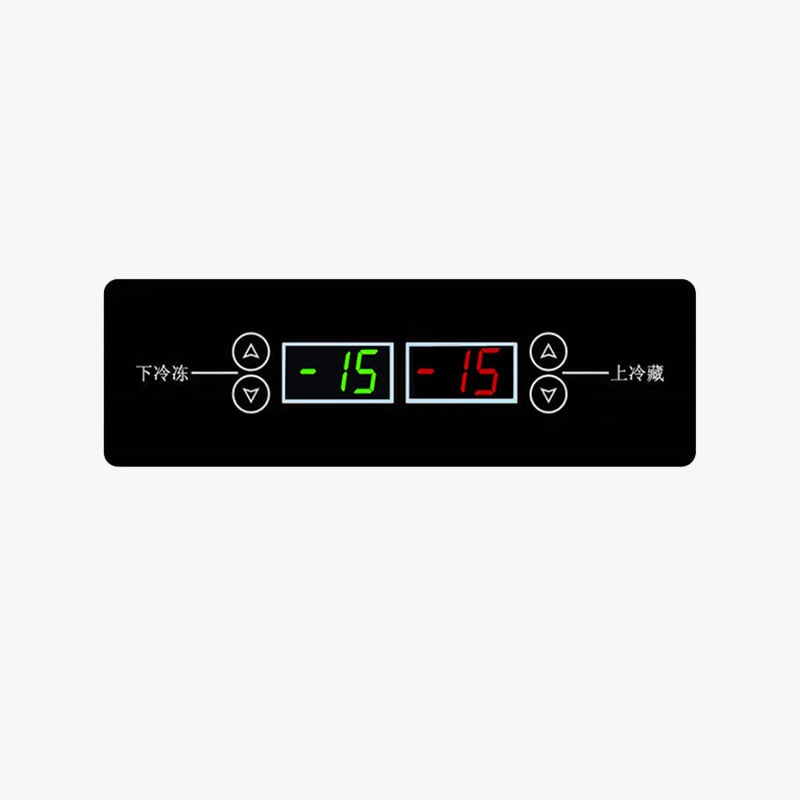
A smart iot refrigeration controller can reduce energy costs by adjusting cooling to actual operating conditions instead of relying on fixed settings alone. It combines temperature control with connected data, giving facility teams a clearer view of how equipment runs and where avoidable energy use may occur. The savings come from better decisions and steadier operation, not from connectivity by itself.
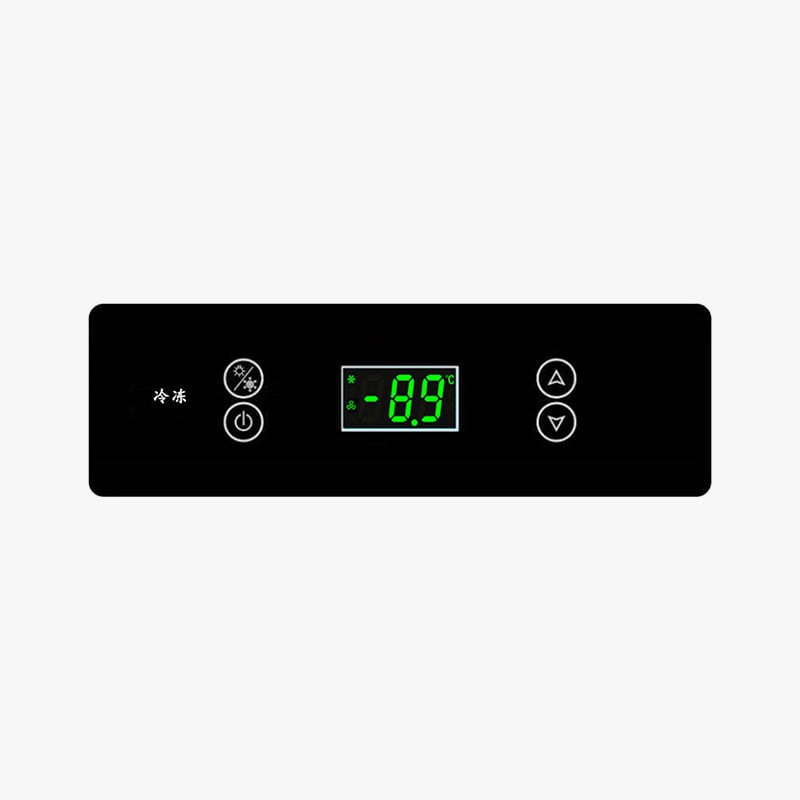
For commercial kitchens, food storage rooms, and other temperature-sensitive operations, refrigeration demand changes with door openings, product loading, ambient heat, and work schedules. A smart iot refrigeration controller can use sensor readings and operating rules to respond more appropriately. Understanding how it manages cooling, what information it provides, and how to implement it helps buyers judge whether it can support lower energy consumption at their site.
How connected control limits unnecessary cooling
Setpoints respond to real operating conditions
A conventional control setup often switches cooling around a fixed target, even when operating conditions change. A smart iot refrigeration controller can work with configurable setpoints, measured temperatures, and defined operating schedules to avoid cooling harder or longer than required. Appropriate limits remain essential: food safety rules and product specifications must guide every adjustment, rather than energy savings taking priority over safe storage.
The controller does not make refrigeration demand disappear; it helps equipment meet demand with less unnecessary runtime. When a door stays open or warm stock enters a cabinet, the temperature reading changes and cooling responds according to the configured differential and delay. A smart iot refrigeration controller can also help teams recognize recurring patterns, such as frequent warm-air infiltration during busy receiving periods.
Compressor cycling and defrost need coordination
Compressors use substantial power, so avoiding excessive starts and prolonged operation can matter to an energy plan. A smart iot refrigeration controller coordinates switching according to temperature thresholds and protection delays, where supported by the system design. Correct parameters help prevent short cycling while maintaining the temperature band required for the stored product. Settings should be reviewed against equipment instructions and actual load conditions.
Defrost is another important operating event. Too-frequent or poorly timed defrost can add heat that the system must later remove, while inadequate defrost can allow ice buildup to reduce heat transfer. A smart iot refrigeration controller may allow scheduled or condition-based defrost functions, depending on its capabilities and connected sensors. Reviewing defrost duration, frequency, and recovery behavior can reveal opportunities for careful adjustment.
How monitoring turns data into energy action
Temperature and runtime trends expose waste
A connected controller can make operating information easier to review than isolated local readings. A smart iot refrigeration controller may report temperatures, alarms, and equipment states to a monitoring interface, subject to the installed model and network configuration. Trend data helps staff distinguish a temporary disturbance from repeated behavior, making investigation more focused and reducing reliance on guesswork during energy reviews.
For example, repeated temperature recovery after deliveries may indicate that receiving practices, door discipline, or loading procedures need attention. Long compressor runs during mild conditions could point to dirty coils, poor seals, blocked airflow, or an incorrectly configured setpoint. A smart iot refrigeration controller cannot identify every root cause automatically, but its records can help maintenance teams connect energy symptoms with inspection findings.
Alerts support faster, targeted intervention
An alarm for an abnormal temperature, sensor fault, or prolonged operating condition can shorten the time between a problem beginning and someone investigating it. A smart iot refrigeration controller gives teams a way to receive or review alerts remotely when the system supports those functions. Faster response may limit extended operation under faulty conditions, although alert thresholds must be practical to avoid noise and alarm fatigue.
Remote visibility is particularly useful when equipment is spread across rooms or sites, or when staff are not beside the cabinet throughout the day. A smart iot refrigeration controller can help a facilities lead compare operating patterns and prioritize a site visit based on evidence. Access controls, dependable network coverage, and clear responsibility for responding to alarms are necessary parts of that workflow.
How to implement control for durable savings
Configure around products and equipment
Start by documenting required storage temperatures, normal product loads, ambient conditions, and the refrigeration system’s operating limits. A smart iot refrigeration controller should be configured to meet those requirements before energy optimization begins. Confirm sensor placement and calibration, then verify that the displayed temperature represents the product environment closely enough for operational decisions. The controller’s features and compatible inputs should be checked against the equipment.
Next, establish a baseline using utility data, runtime records where available, and observations of temperature stability. Change one setting at a time, then compare comparable operating periods rather than drawing conclusions from a single day. A smart iot refrigeration controller is most useful when measured outcomes are considered alongside workload and ambient changes, so teams can separate genuine improvement from ordinary variation.
Maintain performance and verify results
Control settings cannot compensate for every mechanical problem. Clean condenser surfaces, intact door gaskets, unobstructed airflow, and well-maintained fans all affect the energy needed to hold temperature. A smart iot refrigeration controller can make unusual patterns more visible, but inspection and repair remain necessary. Assign responsibility for reviewing alarms and trends, and document changes so future staff understand why settings were selected.
Evaluate results over a period that reflects operating cycles, seasonal conditions, and production schedules. Track energy use alongside product temperature compliance, alarm frequency, and maintenance events. A smart iot refrigeration controller should support a balanced operating objective: reduce avoidable consumption while preserving safe temperatures and dependable equipment performance. If monitoring reveals unstable temperatures or rising runtime, investigate the cause before making further adjustments.
For teams assessing controller hardware and configuration, a smart iot refrigeration controller can be considered as part of a broader control plan. Review its functions, input requirements, installation conditions, and compatibility with the refrigeration application. The technology is only one element: suitable commissioning, clear operating procedures, and regular review determine whether connected control contributes to lower energy costs over time.
FAQ
Can a smart iot refrigeration controller reduce energy use without changing storage temperatures?
Often, the aim is to avoid waste while maintaining the required temperature range, not to raise safe storage limits. A smart iot refrigeration controller can support better scheduling, cycling, and fault response, but settings must follow product requirements and applicable procedures. Verify temperatures after adjustments and restore prior settings if compliance or stability is affected.
What information should teams review after installation?
Review temperature trends, compressor runtime where available, alarm history, defrost behavior, and energy consumption against a meaningful baseline. A smart iot refrigeration controller provides useful context when records are consistent and operating conditions are noted. Check recurring deviations and investigate mechanical causes instead of treating every increase in runtime as a configuration issue.
Does connectivity alone guarantee lower refrigeration costs?
No. Connectivity makes information and alerts more accessible, but it does not ensure correct sensor placement, suitable settings, efficient equipment, or timely maintenance. A smart iot refrigeration controller contributes when staff act on reliable data and verify results. Network security, alarm ownership, and a clear maintenance process also matter for sustained operational value.