
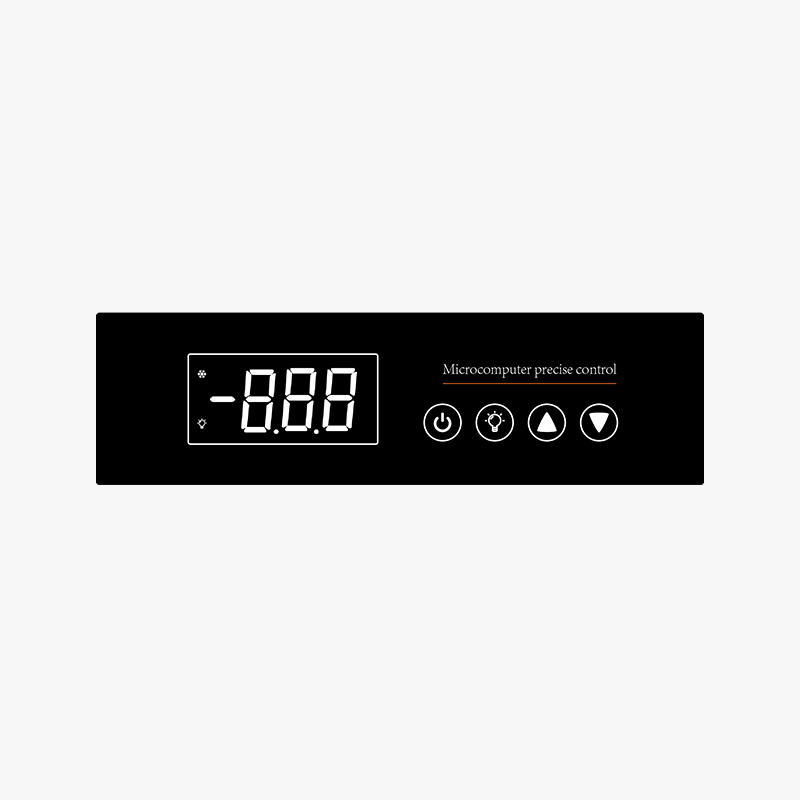
Choosing the best smart iot refrigeration controller for cold chain logistics means looking beyond a temperature display. The controller must help teams maintain defined conditions, identify deviations promptly, and respond consistently across storage and transport. A smart iot refrigeration controller is most useful when its monitoring and control functions match the operating process, equipment, and accountability requirements.
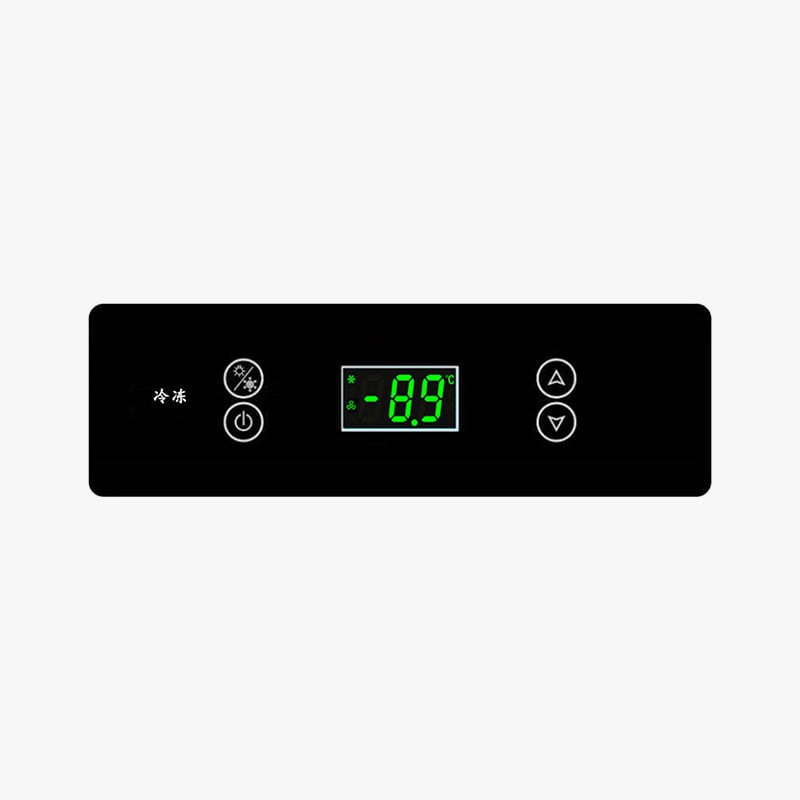
There is no single controller that is automatically best for every cold chain. The right choice depends on what is being stored, where temperature data must be available, and how staff handle exceptions. A smart iot refrigeration controller should fit those needs while making routine operation clear to technicians and logistics teams.
Match control capability to the cold chain
Define the temperature task first
Start by documenting the required operating range for each product and process. A smart iot refrigeration controller must support the relevant refrigeration or freezing application, with settings that authorized staff can configure and verify. The smart iot refrigeration controller should also suit the equipment it controls, because a controller intended for a workbench may not address every warehouse or vehicle requirement.
Separate normal regulation from compliance monitoring. A smart iot refrigeration controller can manage a setpoint, but teams may also need records showing whether conditions stayed within their approved limits. Clarify whether readings are needed at the unit, in a central system, or at both points. This distinction helps prevent selecting a smart iot refrigeration controller based on a feature label rather than a real operating requirement.
Account for each link in the route
Cold chain logistics may involve a cold room, staging area, loading period, and vehicle transfer. A smart iot refrigeration controller selected for one fixed cabinet may not provide visibility across all these handoffs. Map where temperatures are measured, who reviews them, and what action follows an out-of-range reading. A smart iot refrigeration controller should support the specific control point without creating gaps in responsibility.
Consider how door openings, loading activity, defrost cycles, and ambient conditions affect the equipment. A smart iot refrigeration controller needs settings suited to the refrigeration system and the way staff use it. The smart iot refrigeration controller is not a substitute for sound loading practices or equipment maintenance, but appropriate control can make operating conditions easier to manage and investigate.
Evaluate monitoring and response features
Make data useful to operators
Remote visibility has value when it gives the responsible person timely, understandable information. Ask how a smart iot refrigeration controller shares readings, which users can access them, and whether the information is available during the hours that matter. A smart iot refrigeration controller should present status in a way that helps staff distinguish normal operation from a condition that needs attention.
Review the communication method and its practical limits before deployment. Network coverage, site access, and integration with existing monitoring processes all influence usefulness. A smart iot refrigeration controller can only provide connected visibility when its communication path is configured and maintained. Confirm what happens if that path is unavailable, and establish a local checking procedure rather than assuming connectivity is uninterrupted.
Plan alarms and corrective action
An alarm is effective only when it leads to a defined response. With a smart iot refrigeration controller, determine which conditions trigger alerts, who receives them, and how an event is acknowledged or escalated. The smart iot refrigeration controller should support a clear workflow that avoids missed notifications and unnecessary alarm fatigue, while leaving staff able to verify the actual equipment condition.
Set thresholds and delays with qualified refrigeration personnel, using product requirements and equipment guidance. A smart iot refrigeration controller configured too tightly may create repeated alerts during routine operation; one configured too loosely may delay attention. Record the approved settings and review them after process changes. This makes the smart iot refrigeration controller part of a managed procedure rather than an isolated device.
Choose for installation and ongoing operation
Check equipment fit and commissioning needs
Before purchase, confirm the controller's electrical and sensor requirements against the refrigeration unit and installation environment. A smart iot refrigeration controller must be compatible with the intended application, and installation should follow applicable electrical and safety practices. Verify operating range, sensor placement, control outputs, and enclosure needs with the technical documentation for the specific model.
Commissioning should include testing readings, control response, and alarm routing under expected conditions. The smart iot refrigeration controller should be checked against a suitable reference where procedures require it. Document the initial settings, sensor location, and responsible contacts. A smart iot refrigeration controller is easier to support later when commissioning information is clear and accessible to maintenance and quality teams.
Consider support over the equipment life
Cold chain operations need repeatable procedures as shifts and staff change. Select a smart iot refrigeration controller that operators can learn without ambiguity, and provide guidance for setpoint changes, alarm acknowledgment, and escalation. The smart iot refrigeration controller should fit existing recordkeeping and maintenance routines, including who checks sensors and how faults are reported.
Finally, compare the complete operating requirements rather than choosing on connectivity alone. Consider local control, visibility, alarm handling, installation effort, and the records your process requires. A smart iot refrigeration controller is a sound fit when these capabilities address documented needs and can be maintained over time. Reassess the choice when routes, products, equipment, or monitoring responsibilities change.
FAQ
What makes a smart iot refrigeration controller suitable for cold chain logistics?
Suitability depends on the required temperature range, controlled equipment, monitoring coverage, and response process. A smart iot refrigeration controller should match the operating point and give staff usable information. Confirm how the smart iot refrigeration controller handles alarms and connectivity, and verify that its specifications align with the actual installation rather than relying on a general product description.
Can one controller cover storage and transport?
Not necessarily. Storage units and transport equipment can have different control, power, access, and communication needs. A smart iot refrigeration controller may suit a fixed refrigeration application without covering every vehicle or handoff. Map each monitoring point first, then decide whether one solution or several compatible processes are required. Validate the smart iot refrigeration controller against each intended environment.
What should teams verify before installation?
Check electrical compatibility, sensor requirements, control outputs, placement, environmental conditions, and configuration options. Confirm who will receive alarms and how readings are reviewed. A smart iot refrigeration controller also needs a commissioning and maintenance plan, including documented settings and escalation steps. These checks help ensure the smart iot refrigeration controller supports the cold chain process in practice.