
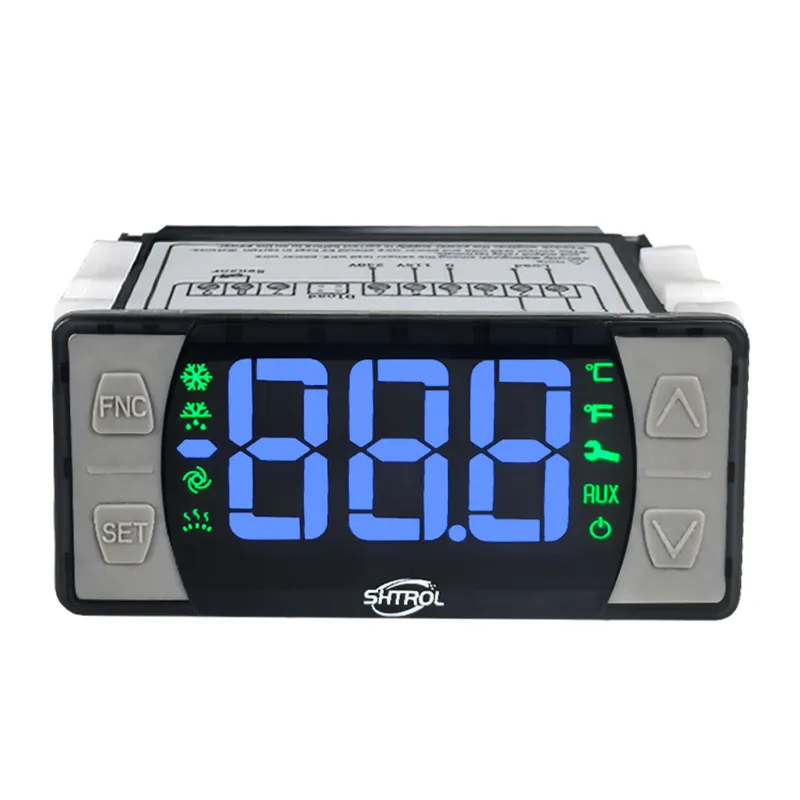
When a refrigeration or process-control unit starts failing, choosing between a dixell controller replacement and a refurbished controller is a decision about risk, not just purchase price. The right option depends on fault certainty, equipment compatibility, downtime tolerance, and how much useful life remains in the surrounding system.
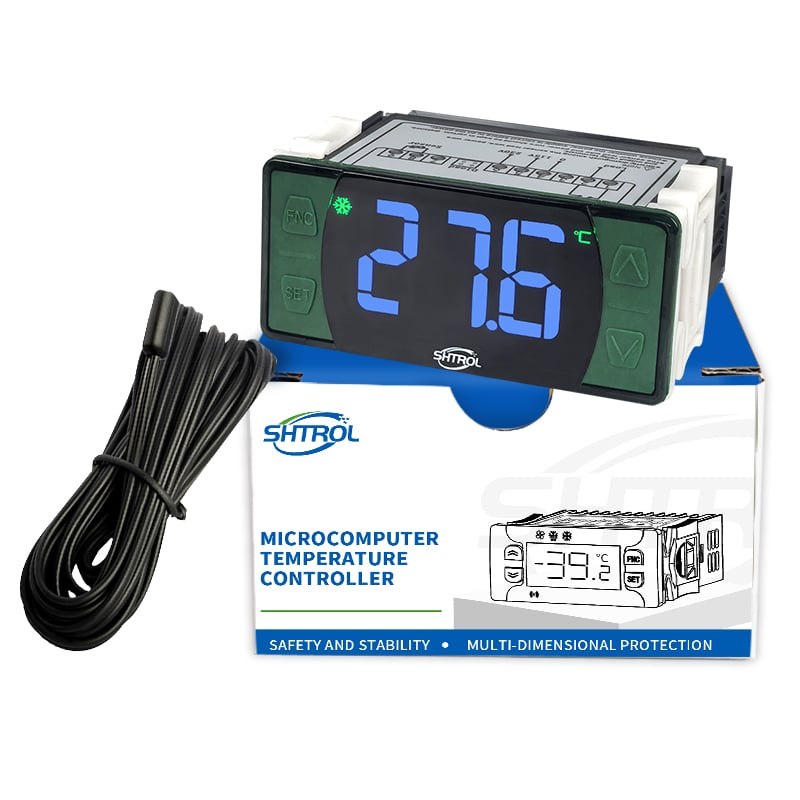
A refurbished unit can restore operation when the controller is repairable and its history is known. A dixell controller replacement is generally the clearer path when failures recur, parts are unavailable, or dependable support matters. This comparison explains the trade-offs and the checks to make before committing.
How the Two Options Differ in Practice
What refurbishment can and cannot address
Refurbishment usually involves inspecting a used controller, correcting identified faults, and testing its operation. It may suit a site that needs to retain an existing configuration. Yet a refurbished unit may still contain aged components, so a dixell controller replacement can offer a more straightforward reset when the original is unreliable.
Ask what work the refurbishment includes, which functions were tested, and whether the repaired unit has a clear return policy. A low initial price does not establish remaining service life. Compare that evidence with a dixell controller replacement, including its specifications, installation needs, and the documentation supplied for setup.
Refurbished stock can be useful where the controller is obsolete and an exact match is needed to restore a validated installation. However, a dixell controller replacement may be preferable if it can meet the application requirements without forcing the site to rely on an unknown repair history or inconsistent availability.
What replacement changes at the equipment level
A new controller does not automatically mean a simple swap. Before selecting a dixell controller replacement, verify sensor type, input and output requirements, supply voltage, mounting dimensions, and control logic. Confirm that the existing wiring and connected equipment suit the selected model rather than assuming similar appearance means compatibility.
A replacement may require parameter entry, alarm configuration, and checks of compressor or defrost behavior. Plan this work before removing the old unit. A dixell controller replacement is most effective when the technician has recorded existing settings and can compare the new controller's functions with the actual operating sequence.
If a suitable model is available, dixell controller replacement can be assessed against the equipment's electrical and control requirements. Treat the product information as a starting point, then confirm terminals, sensors, and application fit with the system documentation before installation.
Decision Factors for Cost, Risk, and Downtime
Compare total cost rather than purchase price
The refurbished option may have a lower upfront cost, but the full decision includes diagnosis, shipping, installation labor, recommissioning, and the possibility of another service visit. A dixell controller replacement should be assessed on the same basis, including any adapter, wiring changes, or configuration work the installation will require.
Consider the cost of a repeat fault as well as the controller invoice. If temperature control is critical to product quality or process continuity, uncertain remaining life can outweigh a lower purchase price. In that setting, a dixell controller replacement with verified suitability may reduce uncertainty, though it cannot eliminate installation or system risks.
For less critical equipment with a clear, isolated controller fault, refurbishment may be a reasonable short-term choice. Record the repair scope and monitor operation after restart. A dixell controller replacement becomes more compelling when diagnostic results are inconclusive, failures are repeated, or the cost of unplanned downtime is significant.
Match the choice to operational risk
Downtime planning matters because neither option is useful if it cannot be installed and tested within the maintenance window. Check availability, lead time, technician access, and whether a temporary control method is safe. A dixell controller replacement should be selected with a realistic commissioning plan, not just a target delivery date.
For a critical cold room, production line, or monitored cabinet, define acceptable temperature limits and escalation steps before work starts. A dixell controller replacement may be the more predictable decision when a failed controller threatens product or process continuity, provided the replacement is compatible and commissioning can be completed correctly.
In a noncritical application with backup capacity, a tested refurbished unit may offer enough short-term value while a longer-term upgrade is planned. Still, set a review point rather than letting a temporary repair become permanent by default. A dixell controller replacement can then be budgeted against observed performance and the site's maintenance priorities.
Make the Choice with a Verification Plan
Confirm the fault and model fit
First establish that the controller is actually causing the fault. Check sensor readings, wiring, supply voltage, loads, and alarms, because an external problem can make a sound controller appear defective. Before authorizing a dixell controller replacement, document the fault symptoms and rule out issues that would remain after the swap.
Record the existing model and parameter settings, then compare its function with the proposed option. A dixell controller replacement should match the application's control sequence, not merely its panel dimensions. Confirm sensor compatibility, relay capacity, defrost requirements, and alarm behavior with qualified technical support when specifications are unclear.
If refurbishment remains under consideration, ask for the exact tests performed and the condition of components that were not replaced. This makes the choice evidence-based rather than price-led. Compare those details with the documentation and terms available for a dixell controller replacement before approving work.
Plan installation, commissioning, and follow-up
Before installation, arrange a safe shutdown, label conductors, and preserve parameter records. After fitting a dixell controller replacement, verify sensor readings, outputs, alarms, and the full operating cycle. Confirm that the controlled equipment responds as expected instead of treating a powered display as proof of successful commissioning.
Keep a record of the final settings, test results, installation date, and any deviations from the previous configuration. Whether the site chooses refurbishment or a dixell controller replacement, these records help future technicians distinguish a controller fault from a sensor, wiring, or load problem.
A practical decision is therefore conditional: refurbish when the fault is defined, repair quality is documented, and short-term continuity is acceptable. Choose a dixell controller replacement when compatibility is confirmed and reliability, support, or recurring faults justify a new unit. In both cases, disciplined commissioning is part of the solution.
FAQ
Is a refurbished controller always less reliable?
No. Reliability depends on the original condition, repair scope, testing, and operating environment. Ask for evidence of refurbishment and consider a dixell controller replacement if the unit has repeated faults or its history cannot be verified.
What should I check before choosing a replacement?
Confirm voltage, sensors, outputs, mounting, control sequence, and parameter needs against the equipment documentation. A dixell controller replacement should fit the application electrically and functionally, with commissioning planned by a qualified technician.
When is refurbishment a sensible choice?
It can make sense for a defined fault, a documented repair, and equipment where short-term continuity is acceptable. If downtime risk or repeat service costs are high, compare refurbishment with a dixell controller replacement on total cost and operational risk.