
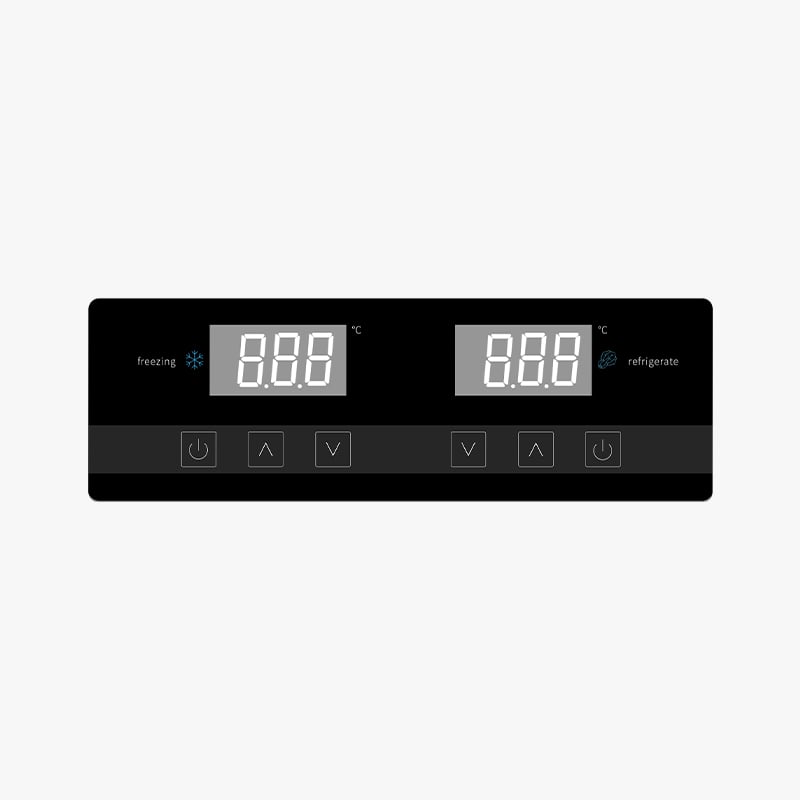
Choosing between a smart iot refrigeration controller and a traditional controller is a decision about visibility as much as temperature regulation. Both can manage refrigeration cycles, but a smart iot refrigeration controller can also connect operating data to remote monitoring and alerts. That difference matters when equipment is spread across a facility or when staff need to respond outside normal rounds.
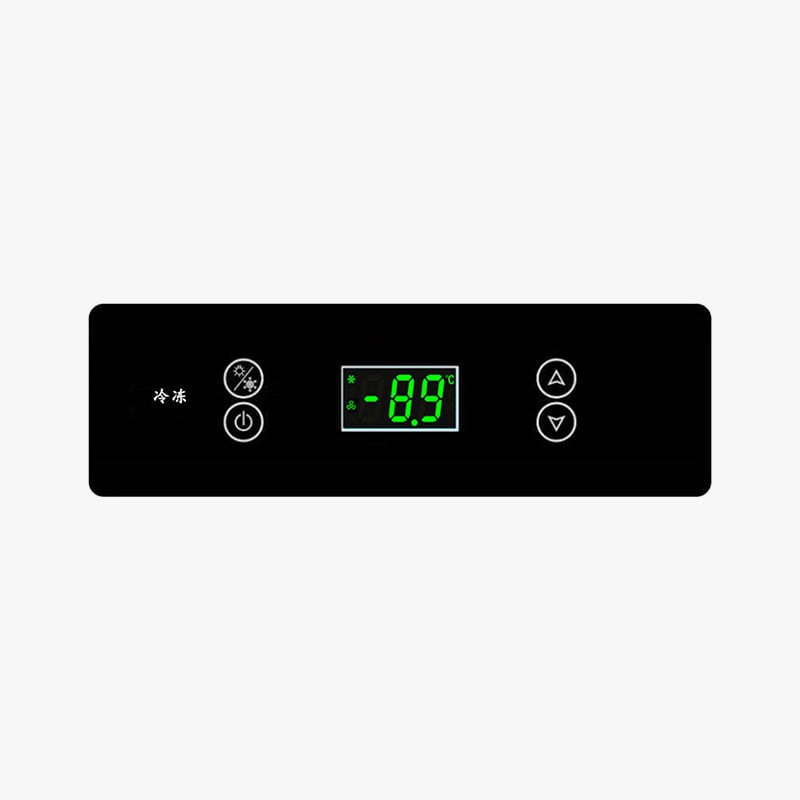
A traditional controller can remain a sensible choice when a unit is local, operating conditions are stable, and staff can check it routinely. A smart iot refrigeration controller adds connected oversight, but it is not automatically the right fit for every installation. Comparing how each handles daily control, fault response, and operating information helps buyers match the control approach to real facility needs.
How the control approaches differ in daily operation
Local temperature regulation remains the foundation
At the core, both systems use temperature inputs and control logic to manage refrigeration equipment. A smart iot refrigeration controller performs that fundamental task while offering communication features alongside local control. A traditional controller generally presents readings and settings at the unit, so an operator checks the display, adjusts parameters, and observes whether the equipment responds as expected during a site visit.
The distinction is not that connected control eliminates the need for sound setup. A smart iot refrigeration controller still depends on appropriate sensor placement, suitable setpoints, and correct wiring. Traditional control has the same practical requirements. In either case, commissioning should confirm that the displayed temperature reflects the intended space and that control actions match the refrigeration system and its operating conditions.
Connectivity changes who can see operating status
A smart iot refrigeration controller can send operating information through a network to a remote interface, depending on its features and installation. That gives authorized staff another way to review status without standing beside the cabinet. A traditional controller does not typically provide that connected view, which means routine checks rely more heavily on local inspection and documented readings.
For a single unit near staffed work areas, local visibility may be enough. With multiple storage points, a smart iot refrigeration controller can make remote review more practical, provided the network remains available and users understand the interface. Buyers should verify what data is transmitted, how frequently it updates, and whether the system can retain information during a connection interruption.
Comparing monitoring, response, and operational workload
Alerts can shorten the path from issue to action
A traditional controller usually makes an abnormal condition visible when someone checks the equipment or notices a local alarm. A smart iot refrigeration controller may add remote notifications for defined events, helping staff learn about a potential issue sooner. The value depends on well-chosen alert thresholds, reliable contact details, and a clear process for deciding who investigates and what action is appropriate.
Connected alerts do not repair equipment or guarantee that every excursion will be prevented. A smart iot refrigeration controller can support response by making selected conditions more visible, but staff still need to verify the reading and assess the cause. A traditional controller can be effective where scheduled rounds provide timely checks and local alarms are noticed, acknowledged, and escalated consistently.
Records and visibility support different work routines
A smart iot refrigeration controller may make it easier to review temperature trends or event history, depending on the model and software arrangement. Those records can help maintenance teams recognize recurring patterns and provide useful context during an investigation. With traditional control, staff may need to log readings manually, which can suit established procedures but requires consistent human follow-through.
The best comparison considers the full workflow rather than a feature label. A smart iot refrigeration controller is more useful when remote access, shared status, or historical review solves a real operational problem. If staff already collect dependable records and equipment is readily accessible, a traditional controller may keep the process simpler. In both cases, define who reviews information and how findings are documented.
Selecting a controller for the facility and its constraints
Match connected functions to site requirements
Before selecting a smart iot refrigeration controller, map the equipment locations, users, network coverage, and response expectations. Consider whether staff need remote visibility during off-hours, whether several units require coordinated review, and whether the organization has procedures for acting on alerts. A traditional controller may be sufficient where the unit is close by, checks are frequent, and remote reporting adds little practical value.
Also examine integration and installation details instead of assuming every connected feature will work out of the box. A smart iot refrigeration controller may require compatible communications, configuration, user access, or a dependable network connection. Confirm the available inputs and outputs, sensor requirements, alarm behavior, and mounting constraints against the refrigeration equipment. These checks help prevent a feature-rich choice from becoming a poor fit.
Account for training, maintenance, and fallback operation
A smart iot refrigeration controller introduces a digital workflow that staff should be trained to use. They need to know how to interpret alerts, verify local readings, manage access, and report suspected sensor or connection problems. Traditional controls may be more familiar to teams accustomed to local adjustment, although staff still require clear instructions for settings, alarms, and escalation.
Ask how the system behaves if connectivity is unavailable and whether local refrigeration control continues independently. A smart iot refrigeration controller should be evaluated for its local operating behavior, not just its remote dashboard. Maintenance planning should also include sensor checks, configuration review, and communication troubleshooting where relevant. The final choice should support safe, repeatable operation under both normal and interrupted conditions.
FAQ
Does a smart iot refrigeration controller replace local checks?
No. A smart iot refrigeration controller can provide remote information or alerts, but staff should retain suitable inspection and verification procedures. Confirm important readings at the equipment when needed, investigate alarms, and follow site rules for temperature records. Connectivity is an added monitoring path, not a substitute for accountable operation or equipment maintenance.
Is a traditional controller suitable for commercial refrigeration?
It can be, particularly when equipment is accessible and routine checks are dependable. A smart iot refrigeration controller may be more useful when remote oversight or shared status addresses a specific need, but added connectivity is not essential for every site. Compare monitoring expectations, staffing, network conditions, and the consequences of delayed awareness before deciding.
What should buyers verify before choosing a smart iot refrigeration controller?
Confirm sensor compatibility, control requirements, alarm options, communications, installation constraints, and local operation during network loss. A smart iot refrigeration controller should also fit the team’s ability to manage users, respond to notifications, and maintain records. Ask which functions are included and which depend on external services, then compare those details with the facility’s actual operating procedure.