
Temperature control systems have evolved significantly over the past few decades, with homeowners and businesses facing an important decision between traditional manual thermostats and modern digital alternatives. The choice between these two technologies can significantly impact energy efficiency, comfort levels, and operational costs. Understanding the fundamental differences, advantages, and limitations of each system helps property owners make informed decisions that align with their specific needs and budget constraints.
Understanding Digital Thermostat Technology
Advanced Control Mechanisms
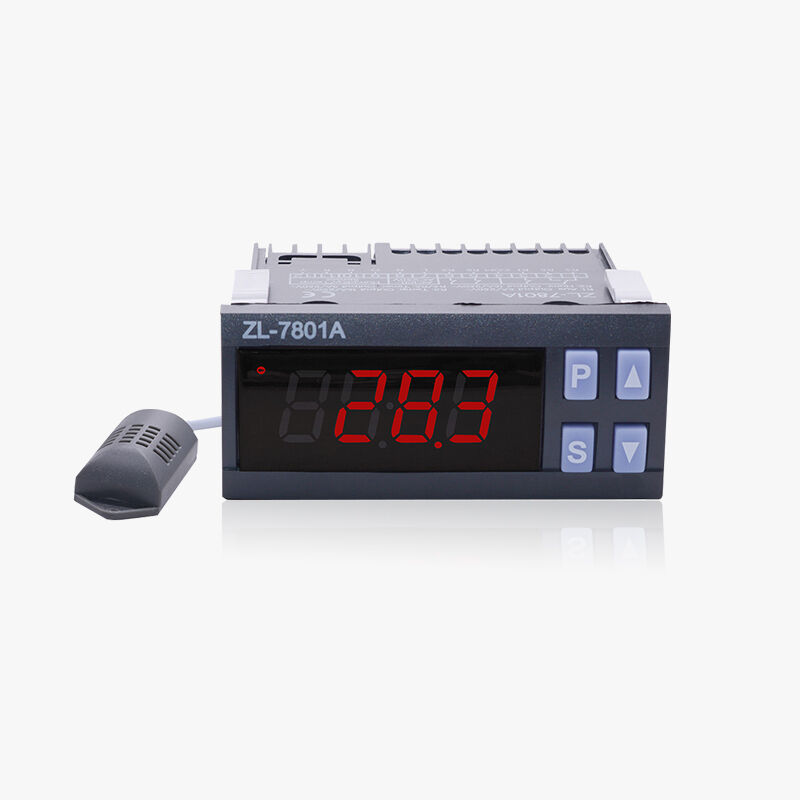
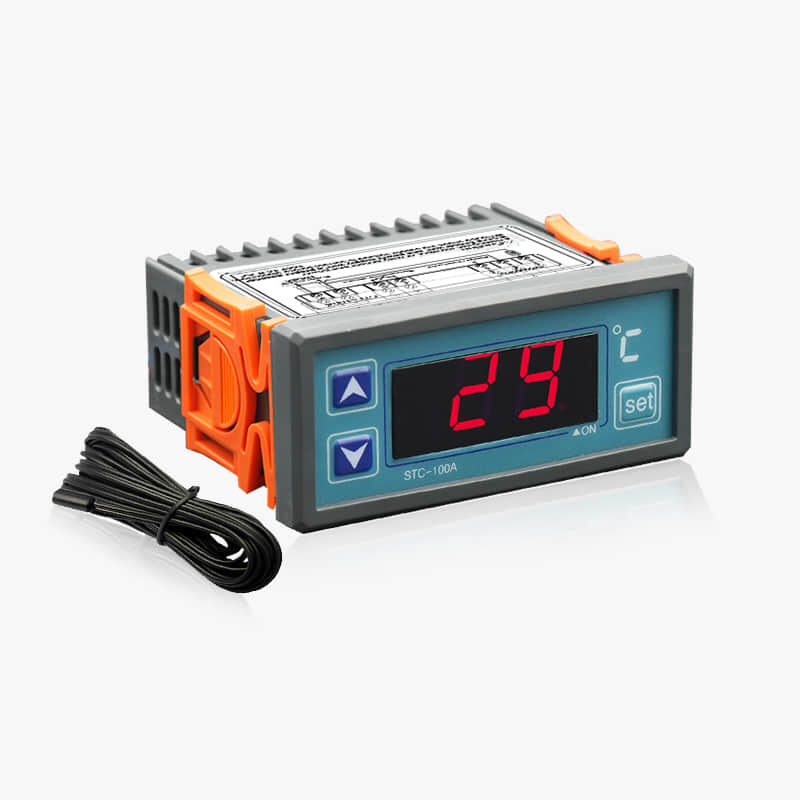
A digital thermostat represents the pinnacle of modern temperature control technology, utilizing sophisticated electronic sensors and microprocessors to maintain precise environmental conditions. These devices employ advanced algorithms to monitor temperature fluctuations with remarkable accuracy, typically within 0.1 to 0.5 degrees Fahrenheit. The electronic components within a digital thermostat continuously sample ambient temperature data, comparing readings against user-defined setpoints and making instantaneous adjustments to heating and cooling systems.
The internal architecture of a digital thermostat includes multiple temperature sensors, digital displays, and programmable memory chips that store user preferences and operational schedules. Unlike their mechanical counterparts, these systems can process complex programming instructions, enabling features like multi-stage heating and cooling control, adaptive recovery algorithms, and energy-saving optimization routines. The precision offered by digital technology eliminates the temperature swing variations commonly associated with older mechanical systems.
Programming and Scheduling Capabilities
Modern digital thermostat units excel in their ability to accommodate complex scheduling requirements that align with contemporary lifestyle patterns. Users can establish multiple daily temperature setpoints, creating customized comfort zones that automatically adjust throughout different periods of the day. These programmable features enable significant energy savings by reducing heating and cooling demands during unoccupied periods while ensuring optimal comfort when residents or employees are present.
The scheduling flexibility of a digital thermostat extends to weekly programming options, allowing different temperature profiles for weekdays versus weekends. Some advanced models incorporate vacation modes, temporary overrides, and seasonal adjustment features that adapt to changing environmental conditions. The ability to fine-tune temperature control schedules translates directly into reduced utility costs and improved system efficiency, making digital thermostats particularly attractive for commercial applications and energy-conscious homeowners.
Manual Thermostat Fundamentals
Mechanical Operation Principles
Manual thermostats rely on time-tested mechanical components, primarily bimetallic strips or gas-filled bellows, to detect temperature changes and control heating and cooling systems. These devices operate through thermal expansion principles, where temperature variations cause physical movement in sensing elements that trigger electrical switches. The simplicity of manual thermostat design has proven reliable for decades, requiring minimal maintenance while providing basic temperature control functionality.
The mechanical nature of manual thermostats creates inherent temperature swing characteristics, typically allowing 2-4 degrees of variation around the setpoint before activating system responses. This operational pattern, while less precise than digital alternatives, provides adequate comfort control for many applications while maintaining lower initial equipment costs. The robust construction of mechanical components often results in extended service life, with many manual thermostats operating effectively for 15-20 years with minimal intervention.
Installation and Maintenance Considerations
Manual thermostat installation typically requires fewer technical considerations compared to digital systems, as these devices operate independently of external power sources and complex wiring configurations. The straightforward two-wire or three-wire connections accommodate most residential and light commercial HVAC systems without additional compatibility concerns. This simplicity extends to replacement procedures, where property owners can often perform installations without specialized technical knowledge or tools.
Maintenance requirements for manual thermostats remain minimal throughout their operational lifespan, primarily involving periodic calibration checks and contact cleaning procedures. The absence of electronic components eliminates concerns about power surges, software updates, or digital display failures that may affect more sophisticated systems. However, the mechanical wear patterns in manual thermostats can gradually reduce accuracy over time, potentially requiring recalibration or replacement after extended service periods.
Energy Efficiency Comparison
Power Consumption Analysis
Energy efficiency represents a critical factor in thermostat selection, with significant differences between digital and manual systems impacting long-term operational costs. A digital thermostat typically consumes minimal electrical power for its control functions, usually between 2-5 watts during normal operation. This consumption includes powering the display, microprocessor, and sensor components, representing a negligible portion of overall energy usage compared to the HVAC systems they control.
Manual thermostats operate without any electrical power consumption for their control functions, relying entirely on mechanical principles for temperature sensing and switching operations. While this eliminates standby power draw, the energy efficiency advantages of manual systems are often overshadowed by their less precise temperature control characteristics. The wider temperature swing tolerance of mechanical systems can result in increased runtime for heating and cooling equipment, potentially offsetting the zero-power consumption advantage.
System Optimization Benefits
The precision control offered by digital thermostat technology enables significant optimization opportunities that translate into measurable energy savings. Advanced models incorporate features like adaptive learning algorithms that analyze occupancy patterns and system performance characteristics to minimize energy consumption while maintaining comfort requirements. These intelligent systems can reduce heating and cooling costs by 10-15% compared to manual alternatives through optimized scheduling and precise temperature control.
Digital thermostat systems also provide valuable diagnostic information and performance monitoring capabilities that help identify inefficiencies in HVAC operations. Error codes, runtime statistics, and maintenance reminders enable proactive system management that prevents energy waste from malfunctioning or poorly maintained equipment. The data logging capabilities of modern digital thermostats support energy auditing efforts and utility rebate programs that further enhance their economic value proposition.
Cost Analysis and Return on Investment
Initial Investment Requirements
The upfront costs associated with digital thermostat installation typically range from $100-400 for residential applications, depending on feature complexity and brand selection. Professional installation may add $75-150 to the total investment, although many homeowners can complete basic installations independently with proper guidance. Commercial-grade digital thermostat systems command higher prices, often ranging from $300-800, but provide enhanced durability and advanced control features suitable for demanding applications.
Manual thermostat systems maintain significant cost advantages in initial purchase prices, typically ranging from $20-80 for residential units and $50-150 for commercial applications. The lower equipment costs, combined with simpler installation requirements, make manual thermostats attractive options for budget-conscious projects or temporary installations. However, the total cost of ownership analysis must consider long-term energy savings and replacement frequency when evaluating overall economic impact.
Long-term Economic Impact
The energy savings potential of digital thermostat technology often justifies the higher initial investment through reduced utility costs over the system lifespan. Studies indicate that programmable digital thermostats can reduce heating and cooling expenses by $100-200 annually in typical residential applications, enabling payback periods of 1-3 years depending on local energy rates and climate conditions. Commercial installations may realize even greater savings due to larger conditioned spaces and more complex scheduling requirements.
Digital thermostat systems also provide indirect economic benefits through improved HVAC system longevity and reduced maintenance requirements. The precise control characteristics minimize system cycling frequency and thermal stress on equipment components, potentially extending service life and reducing repair costs. Additionally, the diagnostic capabilities of digital systems enable predictive maintenance strategies that prevent costly emergency repairs and system failures.
Installation and Compatibility Requirements
Wiring and Power Considerations
Digital thermostat installation requires careful attention to power supply requirements and compatibility with existing HVAC control systems. Most modern units require a continuous 24-volt power source, typically provided by HVAC system transformers or separate power adapters for retrofit applications. The absence of a common wire in older installations may necessitate additional wiring modifications or the use of power-stealing technology that derives operating power from existing control circuits.
Compatibility verification becomes essential when retrofitting digital thermostat systems in existing installations, as older HVAC equipment may lack the necessary control interfaces or power supply capabilities. Heat pump systems, multi-stage equipment, and zone control applications require specific digital thermostat models with appropriate input and output configurations. Professional consultation during the selection process helps ensure optimal compatibility and prevents installation complications that could compromise system performance.
Smart Home Integration Options
Advanced digital thermostat models offer extensive connectivity options that enable integration with smart home automation systems and remote monitoring platforms. WiFi-enabled units provide smartphone app control, voice activation compatibility, and cloud-based data logging services that enhance user convenience and system management capabilities. These connectivity features represent significant advantages for tech-savvy users and commercial applications requiring centralized control systems.
The integration capabilities of modern digital thermostat systems extend beyond basic remote control to include energy management platforms, utility demand response programs, and building automation systems. Commercial installations particularly benefit from these advanced features, enabling facility managers to optimize energy consumption across multiple zones and time periods while maintaining occupant comfort requirements. The data analytics provided by connected digital thermostats support continuous improvement efforts and regulatory compliance reporting.
Performance and Reliability Factors
Accuracy and Precision Standards
The measurement accuracy of digital thermostat systems significantly exceeds that of manual alternatives, with typical precision specifications of ±0.5°F compared to ±2-3°F for mechanical units. This enhanced accuracy translates into improved comfort consistency and reduced energy consumption through minimized temperature overshoots and system cycling variations. The electronic sensors used in digital systems maintain calibration stability over extended periods, requiring minimal adjustment throughout their operational lifespan.
Temperature response characteristics also favor digital thermostat technology, with faster sensor response times and more sophisticated control algorithms that anticipate thermal load changes. These systems can implement proportional-integral-derivative control strategies that optimize system performance while minimizing temperature fluctuations. The precision offered by digital control enables tight tolerance applications such as server rooms, laboratories, and manufacturing facilities where environmental stability is critical.
Durability and Service Life Expectations
Digital thermostat reliability has improved significantly with advances in electronic component technology and manufacturing quality control processes. Modern units typically provide 10-15 years of reliable service in residential applications, with commercial-grade models designed for extended service life under demanding conditions. The solid-state construction of digital systems eliminates mechanical wear patterns while providing consistent performance characteristics throughout their operational lifespan.
Manual thermostat systems continue to demonstrate excellent longevity, with many units providing 15-25 years of reliable service when properly maintained and calibrated. The mechanical simplicity of these systems contributes to their durability, as fewer components means fewer potential failure points. However, gradual calibration drift and contact wear may require periodic adjustment or replacement to maintain acceptable accuracy levels, particularly in demanding commercial applications.
FAQ
What are the main advantages of choosing a digital thermostat over a manual one
Digital thermostat systems offer several key advantages including precise temperature control within 0.5°F, programmable scheduling capabilities, energy-saving features that can reduce utility costs by 10-15%, and smart home integration options. They provide better comfort consistency, diagnostic capabilities for HVAC maintenance, and advanced features like adaptive learning algorithms that optimize energy consumption based on occupancy patterns and system performance characteristics.
How much can I expect to save on energy costs with a digital thermostat
Energy savings from digital thermostat installation typically range from $100-200 annually for residential applications, with potential savings of 10-15% on heating and cooling costs compared to manual systems. The actual savings depend on factors including local energy rates, climate conditions, home insulation quality, and usage patterns. Commercial installations often realize greater savings due to larger conditioned spaces and more complex scheduling opportunities that digital systems can optimize.
Are digital thermostats difficult to install and maintain
Most digital thermostat installations can be completed by homeowners with basic electrical knowledge, though professional installation is recommended for complex systems or when additional wiring modifications are required. Modern digital thermostats are designed for reliability with minimal maintenance needs, typically requiring only periodic battery replacement and occasional recalibration. The electronic components are generally more stable than mechanical systems, providing consistent performance without the calibration drift common in manual thermostats.
When might a manual thermostat be the better choice
Manual thermostats remain suitable for applications where simplicity, low initial cost, and independence from electrical power are prioritized over advanced features. They work well in rental properties, vacation homes, or situations where occupancy patterns are irregular and programming benefits would be minimal. Manual systems also excel in environments where electromagnetic interference or power quality issues might affect digital electronics, and where the robust mechanical construction provides advantages over sensitive electronic components.