
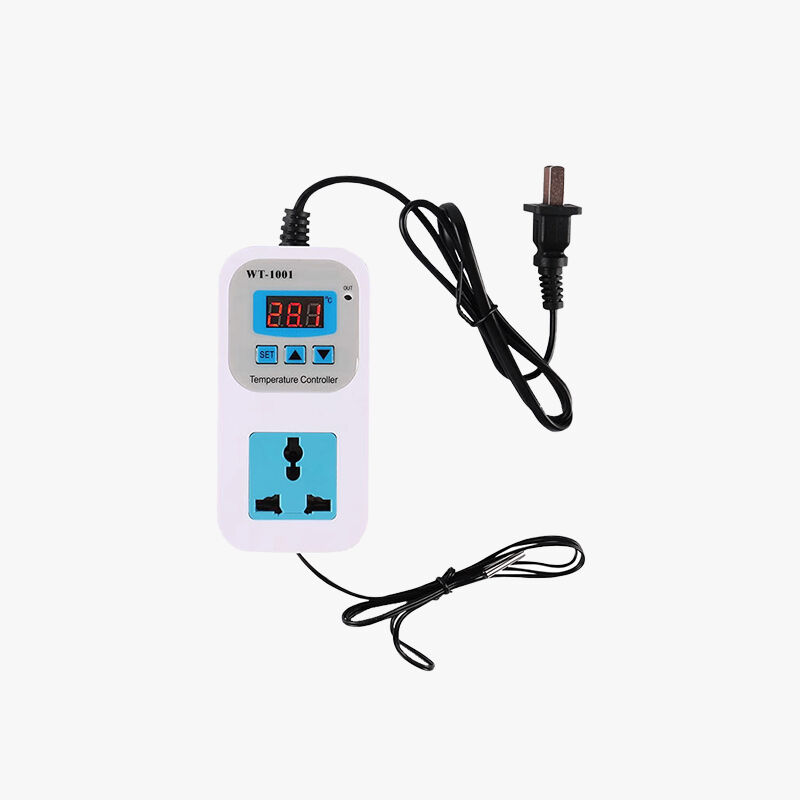
Nowoczesna kontrola temperatury znacznie się rozwinęła dzięki wprowadzeniu zaawansowanej technologii cyfrowych termostatów. Te wyrafinowane urządzenia przekształciły sposób, w jaki budynki mieszkalne i komercyjne zarządzają swoimi systemami ogrzewania i chłodzenia, oferując precyzyjną kontrolę, efektywność energetyczną oraz zwiększyły wygodę użytkowania. Cyfrowy termostat zapewnia dokładne pomiary temperatury, programowalne harmonogramy działania oraz funkcje inteligentne, których tradycyjne termostaty mechaniczne po prostu nie są w stanie zapewnić. Zrozumienie najnowszych innowacji w dziedzinie technologii cyfrowych termostatów jest kluczowe przy podejmowaniu świadomych decyzji dotyczących systemów kontroli klimatu w 2026 roku.
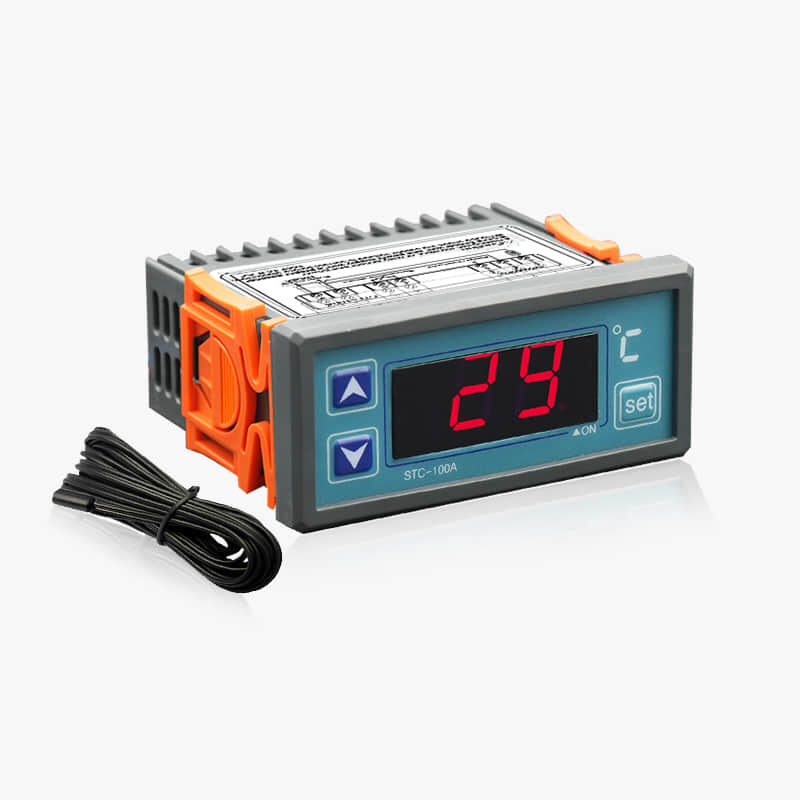
Rynek cyfrowych termostatów znacznie się rozszerzył, a producenci wprowadzają nowoczesne funkcje dostosowane do różnorodnych zastosowań. Od mieszkań jednorodzinnych po obiekty przemysłowe – urządzenia te zapewniają nieosiągalną dokładność w regulacji temperatury. Przejście od analogowych do cyfrowych systemów sterowania przyniosło znaczące poprawy dokładności, zwykle utrzymując wahania temperatury na poziomie jednego stopnia Fahrenheita. Taki poziom precyzji przekłada się na istotne oszczędności energii oraz zwiększy komfort użytkowników budynków.
Zaawansowane funkcje nowoczesnej technologii cyfrowych termostatów
Możliwości precyzyjnej kontroli temperatury
Współczesne cyfrowe modele termostatów są wyposażone w zaawansowane czujniki i mikroprocesory, zapewniające wyjątkową dokładność regulacji temperatury. Urządzenia te wykorzystują zaawansowane algorytmy do przewidywania zmian temperatury oraz odpowiedniego dostosowywania systemów grzewczych lub chłodniczych. Precyzja oferowana przez nowoczesne cyfrowe jednostki termostatów zapewnia optymalny komfort przy jednoczesnym minimalizowaniu zużycia energii. Wiele modeli posiada technologię podwójnych czujników, która monitoruje zarówno temperaturę powietrza, jak i poziom wilgotności, zapewniając kompleksowe rozwiązania do kontroli klimatu.
Dziś dokładność kalibracji cyfrowych systemów termostatów osiągnęła nowe poziomy, przy czym wiele urządzeń oferuje kontrolę temperatury z dokładnością do 0,5 stopnia Fahrenheita. Ta zwiększona precyzja jest szczególnie ważna w zastosowaniach wymagających ścisłego utrzymywania temperatury, takich jak obiekty medyczne, laboratoria czy specjalistyczne środowiska magazynowe. Poprawiona dokładność przyczynia się również do wydłużenia żywotności sprzętu, zapobiegając nadmiernym wahaniom temperatury, które mogą obciążać systemy wentylacji, ogrzewania i klimatyzacji.
Inteligentna łączność i dostęp zdalny
Cyfrowe modele termostatów z obsługą WiFi zrewolucjonizowały zdalne zarządzanie temperaturą, umożliwiając użytkownikom monitorowanie i dostosowywanie ustawień z dowolnego miejsca za pomocą aplikacji na smartfony. Te połączone urządzenia zapewniają powiadomienia w czasie rzeczywistym dotyczące wydajności systemu, potrzeb konserwacji oraz wzorców zużycia energii. Integracja technologii inteligentnych w cyfrowych systemach termostatów umożliwia bezproblemową automatyzację oraz funkcje inteligentnego uczenia się, które dopasowują się do preferencji użytkownika wraz z upływem czasu.
Chmurowa łączność w zaawansowanych jednostkach cyfrowych termostatów ułatwia integrację z szerszymi systemami automatyzacji budynków oraz ekosystemami inteligentnych domów. Ta łączność umożliwia koordynację z innymi urządzeniami inteligentnymi, tworząc kompleksowe rozwiązania do zarządzania energią. Użytkownicy mogą otrzymywać szczegółową analizę swoich wzorców ogrzewania i chłodzenia, co pomaga zidentyfikować możliwości dalszej optymalizacji zużycia energii oraz obniżenia kosztów.
Korzyści z oszczędności energii i kosztów
Zalety programowalnego planowania
Jedną z najważniejszych zalet cyfrowego termostatu jest możliwość programowania harmonogramu, która pozwala użytkownikom tworzyć spersonalizowane profile temperatury dla różnych por czasu dnia oraz dni tygodnia. Funkcje planowania mogą zmniejszyć zużycie energii nawet o 25% w porównaniu do ręcznych regulacji temperatury. Możliwość automatycznego obniżania temperatury w okresach nieobecności lub w godzinach nocnych przekłada się na znaczne oszczędności w rachunkach za media na przestrzeni czasu.
Zaawansowane modele cyfrowych termostatów oferują wiele stref programowania, umożliwiając różne ustawienia temperatury w różnych obszarach budynku. Takie strefowe podejście do regulacji klimatu maksymalizuje efektywność, ogrzewając lub chłodząc wyłącznie zajmowane pomieszczenia. Zaawansowane opcje programowania dostępne w nowoczesnych systemach cyfrowych termostatów pozwalają na realizację złożonych harmonogramów i dostosowanie się do zmian sezonowych, zapewniając optymalny komfort i efektywność przez cały rok.
Tryby urlopowe oraz funkcje tymczasowego nadpisania zapewniają dodatkową elastyczność w działaniu cyfrowych termostatów. Dzięki tym funkcjom użytkownicy mogą utrzymywać minimalne zużycie energii podczas dłuższych nieobecności, jednocześnie zapewniając szybkie przywrócenie komfortowych warunków po powrocie. Inteligentne możliwości planowania w wysokiej klasy systemie cyfrowego termostatu opłacają się samodzielnie dzięki obniżonym kosztom energii już w pierwszym roku eksploatacji.
Adaptacyjne uczenie się i optymalizacja
Nowoczesna technologia cyfrowych termostatów wykorzystuje algorytmy uczenia maszynowego, które analizują wzorce użytkowania i automatycznie optymalizują harmonogramy temperatur w celu osiągnięcia maksymalnej wydajności. Te samouczące się systemy obserwują wzorce obecności, warunki pogodowe oraz preferencje użytkownika, tworząc coraz bardziej dopracowane strategie sterowania. Adaptacyjne możliwości inteligentnego cyfrowego termostatu eliminują konieczność ciągłych ręcznych korekt, zapewniając przy tym optymalny komfort.
Algorytmy predykcyjne w zaawansowanych systemach cyfrowych termostatów mogą przewidywać potrzeby grzewcze i chłodnicze na podstawie prognoz pogody oraz danych historycznych. Takie proaktywne podejście do zarządzania temperaturą zapewnia komfortowe warunki, jednocześnie minimalizując marnowanie energii. Ciągła optymalizacja wykonywana przez inteligentne jednostki cyfrowych termostatów prowadzi z czasem do coraz lepszej wydajności i niższych kosztów eksploatacji.
Rozważania dotyczące instalacji i zgodności
Wymagania dotyczące kompatybilności systemu
Przed wybraniem cyfrowego termostatu konieczne jest sprawdzenie jego zgodności z istniejącym wyposażeniem HVAC oraz konfiguracją okablowania. Większość nowoczesnych modeli cyfrowych termostatów obsługuje standardowe systemy 24-woltowe, jednak konkretne wymagania różnią się w zależności od rodzaju zainstalowanego sprzętu grzewczego i chłodniczego. Pompy ciepła, systemy wielostopniowe oraz strefowe konfiguracje HVAC mogą wymagać specjalizowanych modeli cyfrowych termostatów z odpowiednimi możliwościami sterowania.
Wymaganie dotyczące przewodu C (przewodu wspólnego) dla wielu modeli cyfrowych termostatów wymaga starannego przeanalizowania istniejącej infrastruktury okablowania. Choć niektóre jednostki są wyposażone w technologię pozyskiwania mocy z obwodu lub opcję zasilania bateryjnego, dedykowany przewód wspólny zapewnia niezawodną pracę i zapobiega potencjalnym problemom z połączeniem. Profesjonalna ocena zgodności systemu pomaga zagwarantować pomyślne zainstalowanie cyfrowego termostatu oraz jego optymalne działanie.
Wymagania dotyczące napięcia oraz zgodność sygnałów sterujących muszą zostać zweryfikowane przy wyborze cyfrowy termostat dla konkretnych zastosowań. Instalacje komercyjne i przemysłowe często wymagają specjalizowanych możliwości sterowania i mogą potrzebować cyfrowych termostatów zaprojektowanych do pracy przy wyższym napięciu lub w bardziej złożonych konfiguracjach systemowych. Prawidłowa ocena zgodności zapobiega kosztownym problemom podczas instalacji oraz gwarantuje niezawodne, długotrwałe działanie.
Korzyści z profesjonalnej instalacji
Chociaż niektóre modele cyfrowych termostatów są przeznaczone do samodzielnej instalacji, montaż wykonany przez fachowca zapewnia prawidłową konfigurację oraz optymalną wydajność systemu. Doświadczeni technicy potrafią zidentyfikować potencjalne problemy ze zgodnością, zweryfikować poprawność połączeń elektrycznych oraz skonfigurować zaawansowane funkcje w celu osiągnięcia maksymalnej efektywności. Profesjonalna instalacja systemu cyfrowego termostatu obejmuje zwykle testowanie systemu oraz szkolenie użytkownika w zakresie jego prawidłowego obsługi.
Poprawna kalibracja i wprowadzenie systemu do eksploatacji są niezbędne do osiągnięcia pełnych korzyści wynikających z zastosowania technologii cyfrowych termostatów. Profesjonalni instalatorzy dysponują odpowiednimi narzędziami oraz wiedzą fachową niezbędną do zweryfikowania dokładności pomiaru temperatury, skonfigurowania sterowania strefowego oraz integracji cyfrowego termostatu z istniejącymi systemami automatyki budynkowej. Takie kompleksowe podejście do instalacji maksymalizuje zwrot z inwestycji oraz zapewnia niezawodną, długotrwałą pracę systemu.
Zastosowania komercyjne i przemysłowe
Specjalne wymagania dotyczące sterowania
Obiekty komercyjne i przemysłowe często wymagają systemów cyfrowych termostatów o rozszerzonych możliwościach sterowania oraz odpornych konstrukcjach, odpowiednich do eksploatacji w trudnych warunkach środowiskowych. Zastosowania te mogą obejmować wiele stref temperaturowych, złożone wymagania co do harmonogramów pracy oraz integrację z systemami zarządzania obiektami. Jednostki cyfrowych termostatów przeznaczone do zastosowań przemysłowych zostały zaprojektowane tak, aby wytrzymać surowe warunki eksploatacyjne, zachowując przy tym precyzyjne sterowanie temperaturą w procesach krytycznych.
Zastosowania związane z kontrolą temperatury procesowej wymagają cyfrowych systemów termostatycznych wyposażonych w funkcje specjalistyczne, takie jak funkcje alarmowe, możliwość rejestrowania danych oraz protokoły komunikacyjne umożliwiające integrację z systemami nadzoru i sterowania. Te zaawansowane jednostki cyfrowe zapewniają niezawodność i precyzję niezbędne do utrzymania jakości produktu oraz efektywności procesu w środowiskach produkcyjnych.
Zastosowania w gastronomii i przemyśle farmaceutycznym wymagają cyfrowych systemów termostatycznych o ścisłych wymogach co do dokładności oraz zgodności ze standardami regulacyjnymi. Te specjalistyczne jednostki często zawierają funkcje takie jak rejestracja temperatury, powiadomienia alarmowe oraz możliwości walidacji, zapewniające zgodność z przepisami dotyczącymi bezpieczeństwa i jakości.
Integracja z systemami zarządzania budynkami
Nowoczesne komercyjne cyfrowe systemy termostatów są zaprojektowane tak, aby bezproblemowo integrować się z platformami automatyki budynkowej i zarządzania energią. Taka integracja umożliwia scentralizowane monitorowanie i sterowanie wieloma strefami, zautomatyzowane funkcje odpowiedzi na zapotrzebowanie oraz kompleksowe raportowanie zużycia energii. Protokoły komunikacyjne obsługiwane przez zaawansowane jednostki cyfrowych termostatów ułatwiają integrację z różnymi systemami zarządzania budynkiem oraz oprogramowaniem firm trzecich.
Sieciowe cyfrowe systemy termostatów zapewniają menedżerom obiektów rzeczywisty dostęp do informacji o temperaturze w całym budynku. Te systemy mogą generować alerty dotyczące potrzeb konserwacji, awarii urządzeń lub odchylenia temperatury, które mogą wpłynąć na przebieg operacji. Możliwości scentralizowanego sterowania w sieciowych instalacjach cyfrowych termostatów umożliwiają efektywne zarządzanie dużymi obiektami z wieloma strefami ogrzewania, wentylacji i klimatyzacji.
Utrzymanie i rozwiązywanie problemów
Zasady konserwacji profilaktycznej
Regularna konserwacja systemów cyfrowych termostatów zapewnia ich długotrwałą dokładność i niezawodność w całym okresie użytkowania. Podstawowe czynności konserwacyjne obejmują czyszczenie ekranu wyświetlacza, sprawdzanie poziomu naładowania baterii oraz weryfikację prawidłowego działania czujników. Szersze działania konserwacyjne mogą obejmować ponowną kalibrację czujników temperatury oraz weryfikację wydajności algorytmów sterujących. Prawidłowa konserwacja systemu cyfrowego termostatu zapobiega dryfowi dokładności i zapewnia optymalną wydajność energetyczną.
Aktualizacje oprogramowania dla połączonych modeli cyfrowych termostatów zapewniają dostęp do nowych funkcji, poprawek błędów oraz ulepszeń zabezpieczeń. Regularne aktualizacje gwarantują, że system cyfrowego termostatu nadal działa z najnowszymi ulepszeniami oraz zachowuje kompatybilność z rozwijającymi się ekosystemami inteligentnych domów. Automatyczne możliwości aktualizacji w nowoczesnych jednostkach cyfrowych termostatów upraszczają tę czynność konserwacyjną dla użytkowników końcowych.
Rozwiązywanie typowych problemów
Rozwiązywanie typowych problemów z cyfrowymi termostatami zwykle obejmuje sprawdzenie połączeń zasilania, zweryfikowanie ustawień systemu oraz zapewnienie prawidłowego rozmieszczenia czujników. Problemy z komunikacją z podłączonymi jednostkami cyfrowych termostatów wynikają często z problemów z łącznością sieciową lub uwierzytelnieniem, które można rozwiązać poprzez odpowiednią konfigurację. Zrozumienie podstawowych procedur rozwiązywania problemów pomaga użytkownikom utrzymywać optymalną wydajność cyfrowych termostatów oraz rozpoznawać sytuacje, w których wymagana jest pomoc specjalisty.
Problemy z wyświetlaczem, niedokładne odczyty temperatury lub niereagujące elementy sterowania mogą wskazywać na konieczność wymiany cyfrowego termostatu lub jego profesjonalnego naprawienia. Nowoczesne systemy cyfrowych termostatów zawierają funkcje diagnostyczne, które wspomagają identyfikację potencjalnych usterek i kierują działaniami mającymi na celu ich usunięcie. Dokumentowanie ustawień systemu i parametrów konfiguracji ułatwia szybkie rozwiązywanie problemów z cyfrowymi termostatami w momencie ich wystąpienia.
Przyszłe trendy i innowacje
Integracja sztucznej inteligencji
Następna generacja technologii cyfrowych termostatów będzie wykorzystywać zaawansowane możliwości sztucznej inteligencji, umożliwiając jeszcze bardziej złożone zarządzanie temperaturą. Cyfrowe systemy termostatów oparte na sztucznej inteligencji będą analizować wiele źródeł danych, w tym wzorce obecności użytkowników, prognozy pogody, ceny energii oraz preferencje użytkownika, aby automatycznie optymalizować komfort i efektywność. Te inteligentne systemy będą nieustannie uczyć się i dostosowywać się, zapewniając coraz bardziej spersonalizowane rozwiązania do regulacji klimatu.
Algorytmy uczenia maszynowego w przyszłych modelach cyfrowych termostatów umożliwią funkcje predykcyjnej konserwacji, identyfikując potencjalne problemy z systemami HVAC jeszcze przed ich awarią lub spadkiem efektywności. Takie proaktywne podejście do zarządzania systemem pomoże wydłużyć żywotność urządzeń oraz zminimalizować nieoczekiwane koszty napraw. Integracja technologii sztucznej inteligencji w systemach cyfrowych termostatów stanowi istotny postęp w zakresie automatyki budynków i zarządzania energią.
Zrównoważony rozwój i wpływ na środowisko
Świadomość ekologiczna napędza innowacje w technologii cyfrowych termostatów, przy czym producenci koncentrują się na opracowywaniu bardziej zrównoważonych i energooszczędnych rozwiązań. Przyszłe modele cyfrowych termostatów będą wykorzystywać zaawansowane materiały oraz procesy produkcyjne zmniejszające wpływ na środowisko i jednocześnie poprawiające wydajność. Nacisk na zrównoważony rozwój obejmuje również opakowania, recykling po zakończeniu okresu użytkowania oraz zużycie energii w trakcie eksploatacji.
Integracja z systemami energii odnawialnej oraz inteligentną siecią energetyczną umożliwi cyfrowym termostatом optymalizację zużycia energii w oparciu o dostępność energii odnawialnej oraz warunki popytu w sieci. Ta inteligentna koordynacja między systemami cyfrowych termostatów a infrastrukturą zrównoważonej energii przyczyni się do osiągnięcia szerszych celów środowiskowych, zapewniając przy tym korzyści finansowe dla użytkowników.
Często zadawane pytania
Jaka jest typowa długość życia systemu cyfrowego termostatu
Wysokiej jakości cyfrowy termostat zwykle działa od 10 do 15 lat przy odpowiedniej konserwacji i użytkowaniu w warunkach normalnych. Okres jego użytkowania może się różnić w zależności od jakości modelu, warunków środowiskowych oraz wzorców użytkowania. Regularne aktualizacje oprogramowania oraz prawidłowa obsługa mogą wydłużyć czas eksploatacji cyfrowych systemów termostatów. Niektóre jednostki przeznaczone do zastosowań komercyjnych mogą działać dłużej dzięki solidnej budowie i komponentom przeznaczonym do zastosowań przemysłowych.
O ile procent mniej energii zużywa cyfrowy termostat w porównaniu z ręcznymi urządzeniami sterującymi?
Cyfrowe systemy termostatów pozwalają zmniejszyć zużycie energii o 15–25% w porównaniu z ręcznymi metodami regulacji temperatury. Precyzyjna kontrola oraz funkcje programowalnego planowania pracy cyfrowego termostatu eliminują marnowanie energii spowodowane przekraczaniem zadanej temperatury oraz niepotrzebnym ogrzewaniem lub chłodzeniem w okresach braku obecności użytkowników. Zaawansowane modele cyfrowych termostatów wyposażone w inteligentne funkcje uczenia się mogą osiągnąć jeszcze większe oszczędności, optymalizując pracę na podstawie rzeczywistych wzorców użytkowania oraz preferencji użytkownika.
Czy cyfrowe termostaty są kompatybilne ze wszystkimi typami systemów HVAC?
Większość modeli cyfrowych termostatów jest kompatybilna ze standardowymi systemami HVAC stosowanymi w budynkach mieszkalnych i komercyjnych, jednak konkretna kompatybilność zależy od typu systemu oraz konfiguracji okablowania. Pompy ciepła, systemy wielostopniowe oraz specjalistyczne urządzenia mogą wymagać konkretnych modeli cyfrowych termostatów zaprojektowanych specjalnie do tych zastosowań. Zasadnicze znaczenie ma sprawdzenie wymagań dotyczących kompatybilności przed wybraniem cyfrowego termostatu, aby zapewnić jego prawidłowe działanie i uniknąć problemów podczas instalacji.
Jakie czynności konserwacyjne są wymagane do zapewnienia optymalnej pracy cyfrowego termostatu?
Regularna konserwacja systemów cyfrowych termostatów obejmuje czyszczenie wyświetlacza, sprawdzanie poziomu naładowania baterii oraz zapewnienie prawidłowej kalibracji czujników. Aktualizacje oprogramowania należy instalować w momencie ich udostępnienia, aby zapewnić optymalną wydajność i bezpieczeństwo. Roczna inspekcja przeprowadzana przez specjalistę pozwala zidentyfikować potencjalne problemy oraz zagwarantować dalszą dokładność działania. Prawidłowa konserwacja pozwala maksymalnie wykorzystać korzyści związane z długością życia i wydajnością technologii cyfrowych termostatów.
Spis treści
- Zaawansowane funkcje nowoczesnej technologii cyfrowych termostatów
- Korzyści z oszczędności energii i kosztów
- Rozważania dotyczące instalacji i zgodności
- Zastosowania komercyjne i przemysłowe
- Utrzymanie i rozwiązywanie problemów
- Przyszłe trendy i innowacje
-
Często zadawane pytania
- Jaka jest typowa długość życia systemu cyfrowego termostatu
- O ile procent mniej energii zużywa cyfrowy termostat w porównaniu z ręcznymi urządzeniami sterującymi?
- Czy cyfrowe termostaty są kompatybilne ze wszystkimi typami systemów HVAC?
- Jakie czynności konserwacyjne są wymagane do zapewnienia optymalnej pracy cyfrowego termostatu?