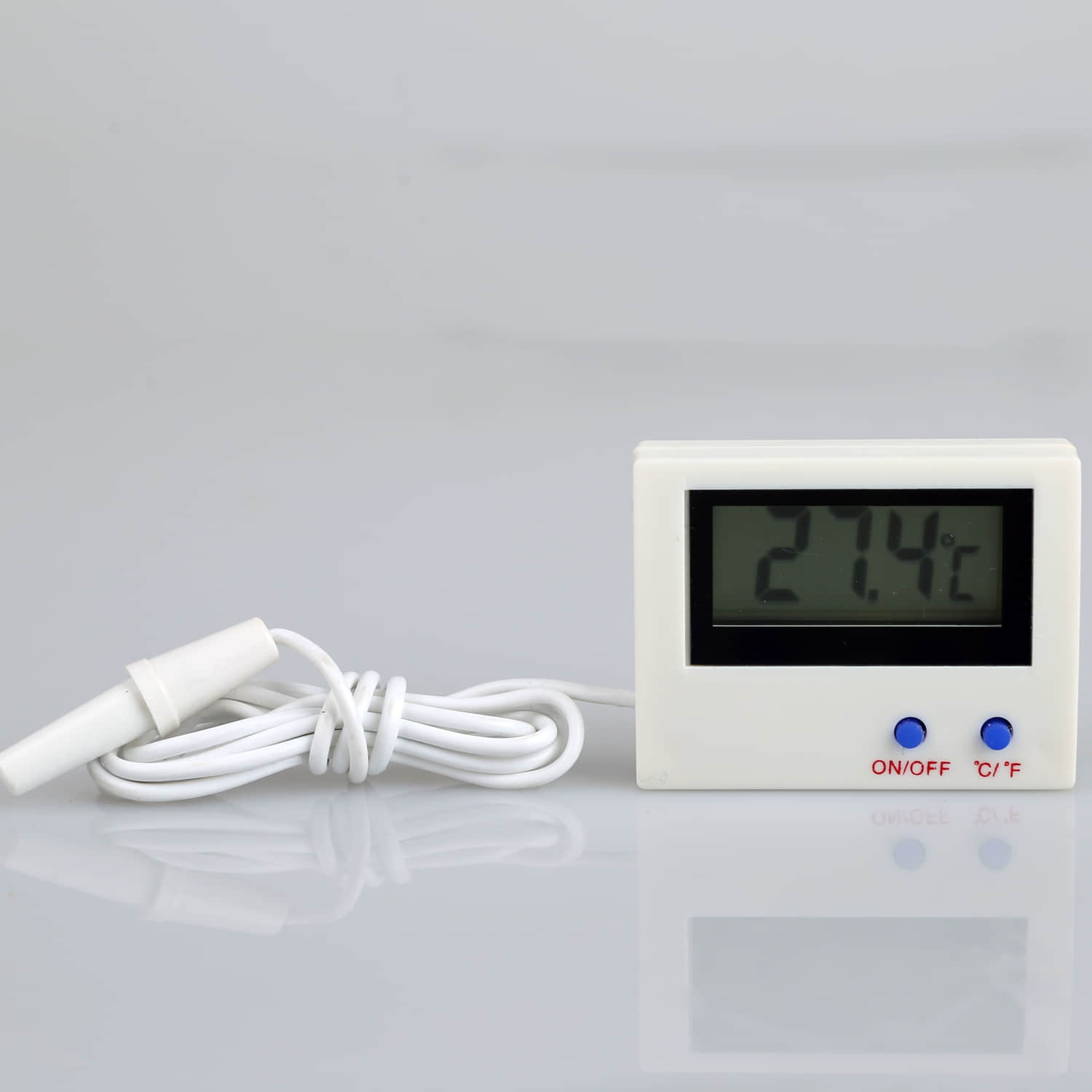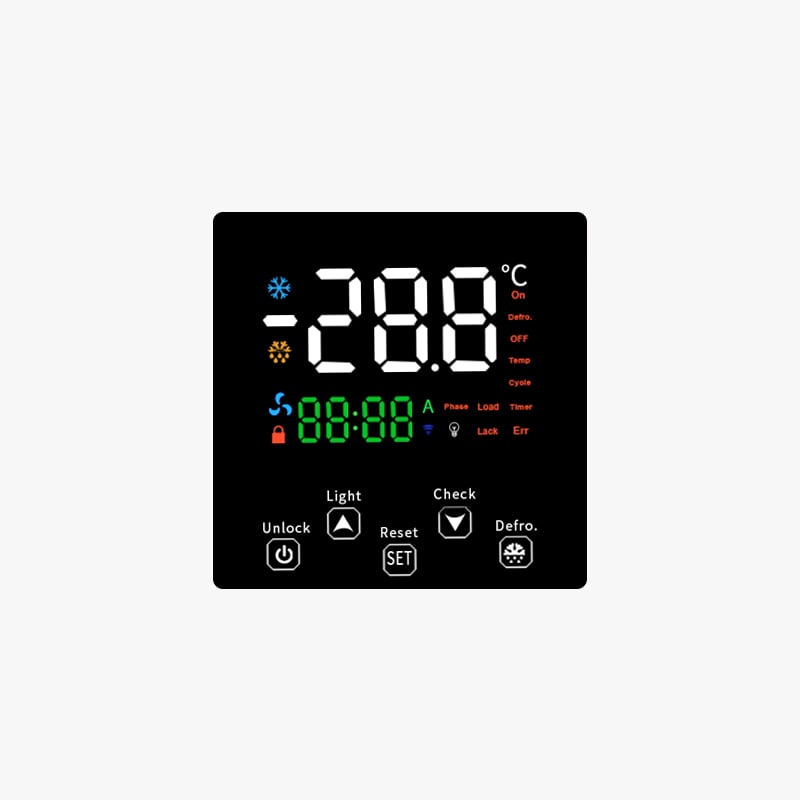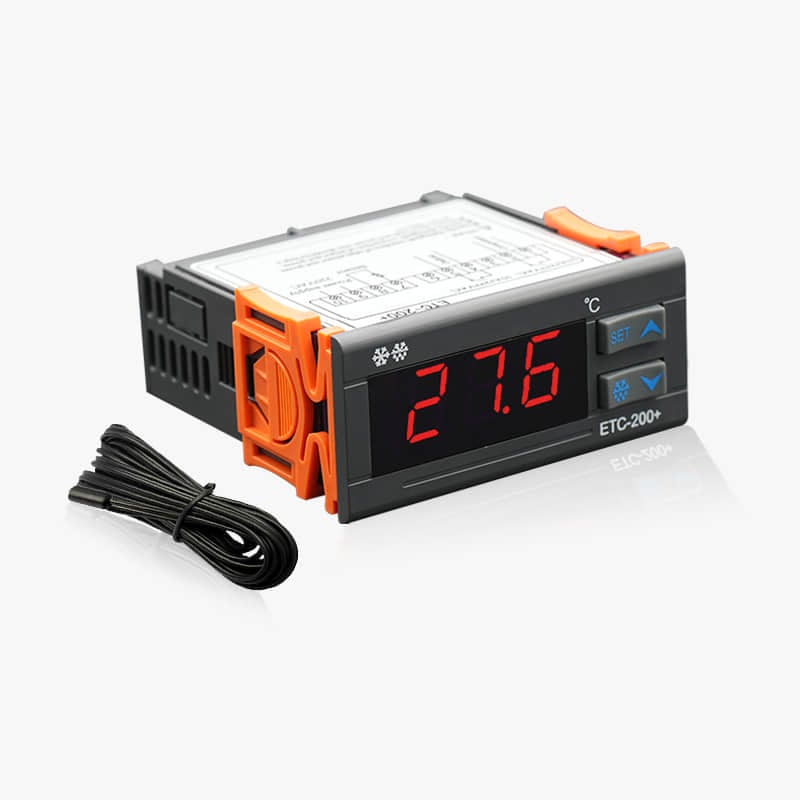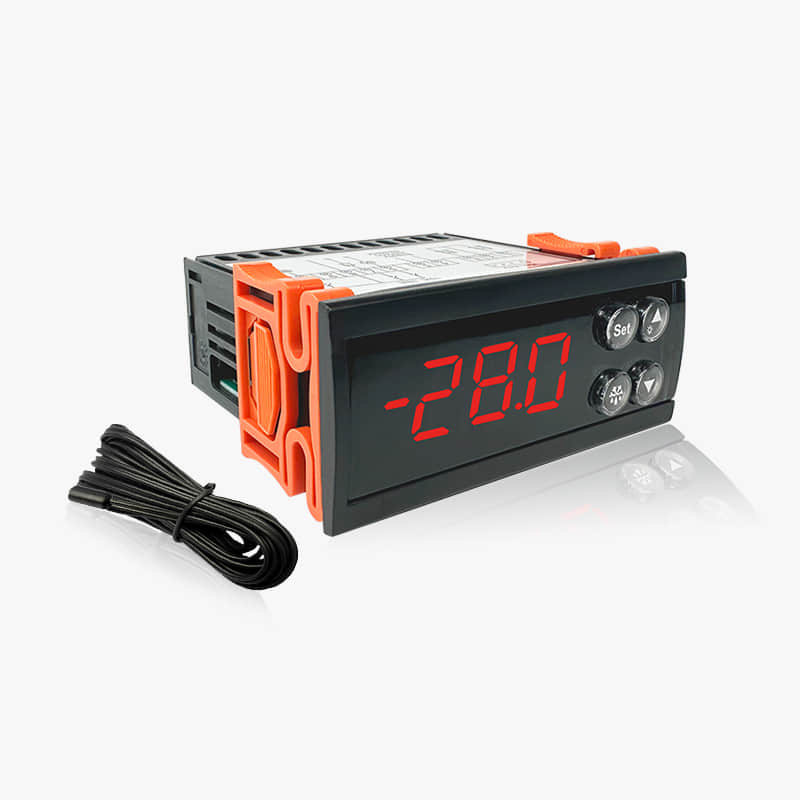
In hospitals and healthcare facilities, food storage is not just a matter of quality — it directly affects patient safety and recovery. Catering departments must store meals, dairy, and temperature-sensitive ingredients under strict conditions, often monitored by infection-control and food-safety protocols. Continuous temperature monitoring with reliable refrigeration controllers is essential to protect vulnerable patients, meet regulatory expectations, and keep hospital kitchens running without interruption.
Hospital food service handles high volumes of perishable goods for patients with weakened immune systems, so even brief temperature excursions are unacceptable. Patients on special diets, children, the elderly and immunocompromised individuals are far more vulnerable to foodborne illness, which makes prevention a clinical as well as an operational concern. Kitchens must also coordinate meal timing, cold storage of ingredients and safe holding of prepared meals, all within tight schedules and strict hygiene standards.
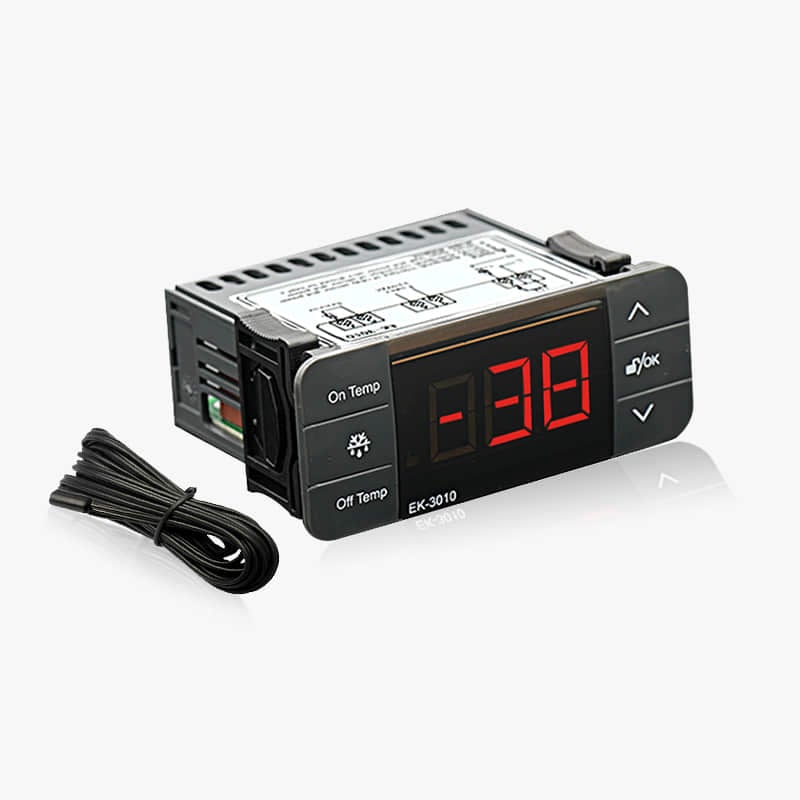
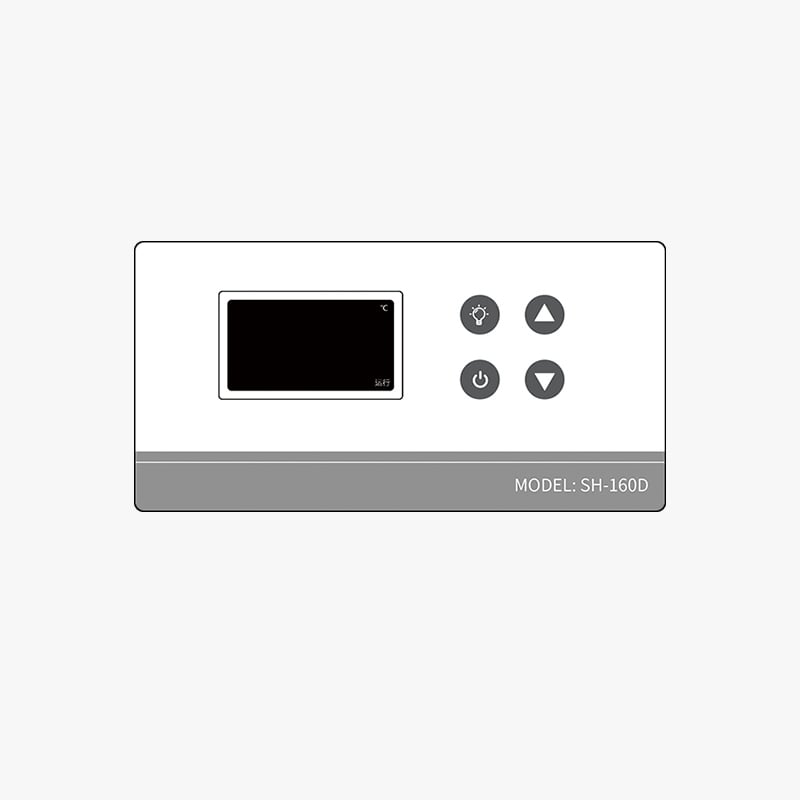
Manual temperature logs are slow and error-prone, and in a busy hospital kitchen they are often skipped under pressure. Digital refrigeration controllers automate regulation, and models with monitoring capability record conditions continuously and raise alarms immediately when a unit drifts. This reduces risk, saves staff time, and creates a verifiable record for audits and inspections. For facilities managers, having a centralized view of all cold storage points helps prioritize maintenance and avoid surprises.
Hospital food service handles high volumes of perishable goods for patients with weakened immune systems, so even brief temperature excursions are unacceptable. Manual temperature logs are slow and error-prone; a digital refrigeration controller automates regulation, and models with monitoring capability record conditions and raise alarms immediately. This reduces risk, saves staff time, and creates a verifiable record for audits and inspections.
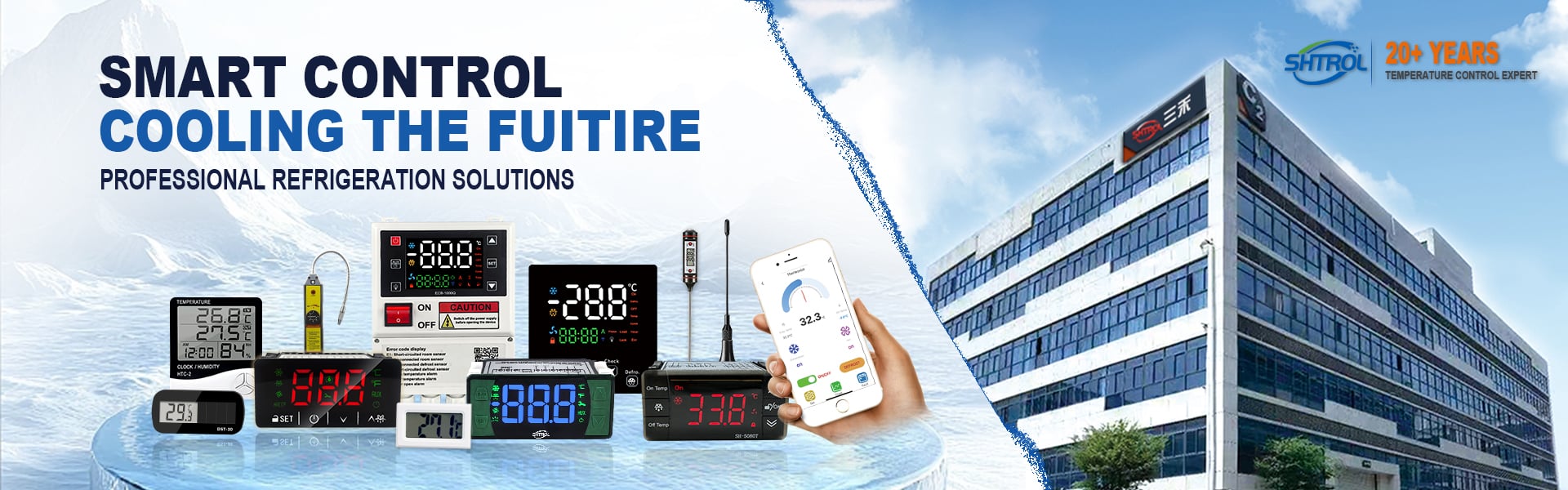
With 20+ years of refrigeration expertise, CE/RoHS/ISO certifications and exports to 100+ countries, SHTROL supports healthcare facilities in maintaining the highest food safety standards. Whether you are upgrading one cold room or equipping a new hospital kitchen, our team can recommend the right controllers and help you define a monitoring workflow that fits your operation.
A well-designed monitoring workflow makes the difference between a good system and a resilient one. Define who is responsible for responding to an alarm, what the response steps are, and how quickly a unit must be checked after an alert. Schedule periodic verification with a calibrated thermometer, and review alarm logs monthly to spot recurring issues. When responsibilities and procedures are clear, staff confidence rises and the food safety program becomes something the whole department can own.
Integration matters too. In a hospital setting, cold storage is only one of many systems competing for attention. Controllers with clear alarms and, where needed, remote notification help facilities teams prioritize without constant manual rounds. By reducing false alarms and providing reliable data, the right controller saves time and helps prevent the complacency that can creep into routine checks.
For hospital procurement, choosing a trusted supplier matters as much as the product itself. SHTROL offers stable supply, consistent quality, and technical support for healthcare clients, including guidance on sensor placement, alarm settings and documentation. By partnering with a manufacturer that understands both refrigeration and compliance, hospitals can build a cold chain that protects patients, satisfies inspectors and keeps the kitchen running day and night.
Planning the cold chain with monitoring in mind from the start also saves cost. Choosing controllers with the right inputs, alarm outputs and logging capability during design means fewer retrofits and less disruption later. Whether you are building a new kitchen or modernizing existing storage, thinking about temperature monitoring early makes the final system more reliable and easier to manage.
For more information or to request a quotation, please visit www.shtrolcooling.com or contact our export sales team. SHTROL — Precise Temperature Control, Trusted Worldwide.
 Hot News
Copyright © 2026 Xuzhou sanhe automatic control equipment Co.,LTD. All right reserved
Privacy Policy