
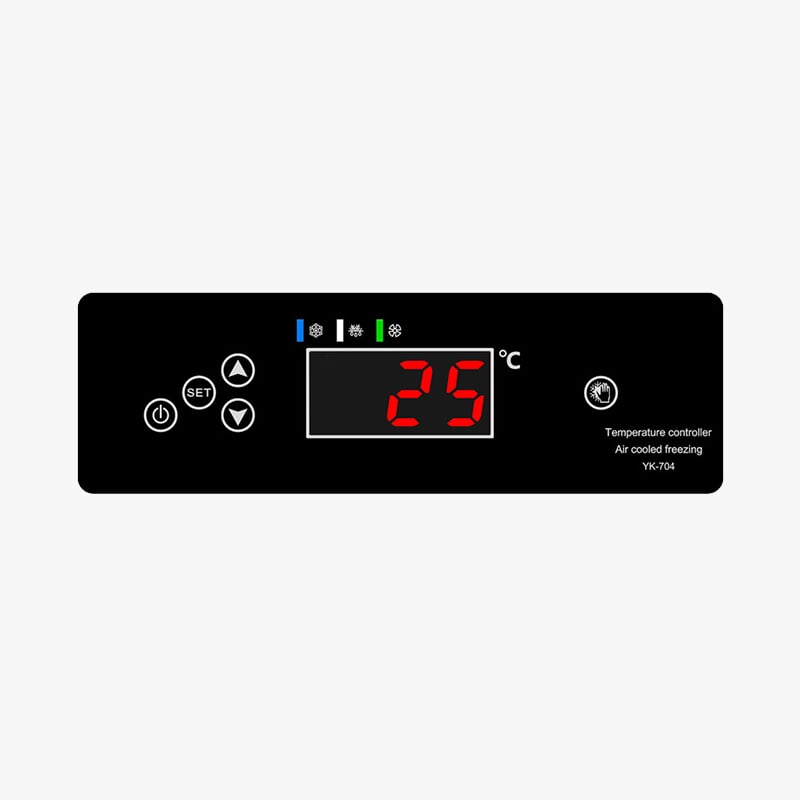
Selecting the right temperature controller is one of the most critical decisions for any commercial refrigeration operation. A properly chosen temperature controller ensures consistent product quality, minimizes energy waste, and protects your investment in refrigeration equipment. The temperature controller serves as the brain of your system, constantly monitoring ambient conditions and adjusting compressor cycles to maintain precise setpoints. Without the right temperature controller in place, your refrigeration system cannot deliver reliable performance, and you risk costly product spoilage, equipment failure, and customer dissatisfaction.
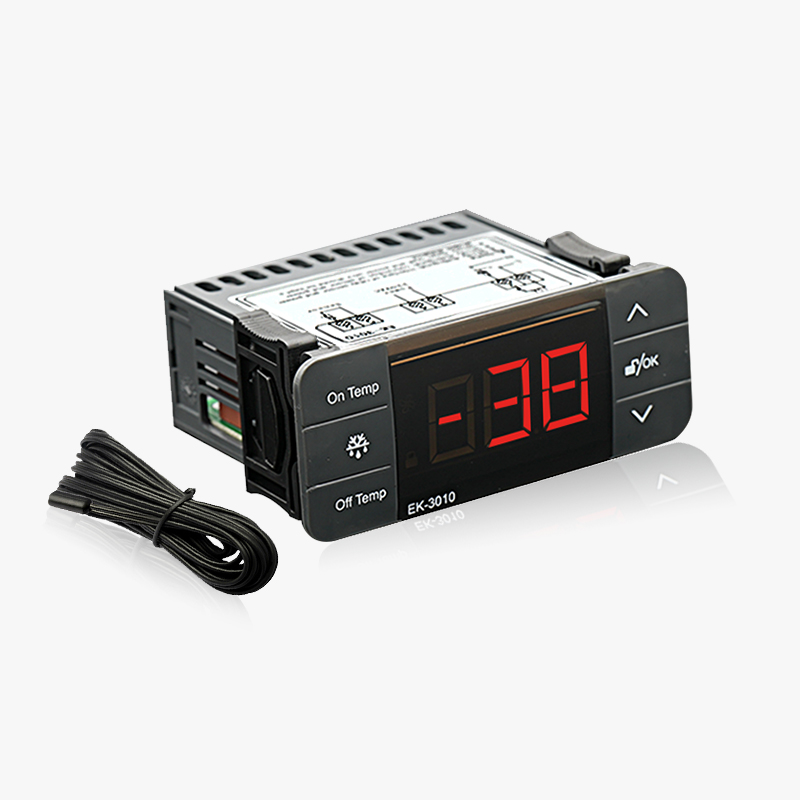
The process of choosing a temperature controller requires understanding your specific operational demands, the physical constraints of your equipment, and the technical specifications that matter most. Commercial refrigeration environments vary widely in size, product type, and environmental conditions, so a one-size-fits-all approach will not deliver optimal results. Whether you operate a small walk-in cooler, a large frozen food storage facility, or a specialized display case network, your temperature controller selection directly impacts your bottom line through energy efficiency, maintenance costs, and product preservation quality.
Understanding Temperature Controller Core Functions
Precision and Temperature Range Requirements
The accuracy of your temperature controller determines how tightly your system maintains setpoint temperatures. Most commercial refrigeration applications require a temperature controller capable of holding within ±2°F or better, though some specialty applications like pharmaceutical storage or laboratory refrigeration demand ±1°F or tighter tolerance. Understanding your product's specific temperature sensitivity is essential when selecting a temperature controller. Fresh produce, dairy products, and frozen goods each have distinct temperature windows where quality degradation accelerates outside the acceptable range. A quality temperature controller will include features like proportional-integral-derivative (PID) control logic that continuously fine-tunes compressor output to maintain tight temperature bands without excessive cycling.
Response Speed and System Stability
Your temperature controller must respond quickly to environmental changes while avoiding aggressive oscillation around the setpoint. A poorly tuned temperature controller will cause the system to overshoot or undershoot repeatedly, creating temperature swings that damage product quality and waste energy. Response speed depends on the temperature controller's sensing technology, control algorithm, and how effectively it communicates with compressor relays. Digital temperature controllers with advanced algorithms significantly outperform mechanical thermostats in maintaining stable conditions. When evaluating a temperature controller, examine its hysteresis settings—the temperature differential needed before the system cycles on or off—as this directly controls how stable your refrigeration environment remains throughout the day.
Key Selection Criteria for Temperature Controller Integration
Sensor Type and Placement Compatibility
The temperature controller you choose must match the sensor technology your refrigeration equipment uses or supports. Resistance temperature detectors (RTDs) and thermistors are the two most common sensor types in commercial refrigeration, and your temperature controller must interface correctly with whichever sensor your system employs. The temperature controller's sensor input specifications determine accuracy and response characteristics. Many commercial refrigeration systems already have installed sensors, so your temperature controller selection must account for this existing infrastructure. Additionally, the physical mounting location of your temperature controller—inside the refrigerated space versus remote wall mounting—affects how accurately it senses conditions and how quickly it responds to temperature changes.
Electrical Specifications and Control Output
Your temperature controller must have electrical ratings and output capabilities that match your refrigeration system's requirements. This includes voltage compatibility (120V, 240V, or three-phase power), amperage capacity for controlling compressor contactors and solenoid valves, and any specialized outputs needed for defrost cycles or alarm functions. A robust temperature controller designed for commercial refrigeration includes multiple control outputs—typically a compressor relay, a defrost function, and an alarm circuit—allowing centralized management of all critical refrigeration functions. The temperature controller's input power must be properly protected with appropriate circuit breakers and fusing, and it should include surge protection to guard against electrical transients that could damage sensitive electronics. Verify that the temperature controller's output relay ratings exceed your application's actual load requirements with safety margin.
Communication and Integration Capabilities
Modern commercial refrigeration operations increasingly demand temperature controllers that integrate with building management systems and provide remote monitoring. Consider whether your temperature controller needs Ethernet, WiFi, or modbus connectivity to centralize temperature data and alerts across multiple locations. The temperature controller you select should offer data logging capabilities that create audit trails for compliance purposes—particularly important for food service and pharmaceutical applications where temperature records must be maintained for regulatory requirements. Integration capabilities also include compatibility with existing energy management systems that optimize overall facility power consumption. When selecting a temperature controller, evaluate both current connectivity needs and future scalability, as digital infrastructure becomes increasingly central to commercial refrigeration operations.
Application-Specific Temperature Controller Selection
Walk-In Coolers and Freezers
Walk-in applications require a temperature controller rated for the specific volume and insulation quality of your space. Larger walk-in units demand temperature controllers with faster response times and more precise cycling logic to handle the thermal mass of the contained inventory. The temperature controller for a walk-in must account for door openings and traffic patterns that temporarily destabilize internal conditions. Quality temperature controller models for walk-ins include defrost cycle management—either time-initiated or adaptive defrost—since frost accumulation directly impacts system efficiency and temperature stability. temperature controller units designed for commercial walk-in applications typically offer larger temperature display ranges and more intuitive operator interfaces because multiple staff members will interact with the system daily.
Display Cases and Reach-In Units
Display cases and reach-in refrigerators require more sophisticated temperature controller logic than walk-ins because these units experience constant external heat gain from lights, customer contact, and ambient air infiltration. Your temperature controller must handle continuous load cycling without excessive compressor short-cycling that reduces component lifespan. Many reach-in units benefit from temperature controllers with adaptive control algorithms that learn your specific operating patterns and adjust compressor run times accordingly. The temperature controller's ability to manage multiple independent compartments—different temperature zones within one unit—becomes important in larger display installations. Precise temperature controller tuning in these applications directly impacts both product presentation quality and energy consumption, making selection especially important for retail grocery and foodservice environments.
Specialized Storage Applications
Wine cellars, pharmaceutical storage, and laboratory applications demand temperature controllers with exceptional stability and often require dual-stage cooling systems. Your temperature controller selection must account for the specific temperature and humidity requirements unique to these applications. Advanced temperature controller models for specialized storage include humidity sensing and management, redundant alarm circuits, and battery backup for critical systems. These applications often require temperature controllers with enhanced data logging and audit trail capabilities for compliance documentation. The temperature controller's precision specifications and long-term stability become even more critical when product value or safety implications are extremely high.
FAQ
What temperature controller specifications matter most for my refrigeration system?
The most important temperature controller specifications for your system are temperature accuracy (typically ±2°F or better), response speed relative to your space size, sensor compatibility with existing equipment, and electrical output capacity for your compressor and solenoid valves. Beyond basic functionality, evaluate whether your temperature controller needs monitoring capabilities, defrost management, and integration features that align with your operational infrastructure and future scalability needs.
Can I replace an existing temperature controller with any new model?
Not all temperature controller models are directly interchangeable. You must verify that the new temperature controller matches your system's voltage requirements, sensor type, and relay output specifications. Additionally, physical mounting dimensions and connector types must accommodate your existing equipment. Before purchasing a replacement temperature controller, confirm compatibility with your sensor type, refrigeration unit specifications, and any specialized functions like defrost management that your original system required.
How does temperature controller accuracy affect refrigeration costs?
A precise temperature controller that minimizes temperature oscillation reduces compressor cycling frequency and extends component lifespan, directly lowering energy costs and maintenance expenses. Poor temperature controller performance causes the system to overshoot setpoints, triggering unnecessary compressor starts and increasing overall facility power consumption. Investing in a quality temperature controller typically pays for itself within months through reduced energy bills, less frequent equipment servicing, and improved product preservation quality.