
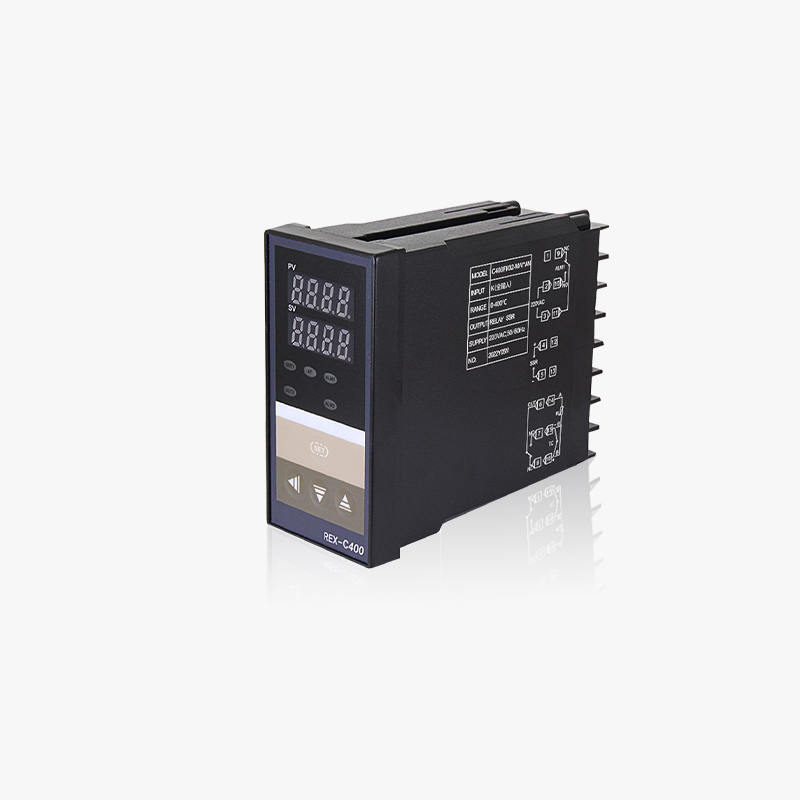
Establishing proper temperature control in cold storage facilities begins with understanding how a cold room controller functions and why its setup matters. A cold room controller is the central device that maintains precise temperature conditions essential for preserving perishable goods, pharmaceuticals, and other temperature-sensitive inventory. Without correct configuration, even the most advanced refrigeration equipment fails to deliver the reliability and energy efficiency that modern cold storage operations demand. This guide walks through the complete process of setting up a cold room controller to ensure your facility maintains optimal conditions consistently.

The installation and configuration of a cold room controller directly influence operational performance, energy consumption, and regulatory compliance. Whether you operate a commercial refrigeration warehouse, a pharmaceutical storage facility, or a food distribution center, the cold room controller serves as the brain of your temperature management system. Proper setup ensures that alarms trigger before critical temperature excursions occur, that compressors cycle efficiently, and that your facility meets industry standards and customer expectations. Understanding each setup phase reduces downtime, prevents costly inventory loss, and optimizes long-term operational costs.
Understanding Cold Room Controller Components and Wiring
Core Hardware and Sensor Integration
A cold room controller integrates multiple physical components that work together to regulate temperature. The primary sensor—typically a thermistor or resistance temperature detector (RTD)—communicates current facility temperature to the controller's processing unit. The cold room controller compares this reading against your programmed setpoint and sends signals to the refrigeration compressor, expansion valve, or defrost circuit based on the difference. Power supply connections must deliver stable voltage to the cold room controller, while output relays connect to compressors, fans, and alarm systems. Proper wiring ensures that the cold room controller responds accurately to temperature changes without electrical noise interference that could trigger false alarms or erratic behavior.
Electrical Connections and Safety Considerations
Installing a cold room controller requires careful attention to electrical specifications and safety protocols. All power connections to the cold room controller must match the device's rated voltage and phase requirements, typically single-phase or three-phase industrial power. Ground the cold room controller according to local electrical codes to prevent shock hazards and voltage spikes. Use shielded cable for sensor leads running to the cold room controller to minimize electromagnetic interference that degrades temperature accuracy. Circuit breakers and disconnect switches rated for the cold room controller's amperage rating protect the system during maintenance and emergency shutdowns. Verify that the installation area has adequate ventilation around the cold room controller housing to prevent overheating of internal circuits, which reduces device lifespan and reliability.
Programming Temperature Setpoints and Operating Parameters
Setting Target Temperature and Hysteresis Values
The cold room controller's configuration begins with establishing your target temperature setpoint based on product storage requirements. Most facilities store frozen goods at minus 18°C or colder, while refrigerated items require plus 2°C to plus 5°C. Once you enter the setpoint into the cold room controller, you must define hysteresis—the temperature band around the setpoint where the cold room controller allows fluctuation before triggering compressor on-off cycles. Hysteresis typically ranges from 0.5°C to 2°C; wider hysteresis reduces compressor cycling and energy consumption but allows slightly larger temperature swings. The cold room controller uses this hysteresis range to prevent rapid on-off cycling that shortens compressor life and wastes energy. Balancing hysteresis ensures the cold room controller operates efficiently while maintaining products within safety margins established by food safety or pharmaceutical regulations.
Alarm Thresholds and Alert Configuration
Configuring alarm parameters in the cold room controller protects your inventory and ensures timely response to equipment failures. High-temperature alarms trigger when the cold room controller detects that facility temperature exceeds a maximum allowable level, typically 2°C to 5°C above the primary setpoint. Low-temperature alarms activate when the cold room controller measures temperatures below a minimum threshold, protecting against freezing sensitive products. The cold room controller must support communication methods—audible buzzers, visual indicators, email alerts, or SMS notifications—that reach facility managers immediately. Setting appropriate alarm delays prevents nuisance alerts from brief temperature fluctuations during compressor cycling or door openings. Many modern cold room controller models include data logging features that record temperature excursions, allowing you to analyze patterns and identify whether alarm configurations protect adequately or need adjustment.
Commissioning and Performance Verification
Temperature Sensor Calibration and Accuracy Testing
Before placing the cold room controller into full operation, verify that the temperature sensor connected to the cold room controller reads accurately by comparing it against a calibrated reference thermometer. Place both the cold room controller sensor and the reference device at the same location in the coldest part of the facility and wait for readings to stabilize. Acceptable deviation between the cold room controller's display and the reference thermometer typically does not exceed ±1°C. If the cold room controller shows greater error, adjust the sensor offset parameter in the device settings to correct the reading. Recalibration of the cold room controller sensor becomes necessary periodically—typically annually—as sensor accuracy degrades over time due to thermal cycling and vibration exposure. Professional calibration services can verify and adjust the cold room controller sensor to manufacturer specifications when in-house methods prove insufficient.
Load Testing and System Response Verification
Once the cold room controller passes calibration verification, initiate load testing to confirm that the device responds appropriately to temperature changes. Deliberately introduce warm air into the facility by propping open an access door, then observe how the cold room controller triggers compressor activation when temperature rises above setpoint plus hysteresis. Monitor how the cold room controller maintains temperature during compressor operation and stops the compressor as temperature approaches setpoint. Verify that high-temperature alarms activate at configured thresholds without nuisance triggers during normal operation. The cold room controller's response time—from temperature excursion detection to compressor signal transmission—should occur within 30 seconds for most industrial applications. Document all testing results and retain commissioning records; this documentation proves to regulators and customers that your cold room controller underwent proper startup verification and operates according to design specifications.
FAQ
How often should I recalibrate my cold room controller?
Annual recalibration of your cold room controller sensor maintains accuracy and ensures regulatory compliance, particularly in pharmaceutical and food storage applications where temperature precision directly impacts product integrity and safety. Some facilities with high-consequence operations perform recalibration every six months. Document all recalibration activities to create an audit trail proving your facility maintains equipment validation standards required by quality management systems and industry regulations.
What should I do if my cold room controller displays an error code?
Error codes on your cold room controller typically indicate sensor failures, power supply problems, or configuration conflicts. Consult the manufacturer's manual to identify what the specific error code means for your cold room controller model. Most errors require sensor replacement or electrical circuit troubleshooting; do not attempt to bypass error conditions, as your cold room controller's protective function becomes compromised. Contact the equipment supplier or a qualified technician to resolve critical errors affecting your cold room controller's operation.
Can I adjust cold room controller setpoints remotely?
Many modern cold room controller units support remote access through network connectivity, allowing authorized personnel to view temperature readings and modify parameters from office computers or mobile devices. However, remote adjustment of a cold room controller requires robust cybersecurity protections, role-based access controls, and audit logging to prevent unauthorized changes that compromise product safety. Verify that your cold room controller's remote capability includes authentication, encryption, and detailed change records before enabling remote functionality in your facility.