
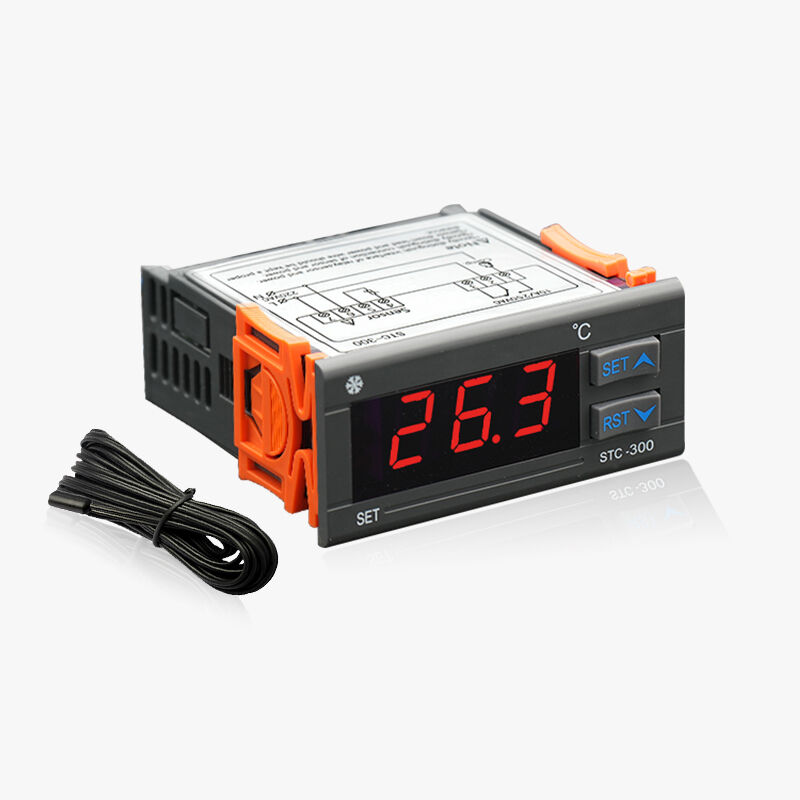
جدید گھر اور کاروبار بجلی کی صرفہ کو کم کرنے اور آرام کے درجہ حرارت کو بہتر بنانے کے لیے جدید درجہ حرارت کنٹرول کے حل کی طرف رجوع کر رہے ہیں۔ ڈیجیٹل تھرموسٹیٹ روایتی اینالاگ ماڈلز سے ایک اہم بہتری ہے، جو درجہ حرارت کے درست انتظام اور ذہین خصوصیات فراہم کرتا ہے جو بلکل بجلی کے بل کو نمایاں طور پر کم کر سکتی ہیں۔ یہ پیچیدہ آلے جدید ترین ٹیکنالوجی کو صارف دوست انٹرفیس کے ساتھ ملاتے ہیں، جس کی وجہ سے وہ ان توانائی کے حوالے سے آگاہ مالکان کے لیے ضروری اجزاء بن جاتے ہیں جو موثریت کو زیادہ سے زیادہ کرنے کے ساتھ ساتھ اندرونی موسمی حالات کو بہترین سطح پر برقرار رکھنا چاہتے ہیں۔
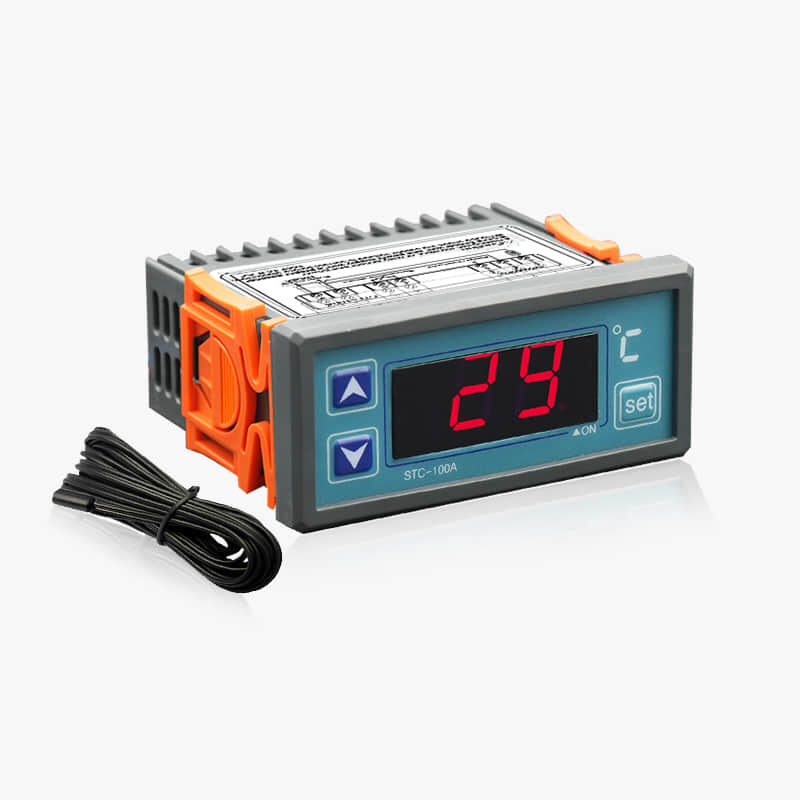
پروگرام ایبل شیڈولنگ ٹیکنالوجی
متعدد دورانیہ پروگرامنگ کی صلاحیتیں
کسی بھی ڈیجیٹل تھرمواسٹیٹ کی سب سے اثرانداز توانائی بچانے والی خصوصیت اس کی پروگرام ایبل شیڈولنگ کی صلاحیت ہے۔ روایتی تھرمواسٹیٹس کے برعکس جو آبادی کی حالت کو مدنظر رکھے بغیر مستقل درجہ حرارت برقرار رکھتے ہیں، پروگرام ایبل ماڈلز صارفین کو روزمرہ کی دنچریوں کے مطابق اپنی مرضی کے مطابق گرم کرنے اور ٹھنڈا کرنے کے شیڈول بنانے کی اجازت دیتے ہیں۔ یہ ذہین شیڈولنگ نظام کو غیر آباد جگہوں یا نیند کے اوقات کے دوران خود بخود درجہ حرارت کو ایڈجسٹ کرنے کے ذریعے توانائی کے استعمال کو تیس فیصد تک کم کر سکتی ہے۔
جدید ڈیجیٹل تھرمواسٹیٹ ماڈلز دن بھر میں متعدد پروگرامنگ کے اوقات فراہم کرتے ہیں، جس کے ذریعے صارفین زیادہ سے زیادہ کارکردگی کے لیے درجہ حرارت کی ترتیبات کو درست کر سکتے ہیں۔ جائیداد کے مالک صبح و شام کے لیے مختلف درجہ حرارت کو ہفتہ وار اور ہفتہ وار کے لحاظ سے الگ الگ پروگرام کر سکتے ہیں، جس سے مختلف شیڈولز کو سنبھالا جا سکتا ہے جبکہ آبادی کے دوران آرام کو یقینی بنایا جا سکتا ہے۔ ڈیجیٹل کنٹرولز کی درستگی سے دستی ایڈجسٹمنٹس کے ساتھ وابستہ اندازے لگانے کی ضرورت ختم ہو جاتی ہے، جس کے نتیجے میں وقت کے ساتھ مسلسل توانائی کی بچت ہوتی ہے۔
چھٹیوں اور اووررائیڈ کی خصوصیات
پیشہ ورانہ درجے کے ڈیجیٹل تھرموسٹیٹ سسٹم میں چھٹیوں کے موڈ شامل ہوتے ہیں جو طویل عرصے تک غیر موجودگی کے دوران بجلی کے استعمال کو کم سے کم رکھتے ہیں۔ یہ خصوصیات خود بخود دنوں یا ہفتے کے لیے توانائی بچانے والے درجہ حرارت پر ایڈجسٹ ہو سکتی ہیں، اور واپس آنے پر عام پروگرامنگ کو دوبارہ شروع کر دیتی ہیں۔ اووررائیڈ فنکشنز قائم شدہ شیڈول کو متاثر کیے بغیر عارضی طور پر دستی کنٹرول فراہم کرتے ہیں، جس سے ضرورت پڑنے پر فوری آرام کے انتظامات کی اجازت ملتی ہے اور مقررہ وقت کے بعد دوبارہ پروگرام شدہ سیٹنگز پر واپس لوٹ جاتے ہیں۔
سمارٹ اووررائیڈ کی صلاحیتوں کا اندراج یقینی بناتا ہے کہ عارضی ایڈجسٹمنٹس توانائی بچانے والے شیڈول کو مستقل طور پر متاثر نہیں کرتیں۔ صارفین غیر متوقع شیڈول کی تبدیلیوں کے لیے درجہ حرارت میں فوری تبدیلیاں کر سکتے ہیں، جبکہ ڈیجیٹل تھرموسٹیٹ خود بخود پروگرام شدہ سیٹنگز پر واپس لوٹ جاتا ہے، جس سے طویل المدتی کارکردگی کے اہداف کو مسلسل دستی مداخلت کے بغیر برقرار رکھا جا سکتا ہے۔
درست درجہ حرارت کنٹرول سسٹم
بہتر شدہ درستگی اور استحکام
ڈیجیٹل تھرموسٹیٹ کا ٹیکنالوجی میکانی متبادل کے مقابلے میں درجہ حرارت کی درستگی میں قابلِ ذکر بہتری فراہم کرتی ہے۔ جب کہ اینالاگ تھرموسٹیٹ عام طور پر درجہ حرارت کو سیٹ پوائنٹس سے تین سے پانچ درجہ تک برقرار رکھتے ہیں، ڈیجیٹل ماڈلز ایک درجہ یا اس سے کم کی درستگی حاصل کرتے ہیں۔ اس بہتر درستگی سے درجہ حرارت کے اوورشُوٹنگ کی وجہ سے توانائی کے ضیاع کو روکا جاتا ہے اور غیر ضروری گرم کرنے یا ٹھنڈا کرنے کے سائیکلز کو کم کیا جاتا ہے جو یوٹیلیٹی کے اخراجات کو بڑھاتے ہیں۔
ڈیجیٹل درجہ حرارت کنٹرول کی استحکام پرانے تھرموسٹیٹس کے ساتھ عام درجہ حرارت کے اتار چڑھاؤ کو ختم کر دیتا ہے، جس سے زیادہ مستقل اندر کا ماحول پیدا ہوتا ہے اور کم توانائی کا استعمال ہوتا ہے۔ جدید سینسرز مسلسل ماحولیاتی حالات کی نگرانی کرتے ہیں اور درجہ حرارت کے درست ہدف کو برقرار رکھنے کے لیے مائیکرو ایڈجسٹمنٹس کرتے ہیں، جس کے نتیجے میں مستقل آرام کے سطحیں اور نظام کے سائیکلنگ میں کمی آتی ہے جو آلات کی عمر کو بڑھاتی ہے۔
مطابقت پذیر سیکھنے کے الگورتھم
جدید ڈیجیٹل تھرموسٹیٹ ماڈلز میں مشین لرننگ کی صلاحیتیں شامل ہوتی ہیں جو استعمال کے نمونوں اور ماحولیاتی عوامل کا تجزیہ کرکے خود بخود توانائی کے استعمال کو بہتر بناتی ہیں۔ یہ ذہین نظام یہ سیکھتے ہیں کہ کون سی جگہیں کتنی جلدی گرم یا ٹھنڈی ہوتی ہیں، اور آپریشن کے وقت کو اس طرح ایڈجسٹ کرتے ہیں کہ مطلوبہ درجہ حرارت بالکل وہی وقت پر حاصل ہو جائے جب ضرورت ہو، بجائے اس کے کہ یہ مسلسل چلتا رہے یا بہت زودہ شروع ہو جائے۔
ان ایڈاپٹیو الگورتھمز میں باہر کے موسمی حالات، عمارت کی تھرمل ماس، اور تاریخی استعمال کے اعداد و شمار جیسے عوامل کو مدنظر رکھا جاتا ہے تاکہ بہترین آپریشن کے شیڈول کی پیش بینی کی جا سکے۔ یہ پیش بینی کی صلاحیت ڈیجیٹل ترموسٹیٹ کو توانائی کے استعمال کو کم سے کم کرنے کے ساتھ ساتھ آرام کی ضروریات کو مستقل اور موثر طریقے سے پورا کرنے کی اجازت دیتی ہے۔
جدید سینسر انضمام
متعدد علاقوں میں درجہ حرارت کی نگرانی
پیشہ ورانہ ڈیجیٹل تھرموسٹیٹ سسٹم اکثر متعدد سینسر ان پٹس کی خصوصیت رکھتے ہیں جو عمارت کے مختلف علاقوں میں درجہ حرارت کی نگرانی کرتے ہیں۔ یہ ملٹی زون صلاحیت غیر مشغول جگہوں کو غیر ضروری طور پر گرم یا ٹھنڈا کرنے سے روک کر توانائی کے ضیاع کو روکتی ہے، جبکہ فعال علاقوں میں آرام کو برقرار رکھتی ہے۔ جدید سینسر نیٹ ورک ماحولیاتی اعداد و شمار کا جامع احاطہ فراہم کرتا ہے، جو درحقیقت موجودہ حالات کی بنیاد پر درست کنٹرول کے فیصلوں کو ممکن بناتا ہے، نہ کہ صرف ایک واحد نقطہ کے پیمائش پر مبنی فیصلوں پر۔
دور کے سینسرز کو مختلف کمرے یا زونز میں منصوبہ بندی کے ساتھ نصب کیا جا سکتا ہے، جس سے ڈیجیٹل تھرموسٹیٹ مختلف مقامات پر درجہ حرارت کا اوسط حساب لگا سکتا ہے یا رہائشی شیڈول کی بنیاد پر کسی خاص علاقے کو ترجیح دے سکتا ہے۔ اس تقسیم شدہ نگرانی کے طریقہ کار سے یہ یقینی بنایا جاتا ہے کہ توانائی کو وہاں مرکوز کیا جائے جہاں اس کی سب سے زیادہ ضرورت ہو، جس سے گرم یا سرد دھبوں کو ختم کر دیا جاتا ہے جن کے باعث آرام برقرار رکھنے کے لیے اضافی گرمی یا ٹھنڈک کی ضرورت پڑتی۔
ماحولیاتی حالات کا احساس
جدید ڈیجیٹل تھرموسٹیٹ ماڈلز میں نمی کے سینسرز اور ہوا کی معیار کے مانیٹرز شامل ہوتے ہیں جو بہترین توانائی کی کارکردگی کے لیے درجہ حرارت کے کنٹرول کے فیصلوں کو متاثر کرتے ہیں۔ اونچی نمی کی سطحیں جگہوں کو گرم تر محسوس کرواتی ہیں، جس کی وجہ سے ٹھنڈا کرنے کے لیے زیادہ اونچے سیٹ پوائنٹس استعمال کیے جا سکتے ہیں، جبکہ کم نمی کی صورت میں ایک جیسے آرام کے لیے تھوڑا کم گرم کرنے کا درجہ حرارت درکار ہو سکتا ہے۔ یہ ماحولیاتی عوامل توانائی کے استعمال کو کم کرنے میں مدد دیتے ہیں جبکہ اندرونی حالات کو مرغوب سطح پر برقرار رکھتے ہیں۔
بیرونی درجہ حرارت کے سینسرز کو ضم کرنے سے ڈیجیٹل تھرموسٹیٹ سسٹمز کو خارجی موسمی حالات کی بنیاد پر گرم کرنے اور ٹھنڈا کرنے کی ضروریات کی پیش بینی کرنے کی صلاحیت حاصل ہوتی ہے۔ یہ پیش بینی کی صلاحیت سسٹم کو درجہ حرارت کی تبدیلیوں کے بعد ردِ عمل ظاہر کرنے کے بجائے جگہوں کو آہستہ آہستہ تیار کرنے کی اجازت دیتی ہے، جس سے اعلیٰ توانائی کی طلب اور اس سے منسلک اخراجات میں کمی آتی ہے۔
ذکی کانیکٹیوٹی خصوصیات
دور سے رسائی اور کنٹرول
انٹرنیٹ کنیکٹیویٹی ایک ڈیجیٹل تھرموسٹیٹ کو ایک طاقتور توانائی کے انتظام کے آلے میں تبدیل کرتی ہے جسے کسی بھی جگہ سے نگرانی اور کنٹرول کیا جا سکتا ہے۔ دور سے رسائی کی صلاحیتیں آپارٹمنٹ کے مالکان کو گھر پہنچنے سے پہلے درجہ حرارت کو ایڈجسٹ کرنے یا اچانک منصوبوں میں تبدیلی کے وقت توانائی بچانے کی ترتیبات کو لمبا کرنے کی اجازت دیتی ہیں۔ یہ لچک یقینی بناتی ہے کہ خالی جگہوں کو گرم یا ٹھنڈا کرنے پر کبھی بھی توانائی ضائع نہ ہو، جبکہ ضرورت پڑنے پر فوری طور پر آرام کو بحال کرنے کی صلاحیت برقرار رہتی ہے۔
موبائل ایپلی کیشنز تفصیلی توانائی کے استعمال کی رپورٹس اور حقیقی وقت کی نگرانی فراہم کرتی ہیں جو صارفین کو اضافی بچت کے مواقع کی شناخت میں مدد دیتی ہیں۔ گرم کرنے اور ٹھنڈا کرنے کے نمونوں کا واضح اندازہ لگانا اسکیڈول میں ایڈجسٹمنٹ اور نظام کی بہتری کے بارے میں آگاہ فیصلوں کو ممکن بناتا ہے، جس کے نتیجے میں وقتاً فوقتاً توانائی کی کارکردگی میں مسلسل بہتری آتی ہے۔
سمارٹ بلڈنگ سسٹمز کے ساتھ انضمام
جدید ڈیجیٹل تھرموسٹیٹ کی ٹیکنالوجی عمارت کے وسیع خودکار نظاموں کے ساتھ بے داغ طور پر ضم ہوتی ہے، جس سے متعدد نظاموں میں من coordinated توانائی کے انتظام کو فعال کیا جا سکتا ہے۔ موجودہ صارفین کے سینسرز، روشنی کے کنٹرول اور سیکیورٹی نظاموں کے ساتھ اس کی ضمیش سے جامع توانائی بچانے کی حکمت عملیاں تشکیل پاتی ہیں جو صرف پیشگی طے شدہ شیڈول کے بجائے عمارت کے اصل استعمال کے نمونوں کے مطابق ردِ عمل ظاہر کرتی ہیں۔
کنیکٹیویٹی کی خصوصیات ڈیجیٹل تھرموسٹیٹ نظاموں کو موسمیاتی پیش گوئیاں، بجلی کی درجہ بندی کی معلومات اور آپریشن کے فیصلوں کو متاثر کرنے والے ڈیمانڈ ریسپانس سگنلز وصول کرنے کی اجازت دیتی ہیں۔ یہ خارجی ڈیٹا کی ضمیش داینامک بہترین کارکردگی کی حکمت عملیوں کو ممکن بناتی ہے جو غیر اعلیٰ طلب کے دوران بجلی کی کم قیمت کا فائدہ اٹھاتی ہیں اور زیادہ طلب والے دوران سے گریز کرتی ہیں، جس سے مجموعی طور پر توانائی کے اخراجات مزید کم ہوتے ہیں۔
توانائی کے استعمال کا تجزیہ اور رپورٹنگ
استخدام کی نگرانی اور تجزیہ
جامع توانائی کی نگرانی کی صلاحیتیں پیشہ ورانہ ڈیجیٹل تھرموسٹیٹ سسٹمز کو بنیادی ماڈلز سے ممتاز کرتی ہیں۔ یہ جدید اکائیاں گرمی اور سردی کی توانائی کے استعمال کو حقیقی وقت میں ٹریک کرتی ہیں، اور تفصیلی رپورٹس فراہم کرتی ہیں جو استعمال کے طرزِ عمل کو شناخت کرتی ہیں اور اضافی بچت کے مواقع کو اجاگر کرتی ہیں۔ تجزیاتی صلاحیتیں آمدنی والے مالکان کو درجہ حرارت کی ترتیبات، شیڈولنگ کے فیصلوں اور اصل توانائی کے اخراجات کے درمیان تعلق کو سمجھنے میں مدد دیتی ہیں۔
حالیہ ڈیٹا کے تجزیے سے صارفین مختلف وقتی دورانیوں کے دوران توانائی کے استعمال کا موازنہ کر سکتے ہیں، اور مختلف کارکردگی بہتر بنانے کی حکمت عملیوں کی موثریت کا جائزہ لے سکتے ہیں۔ تفصیلی رپورٹنگ ڈیجیٹل تھرموسٹیٹ کے سرمایہ کاری کو دستاویزی توانائی کی بچت کے ذریعے جائز ثابت کرنے میں مدد دیتی ہے، جبکہ وہ علاقوں کو بھی شناخت کرتی ہے جہاں مزید بہتری ممکن ہو سکتی ہے۔
پیشنہنی نگہداشت اعلموں
جدید ڈیجیٹل تھرموسٹیٹ ماڈلز ایچ وی اے سی سسٹم کی کارکردگی کو نگرانی میں رکھتے ہیں اور ممکنہ رفتار کی ضروریات کے بارے میں ابتدائی انتباہ فراہم کرتے ہیں۔ سسٹم کی موثری کے معیارات کو ٹریک کرنے اور کارکردگی میں کمی کے رجحانات کو شناخت کرنے کے ذریعے، یہ ذہین آلات توانائی کے ضیاع کو روکنے میں مدد دیتے ہیں جو غیر مناسب طریقے سے دیکھ بھال کی گئی سامان کی وجہ سے پیدا ہوتا ہے۔ وقت پر دی جانے والی دیکھ بھال کی یاد دہانیاں یقینی بناتی ہیں کہ گرمی اور سردی کے سسٹم اپنی سروس کی مدت کے دوران زیادہ سے زیادہ موثری کے ساتھ کام کرتے رہیں۔
پیش گوئی کی صلاحیتیں فلٹر تبدیل کرنے کی یاد دہانیوں، سسٹم کی تشخیص اور زیادہ سے زیادہ توانائی کی موثری برقرار رکھنے کے لیے کارکردگی کو بہتر بنانے کے تجاویز تک پھیلی ہوئی ہیں۔ یہ حفاظتی خصوصیات نظر انداز کی گئی دیکھ بھال کی وجہ سے ہونے والی تدریجی کارکردگی کی کمی کو روکتی ہیں، جس سے یہ یقینی بنایا جاتا ہے کہ ڈیجیٹل تھرموسٹیٹ وقت کے ساتھ ساتھ بہترین توانائی کی بچت جاری رکھ سکے۔
IMPLEMENTATION کے بہترین طریقے
پیشہ ورانہ تنصیب کے تقاضے
ڈیجیٹل تھرموسٹیٹ سسٹم کی توانائی بچت کے ممکنہ فائدے کو زیادہ سے زیادہ بنانے کے لیے مناسب انسٹالیشن نہایت اہم ہے۔ پیشہ ورانہ انسٹالیشن سے درست وائرنگ، مناسب سینسر کی جگہداری، اور خاص HVAC سسٹم کے لیے بہترین کنفیگریشن کو یقینی بنایا جاتا ہے۔ اہل ٹیکنیشینز سسٹم کی کمیشننگ بھی فراہم کر سکتے ہیں جو یہ تصدیق کرتی ہے کہ تمام خصوصیات صحیح طریقے سے کام کر رہی ہیں اور زیادہ سے زیادہ کارکردگی کے لیے مناسب طریقے سے کنفیگر کی گئی ہیں۔
انسٹالیشن کے عمل میں مکمل سسٹم ٹیسٹنگ اور صارفین کو تربیت دینا شامل ہونا چاہیے تاکہ تمام توانائی بچت کی خصوصیات کو سمجھا جا سکے اور ان کا مناسب طریقے سے استعمال کیا جا سکے۔ پیشہ ور انسٹالر ڈیجیٹل تھرموسٹیٹ ٹیکنالوجی کے ساتھ مطابقت رکھنے والے اضافی کارکردگی بہتر بنانے کے اقدامات کی بھی سفارش کر سکتے ہیں تاکہ مجموعی طور پر توانائی کی بچت کو زیادہ سے زیادہ کیا جا سکے۔
اپٹیمائزیشن کی استراتیجیں
برقی تھرموسٹیٹ کی سیٹنگز اور شیڈولز کو بار بار بہتر بنانے کی ضرورت ہوتی ہے تاکہ توانائی کی بچت کو زیادہ سے زیادہ کیا جا سکے۔ استعمال کے نمونوں اور توانائی کی رپورٹس کا باقاعدہ جائزہ لینے سے بہتری کے مواقع کی نشاندہی کرنے میں مدد ملتی ہے، جبکہ موسمی ایڈجسٹمنٹس یقینی بناتی ہیں کہ پروگرامنگ مختلف حالات کے مطابق مناسب رہے۔ مستقل توانائی کی بچت کا راز یہ ہے کہ برقی تھرموسٹیٹ کو ایک فعال انتظامی آلہ کے طور پر استعمال کیا جائے، نہ کہ ایک 'ایک بار سیٹ کریں اور بھول جائیں' والے آلے کے طور پر۔
موثر بہتری کی حکمت عملیوں میں درج ذیل شامل ہیں: آرام اور کارکردگی کے درمیان بہترین توازن تلاش کرنے کے لیے درجہ حرارت میں تدریجی ایڈجسٹمنٹس، جامع توانائی انتظام کے لیے دیگر عمارت کے نظاموں کے ساتھ ہم آہنگی، اور مستقل کارکردگی کو یقینی بنانے کے لیے باقاعدہ دیکھ بھال۔ یہ طریقے مالکان کو اپنے برقی تھرموسٹیٹ کے سرمایہ کاری سے ممکنہ تمام توانائی کی بچت حاصل کرنے میں مدد دیتے ہیں۔
فیک کی بات
ڈیجیٹل تھرموسٹیٹ دستی کنٹرولز کے مقابلے میں کتنا توانائی بچا سکتا ہے؟
ایک مناسب طریقے سے پروگرام کردہ ڈیجیٹل تھرموسٹیٹ، دستی کنٹرول کے مقابلے میں گرمی اور سردی کے لیے توانائی کے استعمال میں پندرہ سے تیس فیصد تک کمی لا سکتا ہے۔ درحقیقت بچت کا انحصار سابقہ استعمال کے طریقوں، عمارت کی خصوصیات، اور پروگرام ایبل خصوصیات کے مؤثر طریقے سے استعمال پر ہوتا ہے۔ زیادہ تر صارفین انسٹالیشن کے پہلے چند ماہ میں، جب شیڈولنگ کی خصوصیات مناسب طریقے سے کنفیگر کی گئی ہوں، تو یوٹیلیٹی بلز میں قابلِ ذکر کمی دیکھتے ہیں۔
ڈیجیٹل تھرموسٹیٹ سسٹمز کے لیے کون سی دیکھ بھال کی ضرورت ہوتی ہے؟
ڈیجیٹل تھرموسٹیٹ سسٹمز کی دیکھ بھال کم سے کم ہوتی ہے، جس میں وائرلیس ماڈلز کے لیے دورانِ وقت بیٹری تبدیل کرنا اور ڈسپلے اسکرین کو ادھیم ادھیم صاف کرنا شامل ہے۔ تاہم، پروگرامنگ شیڈولز کا باقاعدہ جائزہ لینا جاری بہترین کارکردگی کو یقینی بناتا ہے، جبکہ سالانہ پیشہ ورانہ HVAC دیکھ بھال سسٹم کی کارکردگی برقرار رکھنے میں مدد دیتی ہے۔ صارفین کو یہ بھی باقاعدگی سے چیک کرنا چاہیے کہ کوئی سافٹ ویئر اپ ڈیٹس دستیاب ہیں جن میں توانائی بچانے والی بہتر شدہ خصوصیات شامل ہو سکتی ہیں۔
کیا ڈیجیٹل تھرموسٹیٹ پرانے HVAC سسٹمز کے ساتھ کام کر سکتے ہیں؟
زیادہ تر ڈیجیٹل تھرموسٹیٹ ماڈلز روایتی ہیٹنگ اور کولنگ سسٹمز کے ساتھ مطابقت رکھتے ہیں، جس میں پرانے آلات بھی شامل ہیں۔ تاہم، انسٹالیشن سے پہلے مطابقت کی تصدیق ضروری ہے، خاص طور پر ان سسٹمز کے لیے جن میں غیر معمولی وائرنگ کی ترتیب یا مخصوص کنٹرولز ہوں۔ ماہر کا جائزہ مخصوص HVAC سسٹمز کے لیے بہترین ڈیجیٹل تھرموسٹیٹ کے اختیارات کا تعین کر سکتا ہے اور بہترین کارکردگی کے لیے کسی بھی ضروری ترمیم کو شناخت کر سکتا ہے۔
سمارٹ کنیکٹیویٹی کی خصوصیات توانائی کی بچت کو کس طرح متاثر کرتی ہیں؟
سمارٹ کنیکٹیویٹی کی خصوصیات دور سے نگرانی کو فعال کرنے، رہائشی الگورتھم کے مطابق خودکار ایڈجسٹمنٹس کرنے، اور یوٹیلیٹی کے ڈیمانڈ ری ایکشن پروگرامز کے ساتھ ایکسپریشن کو ممکن بنانے کے ذریعے توانائی کی بچت کو کافی حد تک بڑھا دیتی ہیں۔ یہ صلاحیتیں بنیادی پروگرام ایبل فنکشنز کے علاوہ توانائی کی بچت میں اضافی پانچ سے پندرہ فیصد تک اضافہ کر سکتی ہیں، جبکہ استعمال کے الگورتھم کے بارے میں قیمتی بصیرت فراہم کرتی ہیں جو مستقل بہتری کے اقدامات کی حمایت کرتی ہیں۔